

Dirt Bike Go-Kart Build: What Buyers Should Know About This DIY Trend
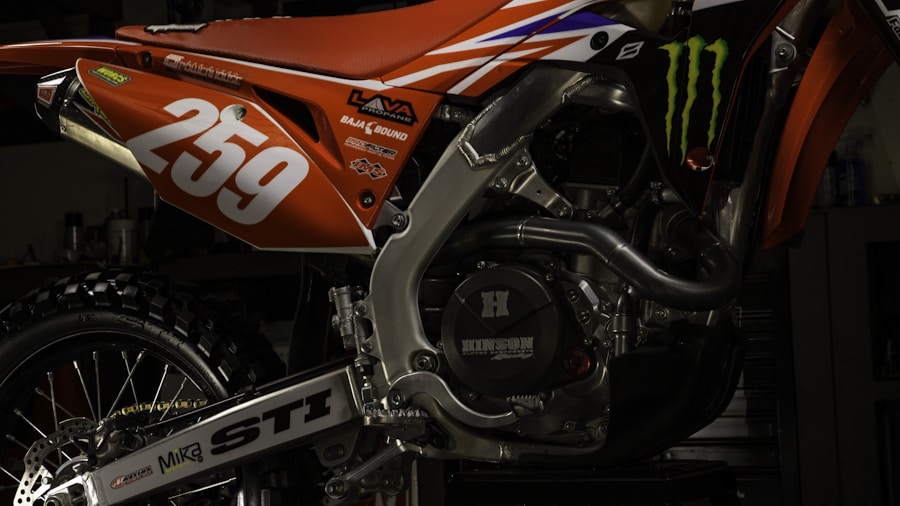
The custom powersports world continues to push boundaries in unexpected ways. Recently, builders have been tackling an ambitious project: constructing a functional go-kart using components from two complete dirt bikes rather than relying on traditional single-engine swaps. This trend raises important questions for enthusiasts considering their own builds and what materials are truly necessary for off-road performance.
Understanding the Dual-Dirt-Bike Go-Kart Concept
Creating a go-kart from two dirt bikes represents a significant departure from conventional engine swap projects. Instead of extracting a single engine and transplanting it into a different frame, this approach incorporates both bikes as integrated units. The key innovation involves linking the steering mechanisms of both machines while keeping throttle control independent, essentially creating a specialized configuration that borrows from the motorcycle chariot concept.
For potential builders, this means understanding that success depends heavily on mechanical knowledge accumulated through previous projects. Most enthusiasts who attempt this level of fabrication have years of experience troubleshooting and learning from failed attempts. They possess the workshop equipment, technical skills, and most importantly, the willingness to accept that prototypes rarely work perfectly on the first try.
Why This Matters for Dirt Bike Shoppers
If you’re considering purchasing dirt bikes for any purpose, recognizing the versatility of these machines becomes increasingly important. Modern dirt bikes are engineered with modular designs that allow creative repurposing beyond their original off-road racing intent. Understanding component compatibility, frame geometry, and drivetrain specifications helps you make more informed purchasing decisions, whether you’re buying for standard riding or potential future projects.
When selecting dirt bike tires and other components, enthusiasts now consider not just immediate performance but also the adaptability of parts for custom applications. This expanded view of what a dirt bike can become influences specification preferences and budget allocation across different models and price points.
The Learning Process Behind Complex Builds
Any truly innovative fabrication project requires hands-on engagement with every stage of development. Builders cannot simply delegate tasks to automated systems or follow established blueprints because no official blueprints exist for these unconventional creations. The problem-solving approach demands personal involvement, physical labor, and the ability to laugh off setbacks while developing creative solutions.
This philosophy mirrors traditional craftsmanship across industries. Just as understanding a process from the ground up leads to better decisions about how to modify it, working directly with dirt bike components teaches builders about suspension geometry, weight distribution, steering dynamics, and power delivery in ways that purely theoretical knowledge cannot provide.
What This Means for Future Modifications
The emergence of increasingly ambitious custom builds signals something important about the dirt bike market: these machines are becoming viewed as flexible platforms rather than fixed-purpose vehicles. This shift encourages manufacturers to maintain component standardization and focus on build quality, knowing that their products may eventually serve applications far beyond typical trail riding.
For buyers interested in motorcycle lifts and shop equipment, the expansion of the custom builder community means greater demand for quality tools and workspace solutions. If you’re thinking about your own future modifications or helping friends with their projects, investing in proper lifting and support equipment becomes increasingly valuable.
Practical Takeaways for Shoppers
Several lessons emerge for anyone purchasing dirt bikes with an eye toward customization. First, prioritize bikes with solid reputations for part availability and community documentation. Second, research frame design and component mounting points, as these details significantly impact modification feasibility. Third, connect with local builder communities to understand what models work well in custom applications.
Finally, recognize that attempting complex fabrication without prior experience sets you up for frustration and expensive mistakes. The successful projects you see online represent the accumulated knowledge of many previous attempts. Start with simpler modifications, learn your machines thoroughly, and gradually increase project complexity as your skills and confidence grow.
The dirt bike go-kart trend demonstrates that these machines remain as relevant to the creative builder community as they are to traditional off-road riders. Understanding this broader context helps you make smarter purchasing decisions and appreciate the engineering flexibility of modern designs.


Write Your Review
No reviews yet. Be the first to share your experience!