

The Internet Myth and the Reality of Reflective Coatings
A viral claim has circulated online: spray Rust-Oleum Reflective paint on your license plate and it will outsmart traffic cameras. The appeal is understandable. Flock cameras and toll readers are becoming ubiquitous, and concerns about surveillance privacy drive people to seek solutions. But the hard truth is that this approach fails on every level, legally, technically, and practically.
Rust-Oleum Specialty Reflective spray is a legitimate product designed for mailboxes, trash cans, gates, and other objects that need to catch light and become visible at night or in low-visibility conditions. The 10-ounce aerosol creates a semi-transparent, reflective finish by bouncing light back toward its source. However, applying it to license plates violates both the product’s intended use and state laws across the country.
Why the Paint Doesn’t Work
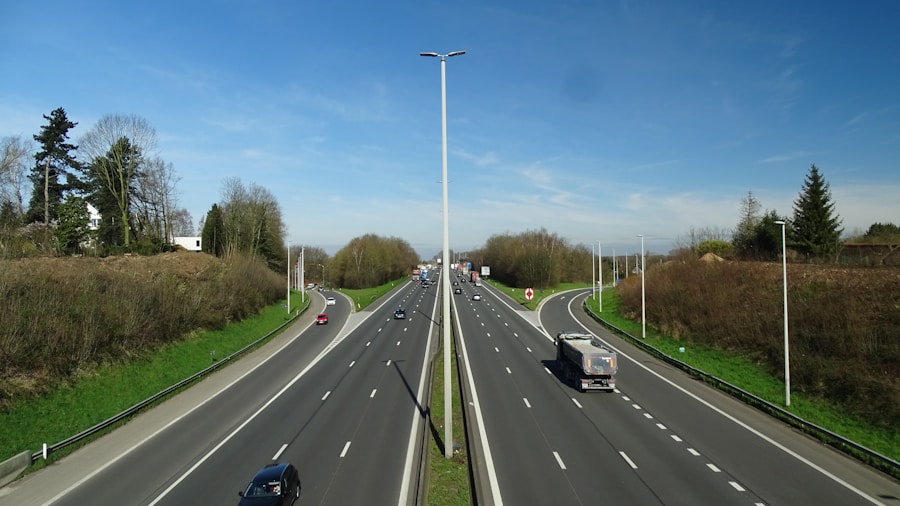
The technical failure is simple but important to understand. Flock cameras use infrared light technology to capture license plate images from distances up to 75 feet, regardless of weather or lighting conditions. A reflective coating bounces visible light back to the source, but it cannot prevent infrared sensors from reading the characters on a plate. Making a surface shinier does not make it invisible to imaging technology.
Flock’s capabilities extend far beyond plate recognition. Each camera unit monitors approximately 1.5 lanes of traffic and can classify vehicles by color, make, and model from 75 feet away, even at highway speeds of 100 mph. The system can create vehicle records even when a car displays a temporary paper plate or no plate at all. A reflective coating on a plate would not stop this data collection.
Toll roads present a separate problem. All-electronic toll collection systems rely on transponders, cameras, or both. If your transponder fails, toll operators photograph the plate, cross-reference the registration, and charge your account or identify you as the registered owner. Some systems route images to humans for manual review. Reflective paint offers no protection against this process.
The Legal Consequences Are Real
State laws govern how license plates must be displayed, and the regulations are tightening. New York’s 2024 legislation explicitly prohibits applying substances to alter a plate’s appearance in photographs, as well as placing objects on the plate that conceal identifying information. Florida law requires plates to be clear, distinct, and legible from 100 feet away, and prohibits placing anything on the plate surface without state or government authorization. A violation in Florida is classified as a noncriminal traffic infraction, but it still creates a legal record.
The irony is harsh: you would face documented legal trouble for applying a coating that simply will not work. State enforcement officers and toll operators can easily observe and cite unauthorized coatings. The infrastructure these agencies operate is far more advanced than the simple countermeasures people attempt.
What You Should Do Instead
The straightforward answer is the correct one: maintain your license plate in its original, unmodified condition. Keep it clean and visible. Ensure it is mounted securely and not obscured by dirt, snow, or damage. If you are genuinely concerned about privacy and surveillance technology, your energy is better spent on broader advocacy and political engagement around surveillance policy, not on ineffective spray-paint hacks.
For the car care aspect, proper plate maintenance does involve protection. Using high-quality paint sealants on your vehicle’s overall finish keeps the paint protected from rust and environmental damage, which indirectly protects the structural integrity of your plate mount and surround. A well-maintained vehicle exterior also ensures your registration and inspection documentation remain valid and your plate remains properly visible.
If rust is developing around your plate frame or mounting bolts, address it immediately with metal polish and protective coatings rather than adding layers of reflective paint. Clean metal and proper drainage prevent corrosion that could eventually compromise the plate.
The Bottom Line for Consumers
Rust-Oleum Reflective paint is an excellent product for its actual purpose: making objects visible when light reflects off them. It is not a camera-defeating solution, and using it on a license plate creates legal liability without any functional benefit. Modern traffic enforcement and toll collection technology is designed to capture vehicle information in multiple ways simultaneously. Reflective coatings, optical obstruction, and similar tactics do not work against infrared sensors, transponders, and vehicle classification systems.
Save your time and money. Keep your plate clean, visible, and unmodified. This approach complies with state law, respects the legitimate functions of law enforcement infrastructure, and keeps you free from citations and fines. That is the only strategy that actually works.











Write Your Review
No reviews yet. Be the first to share your experience!