

When your car starts making unusual noises from underneath, pinpointing the exact cause can feel overwhelming. Is it the tires, the brakes, the suspension, or something else entirely? One component that often gets blamed unfairly is the wheel bearing, a critical part that keeps your wheels turning smoothly. Understanding how to properly diagnose wheel bearing problems is crucial for getting the right repair the first time, and avoiding unnecessary expenses.
Why Diagnosis Matters for Your Wallet
Misdiagnosing a bad wheel bearing can cost you hundreds of dollars in wasted repairs. When a shop jumps to conclusions without thorough testing, you might end up replacing a perfectly good bearing when the real culprit is a worn tire, an imbalanced wheel, or a failing CV joint. Each of these components can produce similar rumbling, grinding, or squeaking sounds that confuse even experienced ears. Proper diagnostic procedures separate genuine bearing failures from false alarms, ensuring you only pay for repairs you actually need.
A comprehensive diagnosis starts with listening carefully to your description of the noise. When did it start? Does it get louder when turning or accelerating? Does it change pitch at different speeds? These details give technicians their first clues. From there, trained professionals will perform a test drive, feeling and hearing exactly how your vehicle behaves under real driving conditions.
The Inspection Process Explained
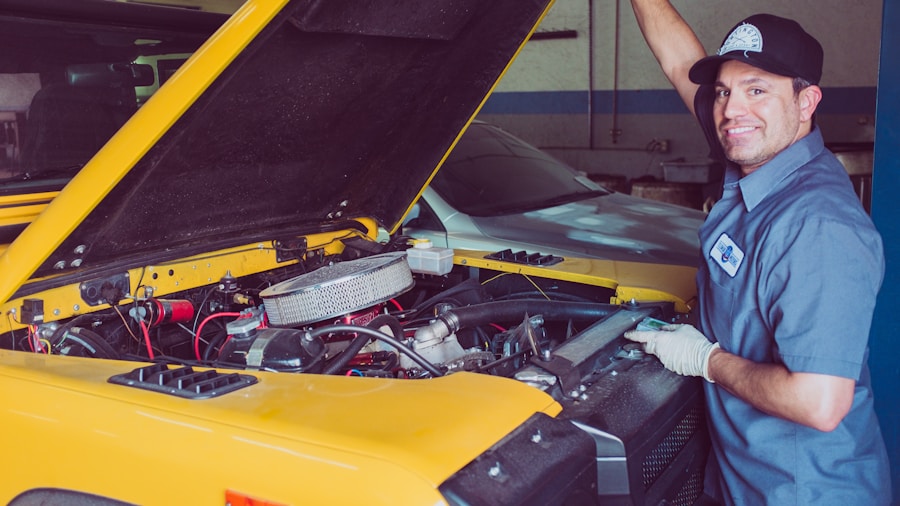
Once the technician understands your complaint, a thorough visual inspection comes next. This involves checking tire wear patterns to identify balance issues, inspecting brake components for wear that could cause noise, and examining CV joints for damage or excessive play. The bearing itself gets checked by spinning the wheel and feeling for resistance or grinding sensations. This hands on approach, combined with modern diagnostic tools, narrows down the possibilities quickly.
Wheel speed sensors also play a role in modern diagnostics. Before assuming a bearing is faulty, technicians test the sensor circuit itself. A faulty wheel speed sensor can trigger codes that mislead a quick diagnosis, wasting time and money. Testing the circuit first ensures the actual bearing is the problem before any replacement happens. This careful approach protects both your safety and your budget.
Why Quality Parts Matter for Long Term Reliability
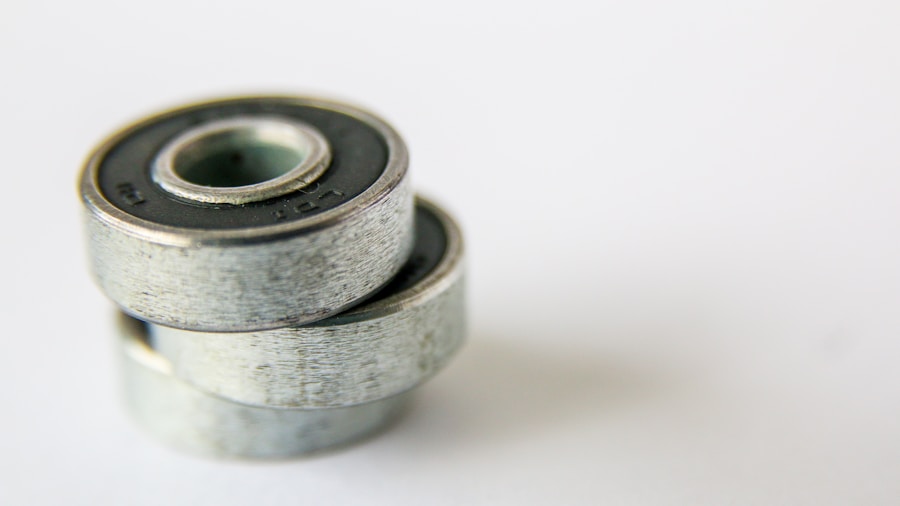
When a wheel bearing truly does need replacement, the quality of the replacement part determines how long your repair lasts. Trusted manufacturers invest in precision engineering and rigorous testing to ensure their bearings meet or exceed original equipment standards. Choosing a quality bearing, supported by proper installation and diagnosis, means your wheels will spin true for years to come. The best wheel bearings of 2026 are designed with modern vehicle demands in mind, offering durability that protects your investment in your car.
The aftermarket has expanded significantly in recent years, with manufacturers introducing new bearing designs and hub assemblies that improve upon earlier versions. These advances address common wear patterns and vehicle design changes, ensuring better performance and longevity. When your shop recommends a specific bearing brand, ask why they chose it. A shop that stands behind quality parts and proper diagnosis gives you confidence in the repair.
Finding a Shop You Can Trust
Not all repair shops approach diagnostics with the same level of care. Look for shops that take time to interview you about your vehicle’s symptoms, perform a thorough test drive, and conduct a detailed visual inspection before recommending parts replacement. Shops that rush to diagnosis or automatically replace components without testing are cutting corners that cost you money and may compromise safety.
Your shop should explain their findings in plain language, showing you worn components or test results that confirm their diagnosis. They should also discuss why they recommend specific parts and what warranty covers the repair. This transparency builds trust and ensures you understand exactly what your vehicle needs and why.
A wheel bearing diagnosis done right protects you from unnecessary spending while ensuring your vehicle stays safe on the road. By understanding what proper diagnosis looks like, you can ask better questions of your repair shop and make confident decisions about your vehicle’s maintenance. When you choose a shop that values thorough diagnosis and quality parts, you choose reliability and peace of mind.







Write Your Review
No reviews yet. Be the first to share your experience!