

When truck manufacturers fit 31-inch tires on compact pickup trucks, they are making a bold statement about off-road capability. The 1994 Chevrolet S-10 ZR2 is a case study in how serious engineering goes into supporting oversized tires, and what that means for buyers considering similar upgrades.
Why Size Matters for Off-Road Tires
Off-road enthusiasts have long understood that tire diameter directly affects performance on unpaved surfaces. A 31-inch, 10.5-inch-wide light-truck all-terrain tire is about 1.5 inches larger in diameter than the typical tires found on most mid-sized pickups and sport-utility vehicles. This size difference delivers real benefits: greater flotation on soft ground, thicker sidewalls that resist punctures better, and increased ground clearance from the larger diameter.
However, buyers should understand the tradeoffs. Larger tires create higher rolling resistance, which reduces fuel economy and adds substantial weight to the vehicle. Each oversized tire can weigh a dozen pounds more than standard equipment, and that unsprung mass challenges suspension components designed for lighter tires.
The Hidden Engineering Costs
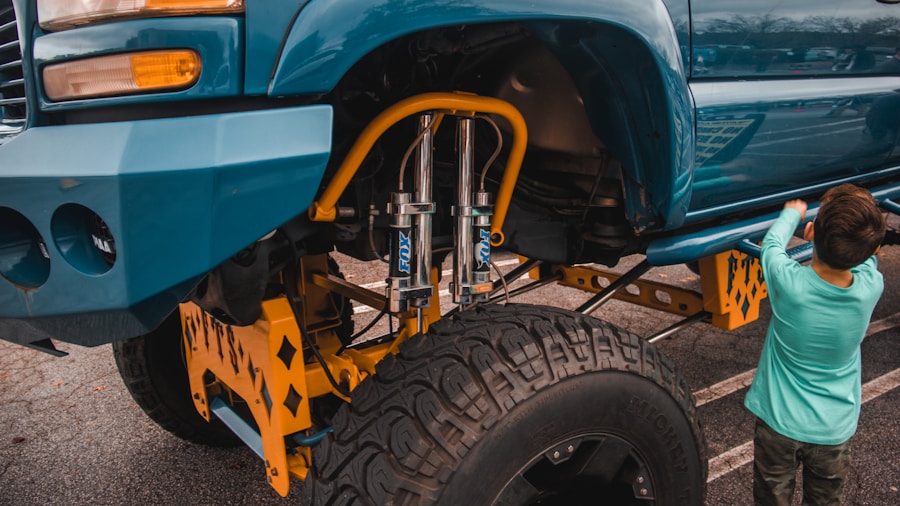
Making large tires work properly on a truck platform requires far more than simply bolting them on. Automakers spend significant resources redesigning suspension and chassis components to handle the weight and geometry changes. The engineering effort includes raising the vehicle to maintain wheel travel and suspension geometry, upgrading shock absorbers to nearly double their standard diameter, and adding wider fender flares to prevent mud splash.
These modifications improve ride quality and handling dramatically. A truck equipped with properly engineered large tires rides quieter and more predictably on highways than competitors that simply add big tires without suspension redesign. The steering remains responsive and connected, rather than feeling vague and disconnected.
Performance Tradeoffs on Pavement
Larger tires always create compromises on paved roads. They generate more noise and negatively affect handling characteristics compared to standard tires. A truck riding on 31-by-10.5 tires will never feel as refined as the same model with conventional tires, even with premium engineering. Drivers choosing this path must accept a harsher, louder highway experience in exchange for off-road capability.
The tire sidewalls can also present a fitment challenge. On some vehicles, 31-inch tires simply will not fit within the fender wells without modification, which further drives up the total cost of upgrading. Before committing to larger tires, buyers should verify fitment with manufacturers and check whether their vehicle’s suspension can manage the weight penalty. When looking at newer platforms like modern electric trucks, tire fitment becomes even more critical since battery weight adds unsprung mass considerations.
The Fuel Economy Question
Larger tires negatively impact fuel economy through increased rolling resistance. A vehicle equipped with 31-inch tires will consume more fuel than the same model with standard equipment. The EPA rating difference might seem modest on paper, but across hundreds of miles of driving, the cumulative cost adds up. Buyers must decide whether off-road capability justifies higher fuel expenses.
Why Manufacturers Offer This Option

Interestingly, not all buyers who order large tire packages actually venture off-road. Manufacturers recognize that the tire package serves an additional purpose: brand image. A distinctive off-road package with prominent large tires signals capability and adventure, even to buyers who spend most of their driving time on paved surfaces. The competition matters too, as rivals offer similar tire options on their compact pickup lines, making these upgrades almost essential for manufacturers maintaining their performance-oriented image.
Spreading this engineering investment across multiple vehicle platforms, including extended-cab versions and related sport-utility models, helps justify the substantial development costs.
Practical Considerations for Buyers
Before upgrading to larger tires, buyers should consider their actual driving patterns. If off-road use is limited or seasonal, the permanent penalties in fuel economy, tire noise, and ride quality may outweigh the benefits. Buyers who frequently tackle challenging terrain, however, will find the engineering investment worthwhile.
Maintaining larger tires requires attention to pressure and wear patterns, as the heavier construction and increased footprint demand more careful monitoring than standard tires.
The decision to upgrade to larger tires ultimately depends on balancing off-road capability against highway performance, fuel efficiency, and total cost of ownership. Understanding what engineering goes into supporting these upgrades helps shoppers make informed decisions aligned with their actual vehicle use.









Write Your Review
No reviews yet. Be the first to share your experience!