

Bombardier Recreational Products (BRP), the parent company behind the Can-Am brand, has filed multiple patents for what appears to be a full-size electric automobile, marking a significant pivot from the company’s traditional off-road vehicle lineup. The latest filings reveal substantially more detail than earlier versions, prompting industry observers to reassess whether this could represent a genuine new direction for the powersports manufacturer.
Can-Am currently builds a diverse range of recreational vehicles, from high-performance jet skis to turbocharged snowmobiles and 240-horsepower utility terrain vehicles. The company also recently expanded into electric powertrains with an EV ATV and a pair of electric motorcycles. However, a traditional on-road automobile has never been part of the Can-Am portfolio, making these patent filings particularly intriguing.
What the Patents Actually Show
The newly discovered patent applications contain far more comprehensive technical specifications than the original filing. Most critically, the field of technology section explicitly references electric automobiles rather than using BRP’s typical off-road vehicle terminology. This distinction matters because it suggests the company is envisioning a road-legal vehicle rather than another all-terrain machine.
The design shows what appears to be a skateboard-style battery electric vehicle, where the battery pack integrates into the floor structure much like modern Tesla models and other contemporary EVs. The body then sits atop this platform. The latest patent iterations include detailed interior layouts featuring a conventional dashboard, heating and ventilation systems, a steering wheel, and seating arrangements more aligned with automotive standards.
The Confusing Design Elements
Here is where analysis becomes more complicated. Several design features suggest the vehicle might not be a pure passenger car. The doors appear to use an unusual forward-pivot system and crash structure that would not meet standard road safety regulations. The seat design shows similarities to Can-Am’s existing Maverick and Sport series UTVs, though with added comfort padding. The rear cargo area bears resemblance to components from the company’s HD11 Defender off-road model.
These details could indicate two possibilities: BRP is either cleverly disguising an electric UTV by using automotive patent terminology, or the company is actually developing some kind of mid-ground vehicle that combines automobile and off-road elements. Think of it as a potential electric Jeep competitor with recreational capability.
What This Means for Consumers
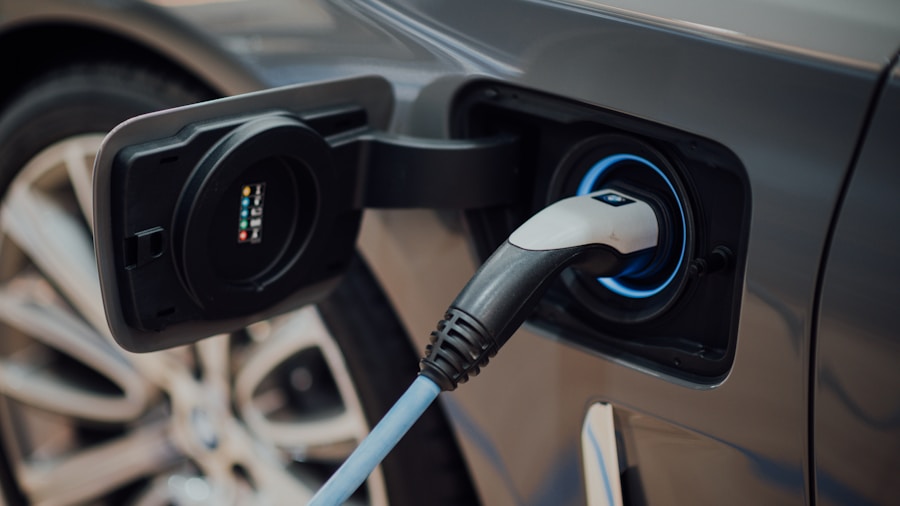
If BRP actually brings an electric vehicle to market, it would represent an unprecedented expansion for Can-Am. The company has already demonstrated commitment to electric power through its EV motorcycle and ATV offerings. An electric automobile would represent the logical next step in this electrification strategy, though it would place the brand in direct competition with mainstream automakers and specialty EV producers.
For recreational vehicle enthusiasts, this signals the entire industry is moving toward electric power across multiple vehicle categories. Other manufacturers are similarly exploring electric options to meet changing consumer preferences and environmental regulations.
The timing of these patents also matters. Patent filings typically occur well before actual product launches, suggesting that if this is indeed a real production vehicle, consumers might not see it on dealer lots for several years. Patent protection covers a considerable timeframe, allowing manufacturers to develop and refine products before announcing them publicly.
Current Status and Uncertainty
It’s important to note that patents do not guarantee production. Many companies file patents for concepts that never reach consumers. BRP’s previous exploration into innovative vehicle categories shows the brand values forward-thinking design, but this doesn’t mean every patent becomes reality.
The lack of any official announcement from BRP or Can-Am adds to the mystery. No company representatives have commented on these filings, and the patents themselves provide no production timeline or additional context about the project’s status.
Consumer buyers should monitor official Can-Am channels and authorized dealer communications for any announcements. If BRP does decide to produce this electric vehicle, it could dramatically change the competitive landscape in both the recreational and automotive sectors. For now, the patents remain intriguing hints of what might be coming, rather than confirmation of an imminent product launch.



Write Your Review
No reviews yet. Be the first to share your experience!