

Ducati Files Patent for Compact Electric Motorcycle Architecture
Ducati has filed a patent for a proposed electric motorcycle design that could fundamentally change how the iconic Italian manufacturer approaches the growing EV market. The patent describes an electric motor capable of spinning to 18,500 RPM, paired with a compact gear reduction system designed to keep the overall drivetrain as narrow as possible. While patents do not guarantee future products, this filing signals that Ducati is actively engineering solutions to build electric motorcycles that maintain the company’s signature handling and performance characteristics.
The filing comes after Ducati’s success with the V21L, a purpose-built electric race bike developed for MotoE competition. That machine has served as a rolling laboratory for battery technology, motor cooling, electronics, and chassis design. The patent suggests Ducati is now translating lessons learned on the track into practical designs for street-legal electric motorcycles that could reach showrooms within the next few years.
Compact Design Solves a Major EV Motorcycle Challenge
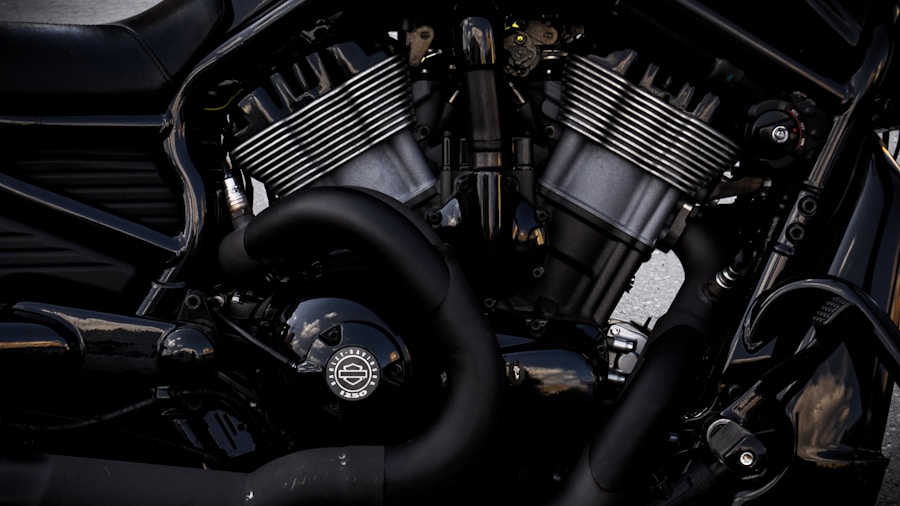
One of the most significant obstacles facing electric motorcycle manufacturers is packaging. Unlike traditional gas-powered bikes, electric motorcycles must accommodate large battery packs, cooling systems, inverters, and other electronics without becoming unwieldy or cramped. Ducati’s patent addresses this by repositioning how the motor’s rotor-position sensor mounts relative to the motor shaft. By placing the sensor downstream on the reduction gear rather than directly on the motor shaft, engineers can keep the entire drivetrain narrower. The gear arrangement itself uses multiple parallel planes, further minimizing width without compromising functionality.
This engineering approach matters regardless of which motorcycle model receives the electric drivetrain. Whether Ducati eventually builds an electric superbike, adventure bike, or commuter, a narrower package allows designers to build the motorcycle around the rider instead of forcing riders to accommodate the powertrain. The result should be more natural ergonomics and better handling dynamics compared to early-generation electric motorcycles.
Multiple Possibilities for the First Production Model
The obvious assumption is that Ducati’s first electric street motorcycle would be an electric Panigale, mirroring the high-performance superbike legacy. However, the compact motor architecture opens doors to more varied possibilities. An electric Hypermotard with instant electric torque, light weight, and aggressive styling could appeal to riders seeking playful, corner-carving performance. Alternatively, an electric Scrambler positioned as an affordable, stylish commuter with genuine weekend ride capability might reach a broader audience than an exotic superbike.
The market for mainstream electric motorcycles continues expanding, and the motorcycle market has stabilized at historic highs as consumers embrace new technologies. A reasonably priced electric model that balances style, performance, and practicality could become Ducati’s breakthrough in the mass market for electric motorcycles.
What the 18500 RPM Motor Means for Performance
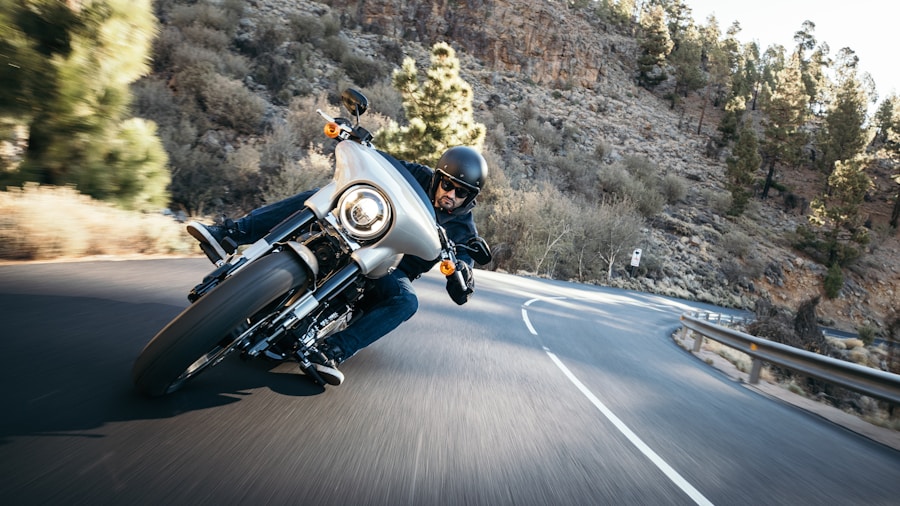
The high RPM specification reveals Ducati’s engineering philosophy. Electric motors naturally operate efficiently at much higher revolutions than gasoline engines. By allowing the motor to spin to 18,500 RPM and using a gear reduction system to multiply torque before it reaches the rear wheel, Ducati can keep the motor compact and lightweight while still delivering strong acceleration. The single-speed reduction drive means no manual gear selection, simplifying both manufacturing and rider experience.
This approach differs from some competing electric motorcycle designs and suggests Ducati prioritizes weight distribution and chassis packaging over drivetrain complexity. The instant torque delivery inherent to electric motors combined with a narrow, lightweight drivetrain could produce handling characteristics that rival or exceed Ducati’s celebrated gas-powered bikes.
Timeline and Reality Check for Buyers
Prospective buyers should understand that patent filings represent engineering exploration, not product announcements. Ducati has not confirmed when or if any of these designs will reach production. However, the Italian government has invested significantly in Ducati’s research and development initiatives, supporting both innovation and domestic manufacturing. This backing suggests the company has resources to move promising concepts toward reality.
If adventure bike innovations from other manufacturers provide any indication, electric motorcycle development cycles typically span three to five years from patent to production. Ducati enthusiasts interested in an electric motorcycle should monitor official announcements rather than relying solely on patent filings, but this patent demonstrates serious technical progress toward that eventual goal.
For now, the 18,500 RPM motor and compact architecture represent Ducati’s commitment to building electric motorcycles that feel like motorcycles, not electric vehicles wearing motorcycle bodywork. Whether the result emerges as a high-performance flagship or an approachable middleweight, this patent confirms that Ducati intends to lead the electric motorcycle transition, not follow it.






Write Your Review
No reviews yet. Be the first to share your experience!