

Major Manufacturing Shifts Announced Across Two Leading RV Brands
Winnebago Industries, one of the largest recreational vehicle manufacturers in North America, has announced significant operational changes affecting its towable and motorhome production facilities. The company is consolidating manufacturing operations across multiple locations to improve efficiency, reduce costs, and better align production capacity with current market demand. These moves represent a strategic effort to strengthen the company’s long-term position in the competitive RV market.
What’s Changing and Where
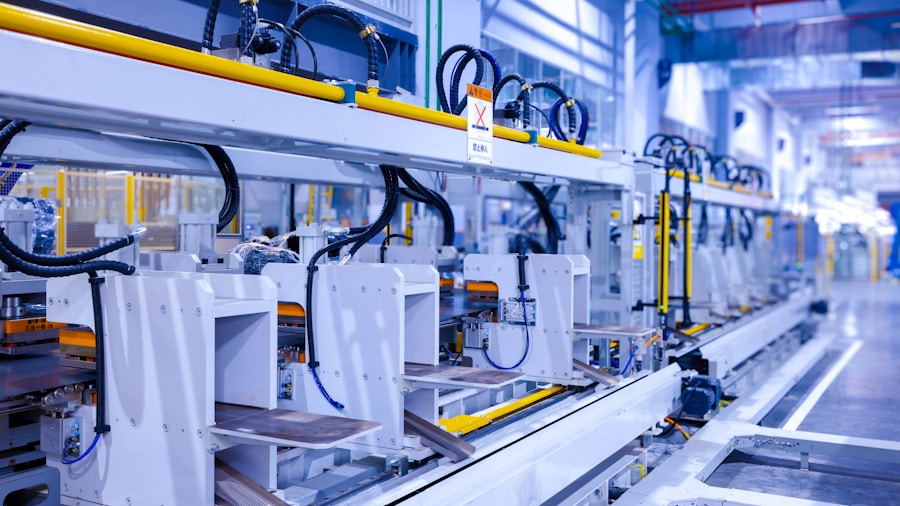
The restructuring plan involves three major facility transitions. First, Winnebago’s towable RV production will move from Middlebury, Indiana to the Grand Design RV manufacturing campus, also located in Middlebury. This relocation provides access to more modern manufacturing equipment and additional production capacity to support future growth initiatives. Second, the Grand Design RV brand will consolidate certain product lines within its existing manufacturing footprint to maximize operational efficiency. Third, the Winnebago motorhome division will transfer its B van product line from its Lake Mills, Iowa facility to its primary manufacturing hub in Forest City, Iowa, bringing multiple manufacturing functions under one roof.
Both the Middlebury towables campus and the Lake Mills motorhome facility will be closed and put up for sale at a later date. The company expects these transitions to occur over several months as operations gradually shift to their new locations.
What This Means for RV Buyers and Shoppers
If you’re in the market for a recreational vehicle, these manufacturing changes should not negatively impact your buying experience. Winnebago Industries has explicitly stated that no product lines will be discontinued as a result of these restructuring efforts. Both the Winnebago and Grand Design brands will continue operating as separate, independent businesses with their own leadership teams, product development divisions, sales operations, and dealer networks. Each brand will maintain its distinct identity and culture that buyers have come to recognize and value.
The company has assured customers and dealers that business operations will continue seamlessly throughout the transition period. Production is not expected to experience any disruptions, and ordering processes, dealer relationships, warranty support, and customer service will remain unchanged. For those considering an RV purchase, understanding key maintenance and setup aspects like proper sewer hose storage remains important regardless of manufacturing location changes.
Why Winnebago Industries Is Making These Moves
The underlying motivation for this restructuring centers on operational optimization and strategic resource allocation. By consolidating manufacturing operations in fewer locations, the company can reduce overhead costs, improve coordination between teams, and eliminate redundant processes. Collocating the B van production with other Winnebago motorhome manufacturing in Forest City strengthens the company’s ability to coordinate production schedules, share skilled labor, and maintain consistent quality standards.
Similarly, moving towable production to the Grand Design campus provides access to more advanced manufacturing technology and available production capacity. This arrangement allows both brands to leverage shared manufacturing infrastructure while maintaining their independent operations and brand identities. The company emphasized that one advantage of being part of a larger parent organization is the ability to optimize resources across the portfolio while preserving what makes each brand distinctive.
Potential Benefits for Customers Long Term

While these changes involve facility closures and production relocations, they’re positioned as strategic improvements that should benefit consumers over time. More efficient manufacturing can lead to better-controlled production costs, potentially affecting future pricing. Consolidating operations in modern facilities with greater capacity may also reduce production bottlenecks that have historically affected the RV industry. Leading dealers continue to expand their networks and offerings, suggesting confidence in the manufacturer’s strategic direction.
Improved coordination and shared expertise across manufacturing locations could also translate to enhanced product quality and innovation. When production teams are located together, they can more easily collaborate on design improvements, troubleshoot issues, and implement best practices. This increased operational synergy may result in better RVs for consumers without compromising the unique characteristics that differentiate Winnebago towables and Grand Design in the marketplace.
What Buyers Should Do Now
If you’re shopping for a Winnebago or Grand Design RV, these manufacturing changes shouldn’t alter your decision-making process. Continue working with authorized dealers to explore models, compare features, and discuss pricing. Ask dealers about current inventory and production timelines, as these transitions may affect delivery schedules in the coming months. Ensure you understand warranty coverage, financing options, and post-purchase support before signing any agreements. Whether you’re preparing for your first RV experience or upgrading to a new model, staying informed about industry developments and campground innovations will help you make confident purchasing decisions.
The company’s commitment to maintaining customer service, dealer relationships, and product quality during this transition period should provide peace of mind for both current and prospective buyers. Monitor official communications from Winnebago Industries and your authorized dealer for any updates regarding production schedules or delivery timeframes.






Write Your Review
No reviews yet. Be the first to share your experience!