

The Global Supercharger Revolution Is Redefining the Fuel Stop
The traditional gas station is undergoing the most dramatic transformation in over a century. Across Europe, legacy petroleum retailers are dismantling fuel pumps and replacing them with powerful fast-charging infrastructure designed to serve the rapidly growing electric vehicle market. This shift has profound implications for EV shoppers, charging accessibility, and what to expect when traveling across international borders.
Major Investment in Supercharger Hardware and Compatibility
Energy corporations are making billion-dollar commitments to build charging networks that can accommodate the diverse technical standards used by different vehicle manufacturers. BP Pulse invested approximately 100 million dollars in Tesla Supercharger hardware and specialized adapters that enable both North American and European charging standards to coexist at the same locations. Meanwhile, Ford integrated 15,000 Tesla charging points into its proprietary network, expanding its total charging footprint to over 106,000 locations worldwide.
For American buyers considering international travel or those tracking supercharger expansion trends, this hardware standardization matters significantly. The best CCS charging adapters for public networks are becoming essential travel accessories as infrastructure operators work to eliminate fragmented, proprietary charging ecosystems that once frustrated drivers.
Norway Leads the Global Transition with Near-Complete EV Adoption
Norway represents the most advanced model of gas station conversion. Plug-in electric vehicles now account for more than 90 percent of all new passenger car sales in the country. In Oslo, a Circle K convenience store at Alexander Kiellands Plass made history by completely removing every petrol and diesel pump and installing high-power direct-current chargers instead. This location now serves as a functional prototype for charging hub design worldwide.
At major highway stations like Berger and Kongsbergsporten, Circle K systematically dismantled traditional fuel islands and installed modular satellite charging dispensers delivering up to 400 kilowatts of power. The physical space formerly reserved for hazardous liquid fuel storage has been converted into expanded seating areas, outdoor gathering spaces, and premium retail environments.
Norway’s success stems partly from its abundant clean energy. The national power grid draws approximately 98 percent of electricity from domestic hydropower, eliminating the need for complex carbon offset programs. Charging operators can focus entirely on dynamic load management and intelligent power-sharing systems that automatically balance electrical delivery across dozens of simultaneous vehicle charges.
The Dutch Solution: On-Site Storage and Renewable Partnerships
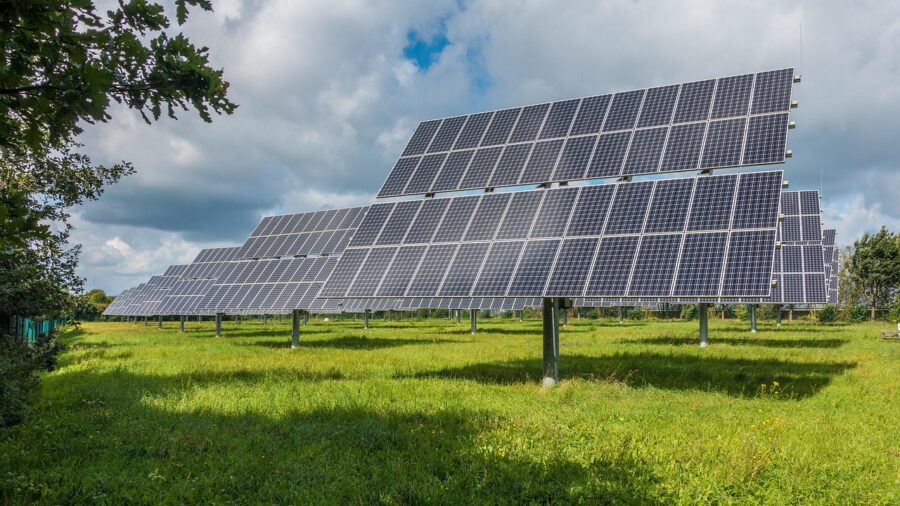
The Netherlands faces very different operating conditions than Norway. The country has one of the world’s highest densities of electric vehicles, but municipal power grids are severely congested. Fastned, a specialized fast-charging company, designed dedicated charging hubs from the ground up rather than converting existing fuel stations. The company secured competitive highway concessions with its signature timber arch canopies topped with solar panels.
To overcome local grid bottlenecks, Dutch operators integrated on-site battery energy storage systems that slowly draw power during low-demand periods and rapidly discharge during peak charging hours. Fastned also negotiates long-term power purchase agreements directly with regional wind and solar farms, guaranteeing that every kilowatt delivered to drivers comes from renewable sources.
Urban Charging Hubs Transform Inner-City Neighborhoods
In densely populated metropolitan areas where land is scarce, legacy oil companies are testing urban micro-conversion projects. Shell transformed a conventional gas station in London’s Fulham district into an electric vehicle charging hub sheltered by lightweight timber canopy structures equipped with integrated solar panels. The site operates exclusively on certified renewable electricity, with rooftop solar supplying a portion of daily operational energy needs.
Similar projects are proliferating across Paris, Brussels, and Amsterdam. These urban charging lounges replace the three-to-five minute fuel transaction model with 15-to-30 minute charging sessions. This extended dwell time has transformed the business model: the best CCS charging adapters for DC fast charging enable longer vehicle connection times, allowing station operators to focus profits on high-margin services like artisan coffee, fresh grocery sections, comfortable seating, and high-speed wireless internet rather than fuel sales alone.
Regulatory Mandates Accelerate Infrastructure Deployment

The European Union’s Alternative Fuels Infrastructure Regulation mandates fast-charging installations every 60 kilometers along major highways. This requirement also enforces standardized payment options, transparent pricing displays, and open-access systems, eliminating the frustrating fragmented mobile applications and proprietary walled gardens that previously complicated cross-border travel for EV drivers.
What This Means for American EV Shoppers
The European supercharger transformation demonstrates where the U.S. charging landscape is heading. As domestic charging networks expand and consolidate, American buyers should expect similar shifts: increased accessibility at traditional fuel retail locations, improved compatibility between charging networks, and enhanced amenities during charging sessions. The transition from quick fuel stops to extended-dwell charging destinations is reshaping both vehicle ownership experience and everyday community infrastructure worldwide.











Write Your Review
No reviews yet. Be the first to share your experience!