

The compact pickup truck market is heating up, and one unlikely question is gaining traction among automotive enthusiasts: could luxury automaker BMW’s Mini brand enter the space with its own tiny truck offering? Recent conversations around this possibility reveal something interesting about where the truck market is headed and what shoppers really want.
The Case for a Mini Pickup
The foundation for a Mini truck already exists in the current Mini Countryman lineup. The Countryman ALL4 S comes equipped with a turbocharged 2.0-liter four-cylinder engine producing 241 horsepower and 295 pound-feet of torque, which actually surpasses the power output of the popular Ford Maverick compact pickup. For buyers seeking a nimble, fun-to-drive option, these numbers suggest Mini has the mechanical ingredients ready.
Beyond raw power, the Countryman boasts surprising capability for its size. The gas-powered model can tow up to 3,500 pounds and carries approximately 1,100 pounds of payload capacity. These figures demonstrate that a Mini-badged truck could handle genuine work tasks while maintaining the brand’s signature blend of style and agility. The vehicle’s available all-wheel-drive system would add another layer of appeal for lifestyle-focused buyers who want adventure without sacrificing daily drivability.
The Packaging Challenge
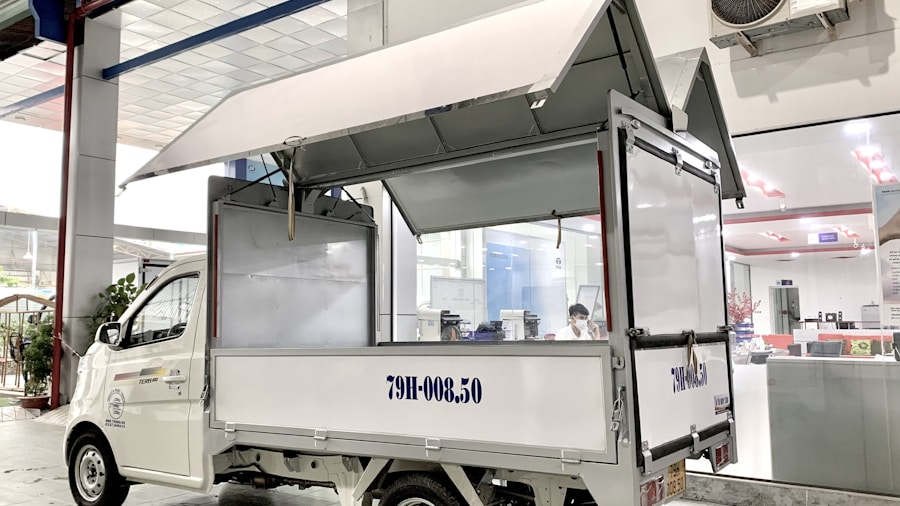
The biggest obstacle to a Mini truck isn’t engineering or capability, it’s space. The current Countryman has a wheelbase of roughly 106 inches. Keeping rear passenger seating while adding a traditional truck bed would result in a cargo area measuring around three feet or slightly more, which is extremely limited for hauling. This constraint forces a critical design question: would Mini build a true work truck, or something entirely different?
A production Mini truck would likely need significant structural reinforcement to handle increased payload demands beyond the current 1,100-pound rating. Suspension upgrades and a reinforced sub-frame would be necessary to maintain safety and durability standards. Alternatively, Mini could stretch the platform, though that approach seems unlikely given the brand’s identity.
A Lifestyle Truck, Not a Workhorse
Rather than competing head-to-head with compact trucks designed for contractors and tradespeople, Mini’s opportunity lies in creating what industry observers call a lifestyle truck. This would be a sub-compact pickup positioned for affluent buyers who want to haul recreational gear, camping equipment, or bicycles without the bulk and fuel consumption of a traditional truck.
This positioning would align perfectly with Mini’s brand heritage. Owners already purchase the Countryman for its combination of practicality and personality, not raw utilitarian capability. A compact pickup would extend that appeal to buyers who love the idea of truck ownership but don’t need 5,000-pound payload capacity. Comparisons to how the Ford Maverick disrupted the market, with real-world durability proving critical to buyer decisions, suggest that even unconventional trucks can find eager audiences.
The Reality Check
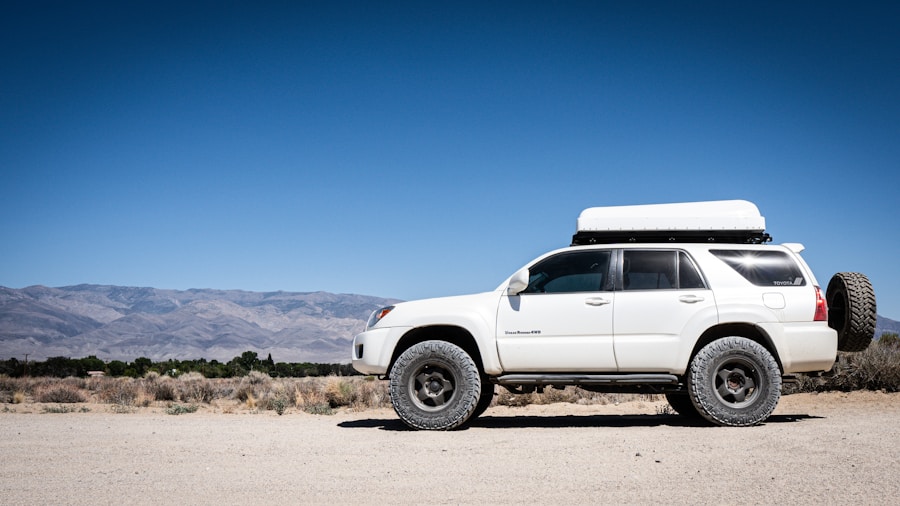
Despite strong enthusiast interest and theoretical viability, BMW and Mini have made no announcements about truck development. The brand has consistently focused on urban-oriented vehicles and crossovers rather than traditional truck segments. Developing a new truck platform would require substantial investment, and Mini’s parent company may view the risk as unnecessary when the Countryman and upcoming models are already selling.
That said, the conversation itself matters for shoppers. It reflects growing demand for smaller, more efficient trucks that work for everyday buyers rather than commercial operations. The success of compact trucks like the Maverick and the rising interest in niche truck segments pushing boundaries proves the market is expanding beyond traditional categories. If Mini did enter the space, it would likely accelerate this trend toward more diverse truck options.
What It Means for Shoppers Today
For buyers currently shopping pickup trucks, this discussion underscores an important reality: the segment is evolving rapidly. Automakers are reconsidering what a truck should be, who should buy it, and how it should function. Luxury brands exploring the truck market would only intensify competition and innovation, potentially offering shoppers more choices with different price points and purposes.
The ingredients are clearly in place for a Mini truck to exist. Whether Mini and BMW choose to build one remains uncertain. But the fact that it’s even being seriously considered shows how far the pickup truck market has come, and how much shoppers’ expectations have changed. As the market continues to mature, expect more unconventional entrants to challenge traditional definitions of what a truck should be. Even if a Mini truck never reaches showrooms, next-generation trucks from established players are reshaping what’s possible in the segment.








Write Your Review
No reviews yet. Be the first to share your experience!