

The Rise of Mazda’s Adventure-Ready SUV
The compact sport utility vehicle market in North America has grown dramatically over the past several years, with consumers increasingly drawn to rugged, versatile models that promise both everyday practicality and weekend adventure capability. Recognizing this shift in buyer preferences, Mazda introduced the CX-50 in 2021, launching production for the 2023 model year. The CX-50 has quickly become one of Mazda’s most successful offerings in the United States, and along with its hybrid variant, represents the company’s only domestically manufactured vehicle. Both models roll off the assembly line at Mazda Toyota Manufacturing USA in Alabama, a jointly operated facility that underscores the collaboration between these two automakers.
The CX-50 sits slightly larger than Mazda’s well-established CX-5, but the design philosophy differs significantly. While the CX-5 targets traditional SUV buyers, the CX-50 was engineered specifically for customers seeking an adventure-oriented experience. This positioning influenced every design decision, from the muscular, squared-off body lines to the protective cladding and aggressive stance. Even thoughtful details like the lower roofline make sense for this mission: easier roof rack access for those planning to haul camping gear, bikes, or kayaks. Standard all-wheel drive and elevated ground clearance come as standard equipment, signaling Mazda’s commitment to off-road credibility.
Engine and Performance Options for Every Driver
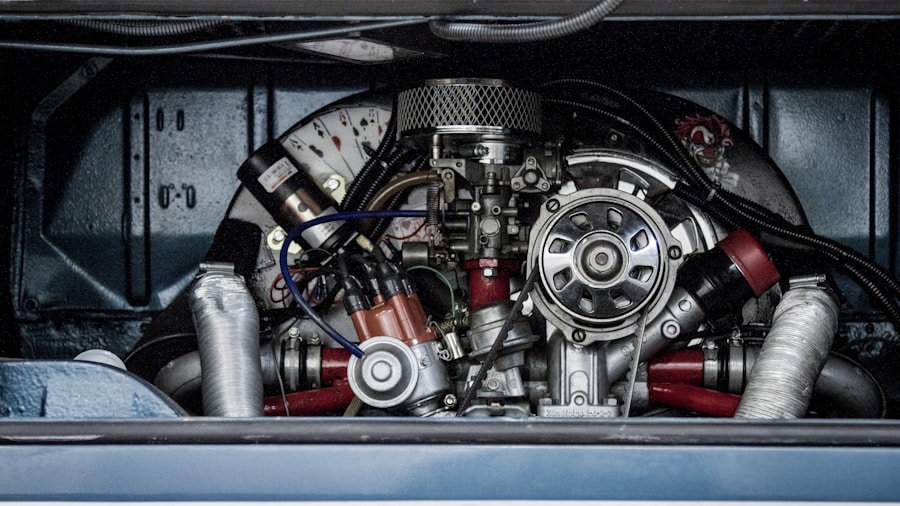
Since its debut, the CX-50 has offered multiple powertrain choices, each tailored to different buyer priorities. The base engine is a 2.5-liter naturally aspirated four-cylinder, badged as Skyactiv-G, that produces 187 horsepower and 185 pound-feet of torque. This configuration delivers respectable fuel economy at 24/30/26 mpg in city, highway, and combined ratings, though its towing capacity maxes out at 2,000 pounds.
For drivers prioritizing performance, a turbocharged 2.5-liter Skyactiv-G four-cylinder option delivers substantially more punch. When paired with premium 93-octane fuel, this engine generates 256 horsepower and 320 pound-feet of torque. On regular 87-octane gasoline, output dips slightly to 227 horsepower and 310 pound-feet. The trade-off comes in fuel economy, which measures 23/29/25 mpg. However, this engine’s 3,500-pound towing capacity more than doubles that of the base unit, making it far more practical for those regularly hauling trailers or heavy cargo. Both gasoline engines pair with a six-speed automatic transmission, Mazda’s i-Activ all-wheel drive system, and Mazda Intelligent Drive Select for customizable driving modes.
In 2024, Mazda introduced a hybrid powertrain for the 2025 model year, addressing growing consumer demand for fuel efficiency without sacrificing functionality. This new hybrid architecture uses a self-charging system that integrates a 2.5-liter naturally aspirated engine with a 1.59 kWh nickel-metal hydride battery and three electric motors. Two motors drive the front axle while one handles the rear, creating an intelligent all-wheel drive experience. Combined output reaches 219 horsepower and 176 pound-feet of torque.
The Hybrid Difference: What Owners Should Expect
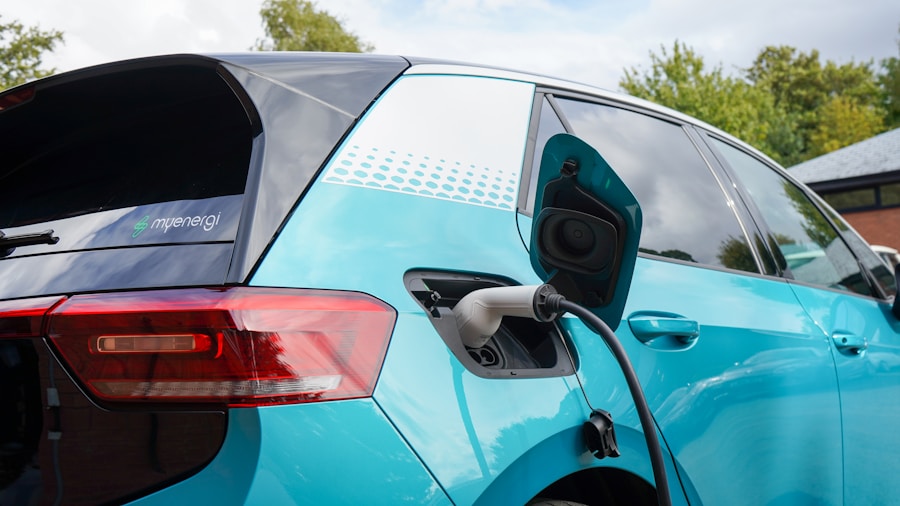
The CX-50 Hybrid employs Toyota’s proven hybrid technology, a partnership that brings real benefits. Unlike traditional hybrid transmissions with discrete gears, this system uses an electronically controlled continuously variable transmission for seamless acceleration. While the engine note differs from conventional Mazda vehicles, Mazda engineers have effectively insulated cabin noise, resulting in a quieter driving experience compared to some competing hybrid SUVs.
Where the hybrid truly excels is efficiency. The CX-50 Hybrid achieves an impressive 39/37/38 mpg across city, highway, and combined cycles. This makes it an excellent choice for commuters and frequent drivers seeking lower fuel costs. The trade-off involves towing capacity, which drops to 1,500 pounds due to the weight distribution of the hybrid system. The electric all-wheel drive system also operates differently than traditional mechanical AWD, though its real-world performance remains competitive for the intended market.
Which CX-50 Version Makes Sense for You
Choosing the right CX-50 depends entirely on your driving habits and priorities. The base naturally aspirated model suits budget-conscious buyers with modest performance expectations and no serious towing needs. The turbocharged engine appeals to those wanting spirited acceleration and the capability to tow boats or trailers regularly. Like the recent innovations in multi-purpose outdoor equipment, the CX-50 lineup reflects how automakers increasingly cater to adventure enthusiasts. The hybrid version targets eco-conscious shoppers willing to accept lower towing capacity in exchange for exceptional fuel economy and reduced environmental impact. All three engines deliver standard all-wheel drive and the same rugged styling that defines the CX-50 experience, ensuring buyers won’t sacrifice capability or aesthetics regardless of which powertrain they select.











Write Your Review
No reviews yet. Be the first to share your experience!