

Tesla Expands Vehicle-to-Load Capability to Mid-Tier Model Y
Tesla has quietly rolled out a power export feature to the Model Y Premium in the United States and Puerto Rico, marking another step in the company’s gradual adoption of vehicle-to-load technology. The feature allows owners to tap into their car’s battery to power household devices and appliances during outages or outdoor activities. However, the capability comes with a price tag and notable limitations that shoppers should understand before making a purchase decision.
How the New Feature Works

The vehicle-to-load system requires an optional adapter that costs eighty dollars. This adapter connects to the mobile charging cable that comes standard with every Model Y purchase. Once plugged into the car’s charging port, the adapter provides two 120-volt outlets that can deliver up to 20 amperes of power combined, capping the total output at 2.4 kilowatts.
The feature is now available across three Model Y variants: the recently expanded Premium tier, along with the previously released Performance and longer-wheelbase L versions. However, shoppers considering a Tesla should evaluate the full ownership experience, as battery longevity and feature reliability matter over time.
A Slow Rollout for Tesla’s Best Seller
Tesla’s approach to vehicle-to-load functionality has been notably behind schedule for the market leader in EV sales. The company first introduced V2L with the Cybertruck, followed several months later by adding it to the Model Y Performance. The Model Y L received the feature when it launched domestically just weeks ago. The addition of the Premium version now opens access to a broader segment of Model Y buyers, yet the rollout remains incomplete.
Critically, the entry-level Model Y and all variants of the Model 3 sedan still lack this capability, meaning many Tesla owners cannot access the feature at all. This selective availability creates a notable divide in the lineup.
How Tesla Compares to Competitors
The limitations of Tesla’s approach become clear when compared to other manufacturers. Hyundai has offered vehicle-to-load functionality on its Ioniq 5 since 2021, providing up to 3.6 kilowatts of power, a full 50 percent more than Tesla’s offering. More significantly, Hyundai includes the necessary adapter as a standard component with every purchase, rather than charging customers extra.
The difference extends beyond just power output. Many competitor EVs from traditional automakers feature built-in outlets accessible from inside the cabin, eliminating the need for external adapters or long extension cables. Tesla requires owners to run cables outside their vehicles to power appliances indoors, a considerably less convenient arrangement.
Practical Limitations and Real-World Use
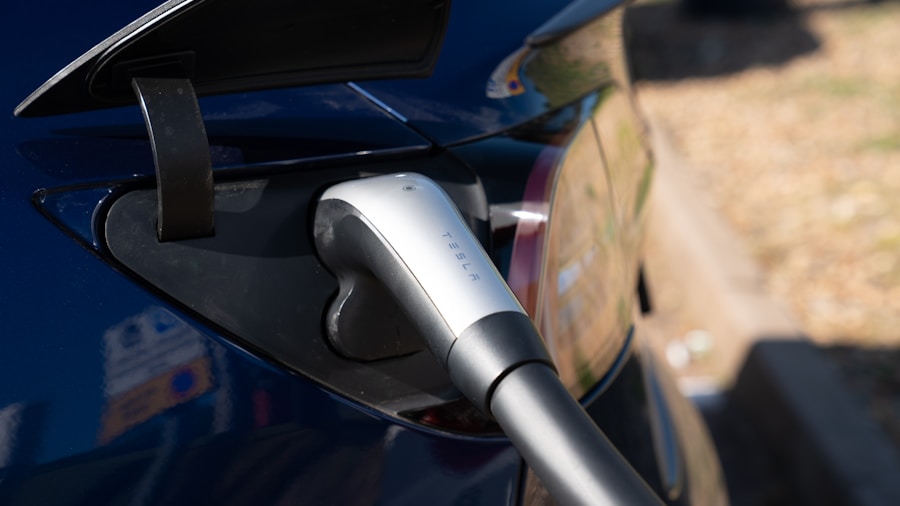
At 2.4 kilowatts, Tesla’s V2L system can power essential appliances but falls short for high-draw devices. Refrigerators, microwave ovens, and space heaters would quickly exceed this power ceiling. The system is genuinely useful for powering small electronics, charging devices, and running minimal loads during extended outages, but it is not a substitute for whole-home backup solutions.
Vehicle-to-home technology, which would allow direct power export to a house’s electrical panel, remains unavailable on Model Y vehicles. This means owners must manage power cables and outlets manually, which creates safety considerations and practical inconvenience. The broader EV infrastructure landscape continues to evolve in important ways that impact ownership decisions.
What This Means for Buyers
If you are shopping for a Model Y Premium and want access to power export capabilities, you now have that option by paying the eighty dollar fee. For most buyers, this is a convenient supplementary feature rather than a primary decision driver. The eighty dollar cost is relatively modest, making it worthwhile if you anticipate needing backup power for outdoor use or emergencies.
However, if advanced power management and broader feature access are priorities, competitors like Hyundai offer more generous implementations at no extra cost. Understanding charging adapter options also matters for your overall EV experience, since compatibility and convenience vary significantly across brands.
The Model Y Premium remains one of the most popular electric vehicles sold in America, and this feature addition makes it slightly more versatile. Yet the selective rollout, extra cost, and power limitations mean that buyers should view vehicle-to-load as a nice-to-have option rather than a game-changing capability. As EV technology matures, expect more automakers to include these features as standard inclusions with higher power outputs, putting additional pressure on Tesla to improve its own offerings.











Write Your Review
No reviews yet. Be the first to share your experience!