

Tesla’s Full Self-Driving system has officially arrived in Europe for the first time, rolling out in the Netherlands this month. While this milestone marks a significant expansion of the autonomous driving technology beyond North America, early real-world testing has revealed considerable gaps between Tesla’s system and competing solutions already in development across the continent.
What Happened in the Netherlands
Early adopters in the Netherlands, particularly around the Arnhem region, have begun testing FSD on both semi-urban streets and suburban roads. The rollout represents Tesla’s first European deployment of its full self-driving capability, opening the door to potential wider European adoption. However, initial performance reports suggest the system struggles with Europe’s unique driving environment and infrastructure.
Navigation and Lane Management Problems
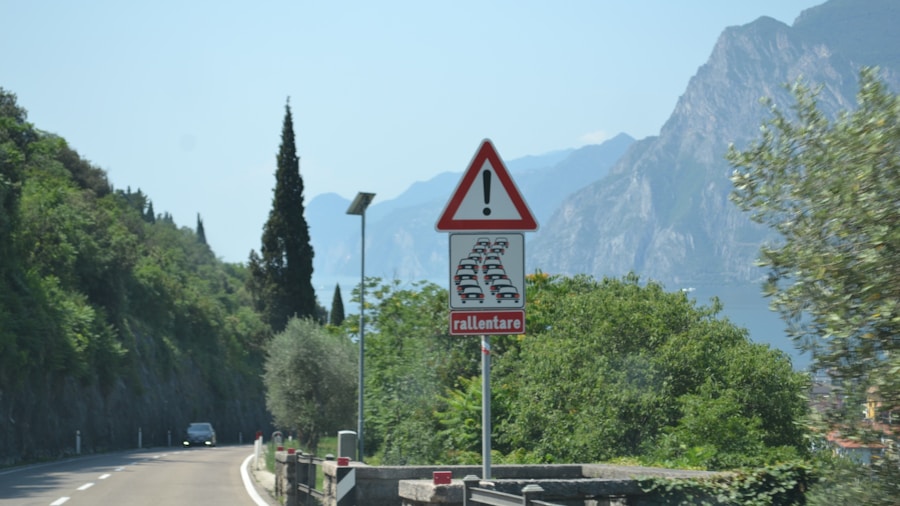
One of the most noticeable issues involves how FSD handles the Netherlands’ narrow roads without center lines. Dutch driving conventions require vehicles to slightly cross dotted side lines when passing oncoming traffic to ensure adequate clearance. Tesla’s system tends to favor staying left of these dotted lines, forcing oncoming vehicles dangerously close to the roadside. In one instance with a bus too wide to make the required adjustment, FSD did move over to avoid collision, but the result left drivers uncomfortable and other road users frustrated.
The steering inputs also showed less precision than expected, requiring frequent corrections rather than executing smooth, continuous movements. This jerky handling pattern raises concerns about how FSD will perform in dense European traffic where predictable, confident steering is essential for safety and cooperation with other drivers.
Speed and Traffic Signal Recognition Issues
FSD demonstrated inconsistent speed control throughout testing, frequently traveling at incorrect speeds regardless of posted limits. The Netherlands features a significantly higher density of traffic signals than most American cities, and FSD struggled to identify which lights applied to its lane. This confusion led to missed signal changes and resulted in inappropriate lane selections, with the system sometimes merging across multiple lanes at the last moment to execute turns.
Parking presented another challenge, with FSD selecting legally restricted spaces during the test drive. This pattern of misreading local regulations suggests the system requires extensive retraining before it can reliably navigate European cities where parking rules are strictly enforced.
Systemic Differences in Learning Approach
The core issue reveals a fundamental design difference between Tesla’s approach and competing systems. Tesla centralizes data collection, sending driving information to remote locations where human labelers process it. This model works adequately across the United States, where traffic rules remain relatively consistent nationwide. Competing European systems, by contrast, learn continuously from driver input and onboard processing, allowing faster adaptation to regional variations in both written rules and unwritten driving conventions.
Europe’s diverse traffic cultures present a challenge Tesla’s centralized model may struggle to overcome. Written traffic regulations change across borders, but so do unwritten behavioral norms that vary significantly between countries and even cities. European EV infrastructure continues expanding rapidly, making autonomous driving capability increasingly relevant for cross-border travel, yet FSD’s inflexible approach may limit its effectiveness in such scenarios.
Safety Concerns and System Crashes

During the second part of the testing sequence, FSD software crashed completely, locking the driver out of the system without clear explanation. While the system provided adequate warning for manual takeover and didn’t create immediate collision risk, such failures raise questions about reliability in real-world conditions. The crash occurred during normal driving conditions without extreme weather or unusual road obstacles, suggesting potential vulnerability in the software’s robustness.
What This Means for Shoppers
If you’re considering a Tesla vehicle in Europe or planning to use advanced driver assistance features across different countries, the current FSD capability has clear limitations. Battery performance and software capabilities both factor into long-term ownership value, and FSD remains a premium feature investment.
For American buyers, FSD performance in the US will likely remain more reliable, as the system’s centralized design aligns with American traffic uniformity. However, European consumers should approach FSD as a supplementary driver assistance tool rather than a true autonomous driving solution at this stage. Alternative systems currently in testing show more advanced capability for European road conditions.
Regulatory approval across the European Union remains uncertain despite Netherlands’ initial acceptance. Data privacy concerns and the system’s demonstrated performance gaps suggest widespread EU adoption may not occur quickly. As Tesla continues developing additional vehicle features, improvements to FSD’s European performance could follow, but current buyers shouldn’t expect rapid refinement in the near term.
The arrival of FSD in Europe signals progress toward autonomous driving adoption across the continent, yet early results demonstrate that technology leadership in one market doesn’t automatically translate to success in another. Buyers evaluating Tesla vehicles for European use should factor in the current limitations of FSD and plan accordingly.











Write Your Review
No reviews yet. Be the first to share your experience!