

The automotive aftermarket and tire industry is undergoing significant transitions that will shape how you shop for tires and vehicle maintenance services in the years ahead. Leadership changes at major organizations and manufacturers are creating new strategic directions that directly impact consumer options, pricing, and service availability across the United States.
Leadership Transition at Auto Care Association
The Auto Care Association, a major voice for the automotive parts and service industry, announced that Bill Hanvey will step down as president and CEO on June 30, 2027. Hanvey has led the organization for 11 years and spent more than four decades working in the automotive aftermarket sector. His tenure has included significant wins for the industry, particularly in securing recognition of automotive services as essential during the COVID-19 pandemic and advancing Right to Repair legislation nationwide.
During this transition period, which extends through mid-2027, Hanvey will continue steering the organization while the board searches for his successor using the executive search firm Korn Ferry. For tire buyers and vehicle owners, this means the Auto Care Association will maintain its advocacy efforts on issues that affect your purchasing power and access to repair options. The organization has invested heavily in industry intelligence tools and educational programs that ultimately benefit consumers by creating a more informed marketplace.
What These Leadership Moves Mean for Tire Shoppers
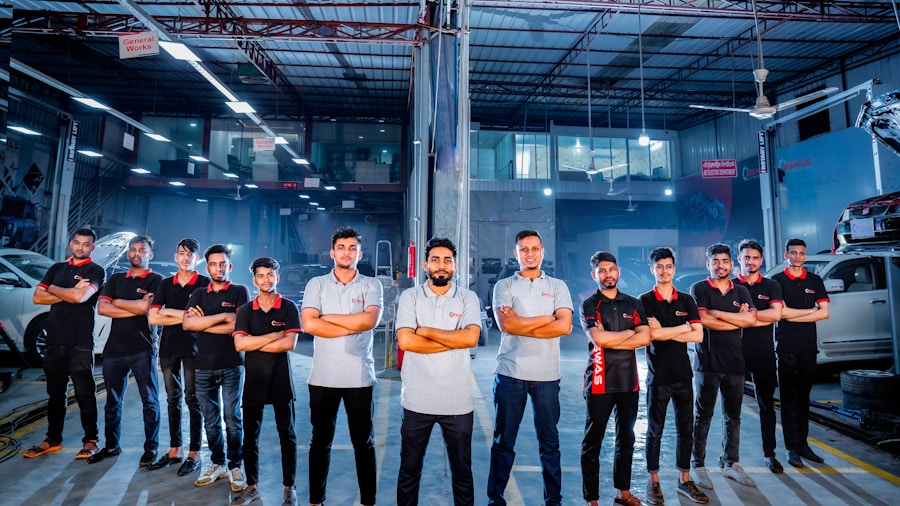
Industry leadership transitions typically signal evolving priorities and strategic focuses. Several major tire manufacturers and aftermarket retailers have announced director and vice president level appointments in recent months, indicating aggressive expansion and refinement of sales strategies across North America and internationally. Toyo promoted four leaders to director-level sales positions, while Vogue Tyre and Rubber appointed a new Senior Vice President of Sales to lead North American strategy and customer growth initiatives.
These appointments typically precede product launches, pricing adjustments, and improved dealer networks. When manufacturers strengthen their sales leadership, consumers usually benefit through better tire availability, more competitive pricing, and enhanced customer service at the retail level. The focus on cross-functional team development and customer growth initiatives suggests the industry is prioritizing innovation and market responsiveness.
Strong Financial Performance Drives Competition and Deals
The tire industry is experiencing strong profitability that translates into consumer benefits. Yokohama Rubber recently reported record first-half sales of 4.03 billion dollars with tire segment profits surging 57.3 percent, prompting the company to raise its full-year forecast and dividend. This financial strength means manufacturers have resources to invest in research and development, expand production capacity, and offer competitive promotions to consumers.
Major tire makers are already passing savings along to buyers. Hankook announced a fall rebate program offering consumers up to 80 dollars in Visa Reward Cards when purchasing four eligible tires. Record tire industry profits are driving consumer deals and reshaping the competitive landscape, giving shoppers more leverage when comparing prices and negotiating tire purchases.
Expansion and Specialization in Tire Retail
Retail expansion is accelerating across the tire sector. Sun Auto recently opened a new tire service location in Illinois and rebranded a tire retailer in North Carolina, now operating 18 locations across Illinois and eight in North Carolina. This growing network means more convenient access to tire services, faster installation appointments, and local competition that keeps pricing fair.
Industry specialization is also advancing. Some manufacturers are targeting niche markets with remarkable success. Kenda, for example, captured 85 percent of the golf cart tire market through strategic partnerships and product development, demonstrating that even specialized tire segments are seeing robust growth and innovation.
Global and Circular Economy Initiatives

Beyond domestic markets, tire manufacturers are developing international partnerships and sustainability programs. Pirelli announced partnerships to advance tire-to-tire circular economy initiatives in Europe, signaling that environmental concerns and sustainability are becoming central to product development and industry strategy. These efforts may eventually influence tire pricing, longevity standards, and recycling programs available to American consumers.
The industry is also investing heavily in workforce development. The Advance Auto Parts Foundation awarded 330,000 dollars for ASE certification programs, and ASE Connects partnered with Snap-on to support automotive educators and technicians. A robust, well-trained technician workforce means better tire installation quality, more accurate maintenance advice, and improved customer service when you visit a tire shop.
What You Should Do Now
If you are considering a tire purchase, the current environment favors buyers. Strong manufacturer profits mean competitive pricing and promotional offers are abundant. Leadership changes and expansion initiatives suggest retailers are investing in service quality and convenience. Monitor manufacturer websites and national tire retailers for ongoing promotions, and take advantage of current rebate programs while they are active. The industry transition underway should ultimately benefit consumers through better selection, pricing, and service quality in the months ahead.










Write Your Review
No reviews yet. Be the first to share your experience!