

Indian EV Motorcycle Startup Now Outsells Harley’s LiveWire What Buyers Should Know
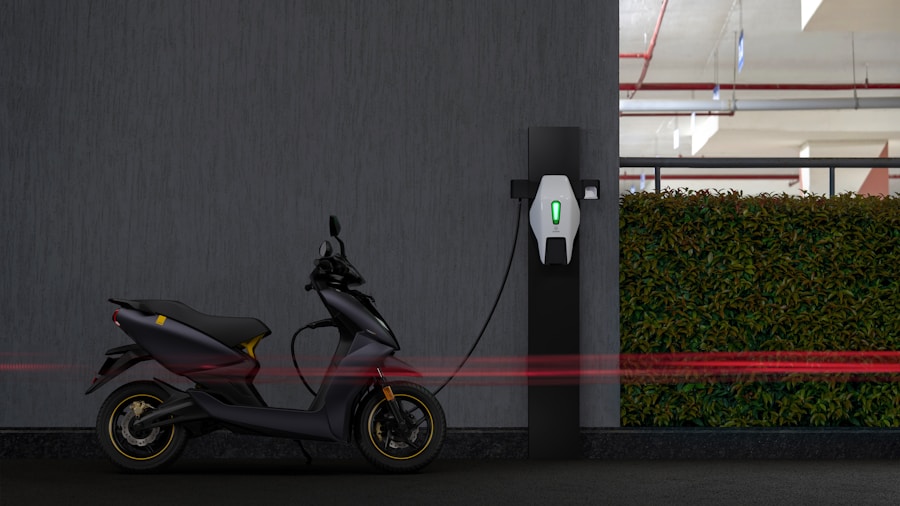
The electric motorcycle market is finally showing real momentum, and the results are surprising. An Indian startup called Ultraviolette has registered more units in a single month than Harley-Davidson’s LiveWire brand sells globally in an entire quarter. This shift signals important changes in how consumers are adopting electric bikes and what features actually drive purchasing decisions.
The Numbers Behind the Shift
Ultraviolette registered 694 motorcycles in July 2026 alone, marking a 406% year-over-year increase. By the end of the first seven months of 2026, the company had moved approximately 3,200 units, already making it the strongest year since the startup began selling in 2023. In comparison, LiveWire sold just 267 motorcycles globally during the second quarter of 2026. This means Ultraviolette’s single month outpaced LiveWire’s entire quarterly worldwide output by more than 2.6 times.
To put this in perspective, LiveWire sold only 358 motorcycles globally during the entire first half of 2026. While LiveWire’s sales grew 386% year-over-year, that growth started from an extremely small base. The contrast demonstrates that electric motorcycle acceptance is accelerating faster in some regions than manufacturers expected.
Why India’s Market Matters for Global Buyers
Some important context is needed here. Ultraviolette’s figures represent Indian retail registrations, while LiveWire reports worldwide sales. India is the world’s largest two-wheeler market by volume, so direct comparisons require careful interpretation. However, the comparison illustrates two critical points: the massive scale of India’s motorcycle industry and Ultraviolette’s rapid expansion trajectory. For American shoppers, this matters because it shows strong international demand can translate to better product availability and pricing eventually.
Ultraviolette’s motorcycles compete in the premium performance segment, not the budget commuter category. The company deliberately positioned itself toward riders willing to spend more for quality and performance. This strategy contradicts assumptions that electric motorcycles only appeal to cost-conscious buyers seeking basic transportation.
Financing Innovation Changed Everything
One key factor driving Ultraviolette’s growth is its Battery Flex program, which separates battery costs from the motorcycle purchase. This financing approach reduces the upfront price by nearly 40%, making premium electric bikes more accessible without sacrificing perceived value. The lesson here is straightforward: removing price barriers works. When riders can spread costs more reasonably, purchase decisions shift dramatically in the manufacturer’s favor.
The company expanded its motorcycle lineup and improved purchasing options simultaneously. This combination of product variety and financial flexibility proved more effective than offering a single model at a fixed price. For shoppers considering electric motorcycles, this trend suggests you can expect increasingly flexible financing from mainstream brands as they compete for market share.
Global Expansion and US Market Implications
Ultraviolette isn’t limiting itself to India. The company now retails across 19 European countries and has European certification for the F77 model. Leadership has publicly discussed future expansion into Southeast Asia, Latin America, and the United States. If Ultraviolette enters the American market, it could disrupt LiveWire’s current dominance.
Currently, LiveWire claims a 76% share of America’s 50-plus-kilowatt on-road electric motorcycle segment. That sounds impressive until you realize this segment remains tiny overall. An Indian startup can register more than twice LiveWire’s quarterly global volume in a single month within one country. Ducati’s recent electric motorcycle patent showing an 18500 RPM motor design indicates traditional manufacturers are also investing heavily in this category, further intensifying future competition.
What This Means for Shoppers
The core takeaway is important: riders don’t inherently dislike electric motorcycles. They want compelling bikes, attainable financing, meaningful choices, and an ownership ecosystem that makes practical sense. Ultraviolette’s 694 July registrations don’t solve the entire global electric motorcycle challenge, but they prove premium electric bikes can achieve meaningful sales volume with the right approach.
For American consumers, recent cross country motorcycle journeys have also demonstrated modern EVs’ capability, building confidence in the technology. This creates an opportunity window. As more manufacturers enter the electric motorcycle space and competition increases, you can expect better pricing, more model choices, improved charging infrastructure, and enhanced financing options. The market is shifting from novelty to maturity, and savvy shoppers should monitor international brands entering the US market alongside traditional manufacturers developing electric offerings.
The question isn’t whether electric motorcycles will gain traction anymore. The question is which brands will capture the growing segment. Ultraviolette’s rapid growth suggests that approach, features, and financing matter far more than brand heritage when riders evaluate electric bikes.










Write Your Review
No reviews yet. Be the first to share your experience!