

Milwaukee Pipeline is one of the year’s most anticipated industry media events, drawing professionals and enthusiasts eager to see new tools and innovations. At a recent gathering, one industry observer brought along a carefully selected collection of carry bags and organizers, offering a practical lesson in what smart shoppers need to know about gear management during product launches and major tool events.
Why Organization Matters at Major Tool Events
Attending a large-scale product showcase like Milwaukee Pipeline requires more than just showing up. Professionals who travel to these events need to think strategically about how they’ll transport gear, documents, samples, and personal items throughout the day. The right bag setup transforms what could be an exhausting experience into an organized, efficient one.
This isn’t about luxury or unnecessary extras. When you’re navigating a major event, moving between demonstration stations, and potentially carrying items back to your hotel, proper organization directly impacts your comfort and your ability to evaluate products fairly. A disorganized attendee misses details, gets tired faster, and leaves with incomplete information about what they’ve seen.
The Multi-Bag Strategy for Event Attendees
Rather than relying on a single large bag, experienced event attendees use a layered approach. A primary backpack handles clothing and general items. A smaller sling bag or crossbody option works best for the main event day when you need quick access to phone, camera, and notes without removing a large pack. Specialty bags like compact totes serve as overflow storage for items picked up during the day.
This strategy isn’t specific to Milwaukee Pipeline, though that event certainly demonstrates its value. The same approach applies to trade shows, product demonstrations, retail visits, and professional travel generally. When you’re evaluating tools and equipment, you need your hands free and your essentials within arm’s reach.
For anyone attending a major tool event, consider bringing at least two bags: one designed for all-day comfort during the main activities, and a secondary option for your hotel or vehicle for items you don’t need during peak event hours. This flexible approach beats struggling with one oversized bag all day.
Key Features to Look For in Event Bags
Not all bags are created equal, especially for tool-focused environments. Look for the following characteristics when selecting gear bags for events like Milwaukee Pipeline:
- Durable construction that handles daily wear without damage
- Comfortable carry options, whether backpack straps, shoulder carries, or handle systems
- Organized interior compartments to separate items logically
- Expandable capacity for items you pick up during the event
- Lightweight design to minimize fatigue during a full day of walking
Water resistance matters too. If you’re traveling to an event or if refreshments are available throughout the day, your bag needs to protect electronics and documents from spills and humidity.
What Event Attendees Actually Carry
During a typical large event like Milwaukee Pipeline, you’ll want to bring tissues, basic first aid supplies, eye drops, hand sanitizer, and water bottles. These seem minor until you’re six hours into an event and realize you’re tired, slightly dehydrated, and uncomfortable. Smart attendees pack these basics from the start.
Additionally, carry a small notebook and pen for quick observations about products you want to remember. While work lights and other gear get attention at these events, your notes are often more valuable than any printed materials you collect. A compact camera or smartphone with decent recording capability lets you document demonstrations for later review.
The Long-Term Value of Quality Bags
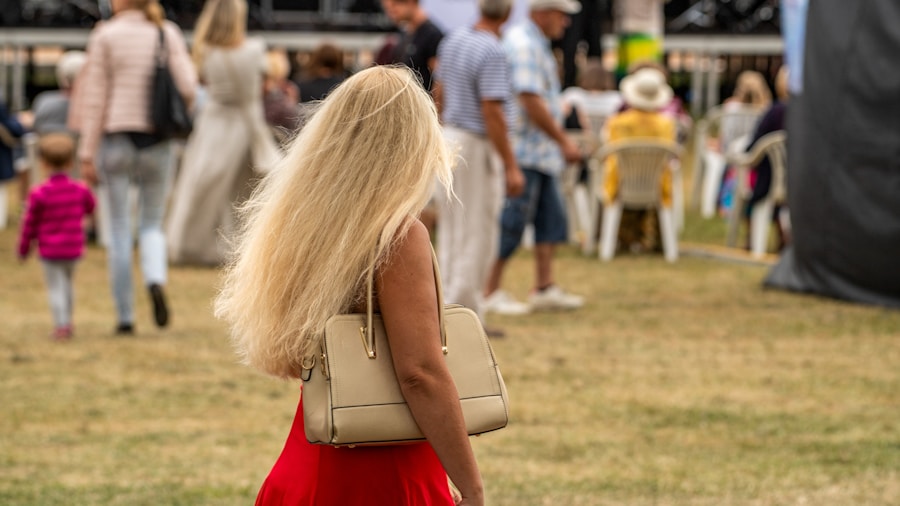
This event highlights something important about tool and gear investment: bags and organizers deliver value far beyond their initial purchase. A quality bag you purchase for one event continues working for you across dozens of situations afterward. You use it for subsequent industry events, retail trips, travel, and daily professional work.
Unlike tools with specific applications, good bags offer versatility. The same pack that serves you at a Milwaukee event works equally well for hiking, photography, commuting, or emergency preparedness at home. This multipurpose nature makes quality bags an underrated part of any tool professional’s setup.
Planning Your Next Event Attendance
If you’re planning to attend a major tool showcase or product launch, apply these lessons before you go. Invest in at least one quality primary bag rated for daily professional use. Add a smaller secondary bag for event day. Test your setup on a shorter trip before attending a major event. Make sure everything you plan to carry actually fits comfortably.
The professionals who get the most value from events like Milwaukee Pipeline aren’t necessarily those taking the most photos or collecting the most materials. They’re the ones who come organized, stay comfortable throughout the day, and leave with clear notes and observations about what they’ve seen. Your bag choice directly supports that outcome.



Write Your Review
No reviews yet. Be the first to share your experience!