

Tesla Semi Electric Truck Headed to European Market
Tesla has officially confirmed that its Semi electric truck will launch in Europe, with a full reveal of specifications and availability details planned for September 2026 at IAA Transportation in Hannover, Germany. This marks a significant shift from years of vague promises, as the company is now framing the truck show as an actual launch venue rather than simply showcasing a prototype.
The announcement comes after Tesla spent months preparing its manufacturing infrastructure for higher-volume production. In April 2026, Tesla completed its first production Semi at Gigafactory Nevada, rolling it off a dedicated 1.7-million-square-foot assembly line designed to produce up to 50,000 trucks annually. This represents the culmination of a nine-year journey from concept to actual commercial availability.
What the European Tesla Semi Will Offer
The European market will receive the same mechanical platform that Tesla is currently building for North American customers. The Semi comes in two configurations: a Standard Range version rated at 325 miles and a Long Range model capable of 500 miles per charge. Both variants feature an 800-kW tri-motor drivetrain producing 1,072 horsepower and support charging speeds up to 1.2 megawatts, significantly faster than typical truck infrastructure.
In the United States, Tesla prices the Long Range Semi at $290,000 and the Standard Range at approximately $260,000, making it the most affordable Class 8 battery-electric tractor on the market. European pricing and potential local manufacturing location remain unanswered questions that the September reveal is expected to address.
Production Momentum Is Building
Demand for the Tesla Semi has accelerated dramatically since production ramped up. This week, Swedish freight-technology company Einride placed an order for 500 trucks, setting a new record for a single customer purchase. PepsiCo has already deployed approximately 100 Semis throughout California, demonstrating real-world fleet adoption at scale. This production momentum lends credibility to Tesla’s European expansion plans and suggests the company is finally meeting market demand rather than managing a backlog of orders.
What This Means for European Fleet Operators
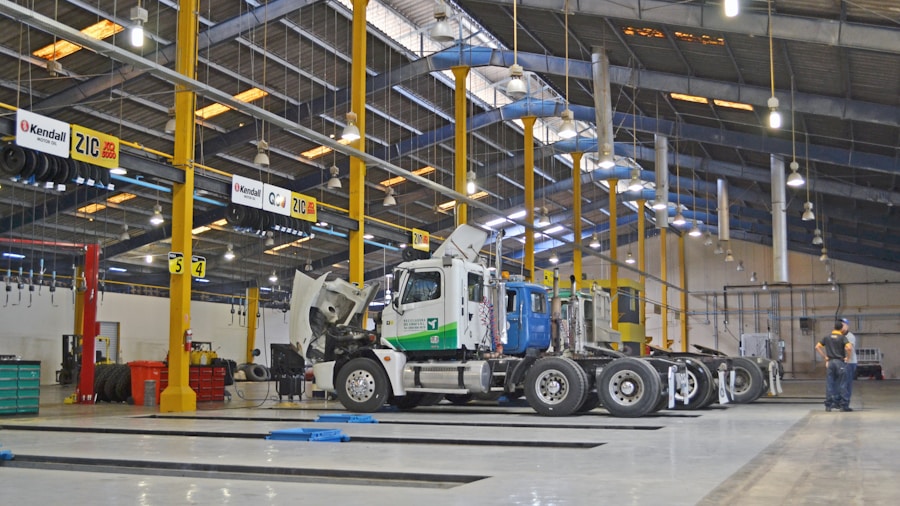
European trucking fleets face a different landscape than their American counterparts. The continent already has a mature electric truck market with established players, proven track records, and extensive service infrastructure. Mercedes-Benz’s eActros 600 long-haul electric truck operates in 15 European countries, while Volvo Trucks leads regional electric heavy-vehicle sales. MAN, Scania, Renault Trucks, and DAF all manufacture battery-electric Class 8 tractors in production or active delivery phases.
European trucks are engineered around strict dimensional constraints that differ significantly from American regulations. The cabs are considerably shorter, and the central driving position that defines the Tesla Semi’s design may not suit many common European driving tasks performed from the driver’s side window. European electric trucks have also achieved exceptional efficiency through multi-speed gearboxes and decades of commercial-vehicle engineering expertise, with real-world consumption figures already surpassing Tesla’s stated Semi efficiency targets.
Service and support represent another critical distinction. European truck manufacturers maintain extensive dealer networks and homologation approvals essential for commercial fleet operations. Tesla’s service infrastructure on the continent remains underdeveloped even for passenger vehicles, creating uncertainty about long-term ownership and maintenance accessibility for fleet customers who depend on rapid repairs and uptime guarantees.
Why Tesla Is Still Worth Watching
Despite the established competition, Tesla possesses potential cost and range advantages that could appeal to European operators seeking alternatives to traditional manufacturers. If you’re considering total fleet electrification costs alongside solar or renewable energy options, the Tesla Semi’s efficiency and charging speed may influence your decision calculus.
The September reveal will provide the first concrete data on whether Tesla’s advantages translate meaningfully to European operating conditions and pricing structures. For fleet managers evaluating electric truck investments, the details announced at IAA Transportation will determine whether the Tesla Semi represents a genuine competitive alternative or remains primarily a North American phenomenon.
The stakes are considerable. European fleets represent a massive addressable market, and a successful European launch would validate Tesla’s manufacturing capabilities and cost structure at a global scale. Conversely, a lukewarm reception would reinforce regional preferences for established manufacturers with proven support systems and engineering optimized for local requirements.
For now, all answers arrive in September when Tesla takes the stage in Hannover to explain how its American-designed electric truck plans to disrupt a market where European competitors already hold established footholds.











Write Your Review
No reviews yet. Be the first to share your experience!