

Understanding Makita’s Struggle in the US Power Tool Market
Makita has long been recognized for producing reliable, well-engineered cordless power tools that compete directly with industry giants like Milwaukee and DeWalt. Yet despite a solid reputation for quality and durability, the company has gradually lost market share in North America over the past decade. Understanding why this happened matters for buyers deciding which tool system to invest in.
Quality Isn’t the Issue
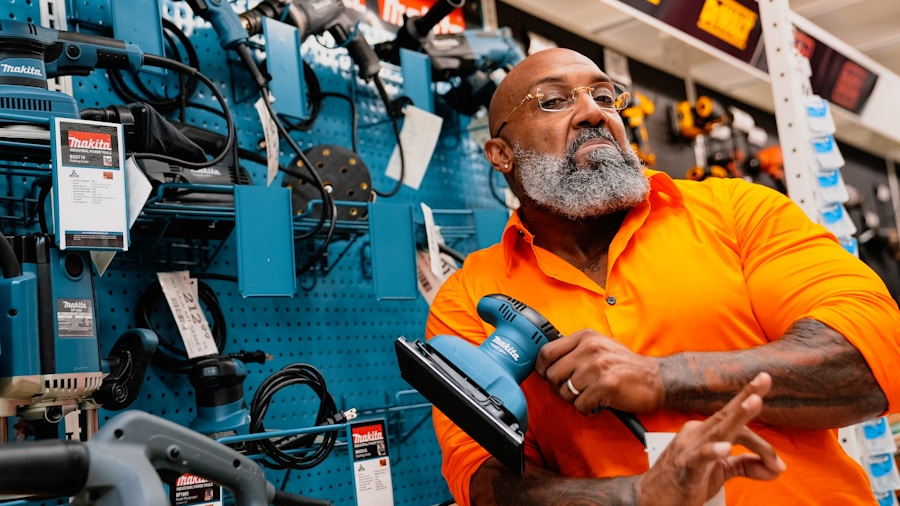
First, let’s address what many shoppers wonder: are Makita tools inferior? The answer is no. The company maintains a strong track record of manufacturing dependable, feature-rich cordless equipment. Industry observers and tool professionals consistently acknowledge that Makita produces well-constructed products with modern capabilities. For many users, the tools themselves are excellent. The problem isn’t product quality, it’s market positioning and strategy.
Marketing and Brand Visibility Make a Difference
One of the biggest factors behind Makita’s declining presence is marketing investment. Milwaukee and DeWalt spend substantially more on advertising, promotions, and brand partnerships than Makita does. This means homeowners and professionals walking into stores see aggressive promotions for red and yellow tools far more often than they see teal ones. When price-conscious buyers compare options and see frequent sales and bundled deals on competitor brands, those offers influence purchasing decisions.
Additionally, Makita, as a traditional Japanese manufacturer, takes a more understated approach to brand building. The company prioritizes solid engineering over flashy marketing campaigns, which resonates with certain buyers but fails to capture broader market attention in Western markets where branding and visibility drive sales significantly.
Availability Affects Purchasing Decisions
While online shopping has grown, brick-and-mortar retail remains crucial for tool sales. Many contractors and homeowners prefer seeing and comparing tools in person before committing to a system. Here’s where Makita faces a real challenge: Milwaukee and DeWalt have secured better shelf space and consistent inventory at major home improvement retailers. If a tool isn’t readily available at your local store, you’re less likely to buy it, especially when competitors offer similar products within arm’s reach.
Professional supply chains work similarly. Plumbing supply houses, for example, stock Milwaukee products comprehensively because that’s what the trade expects. This creates a self-reinforcing cycle: professionals buy what’s convenient to source, and supply houses stock what professionals demand.
Battery Platform Decisions Create Friction
Makita’s introduction of the XGT (extreme) battery platform created complications for existing users. When older LXT battery users wanted to upgrade to newer technology with better power and features, they faced a difficult choice: invest in an expensive new battery platform or stick with aging equipment. Some tool buyers switched to Milwaukee’s M18 system, which offered better promotions and backward compatibility advantages. The failure to maintain strong incentives for upgrading within the LXT ecosystem meant lost customers to competitors.
Trade Culture and Professional Perception
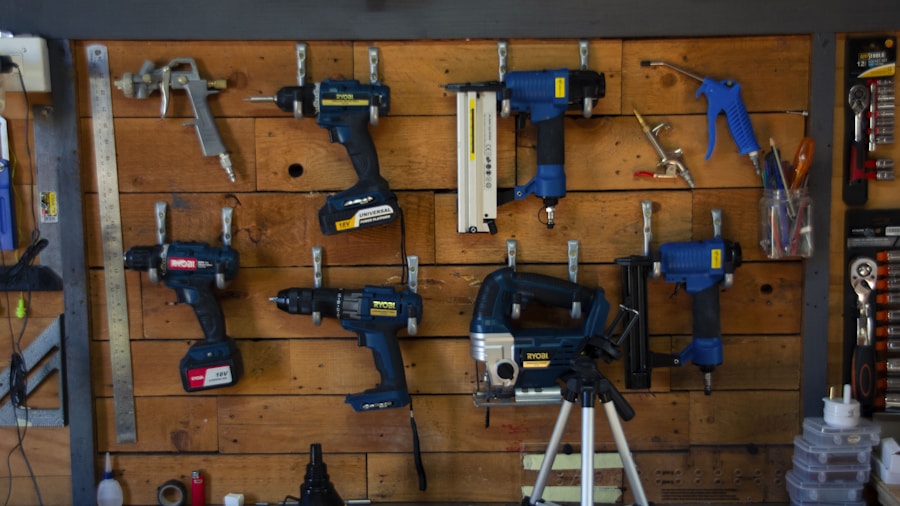
In the trades, perception matters. Milwaukee has cultivated a dominant image in the contractor and professional space through consistent visibility, supply chain partnerships, and cultural positioning. Using Milwaukee tools has become standard practice for many trades, and switching brands can feel like going against industry norms. Makita, though used and respected by professionals who own them, lacks this cultural dominance in North America. By contrast, Makita maintains much stronger market presence internationally, particularly in Australia and other regions where the brand invests more strategically.
What This Means for Shoppers
For homeowners and DIY enthusiasts, Makita’s market share decline shouldn’t discourage you if the tools meet your needs. The equipment quality remains solid, ergonomics are generally excellent, and battery reliability is strong. However, you should expect fewer promotional deals and more limited in-store availability compared to Milwaukee and DeWalt options. You may need to order online and wait for delivery rather than grab tools off shelves immediately.
For professionals or frequent tool buyers considering a primary system, availability and supply chain logistics matter as much as tool quality. If your local suppliers stock competitor brands more consistently, that practical reality may outweigh Makita’s technical strengths. The decision ultimately depends on your use patterns, budget constraints, and where you prefer to purchase tools.









Write Your Review
No reviews yet. Be the first to share your experience!