

Understanding the Impact of DOGE on Climate and Disaster Preparedness
Recent federal budget reduction efforts have raised concerns among scientists and disaster preparedness experts about the elimination of critical climate monitoring programs. Tesla CEO Elon Musk’s leadership of the government budget office has resulted in the cancellation of multiple disaster risk reduction initiatives, sparking debate about how these changes could affect public safety and environmental resilience across the United States and globally.
The controversy centers on the termination of collaborative programs between federal agencies and international partners. One notable casualty was a partnership between USAID and NASA focused on flood prediction, early warning systems, disaster preparedness, and glacier monitoring in vulnerable regions like Nepal. These tools were designed to help identify hazards before they became catastrophic events, potentially saving lives and protecting critical infrastructure.
What Happened: The Nepal Flooding Context
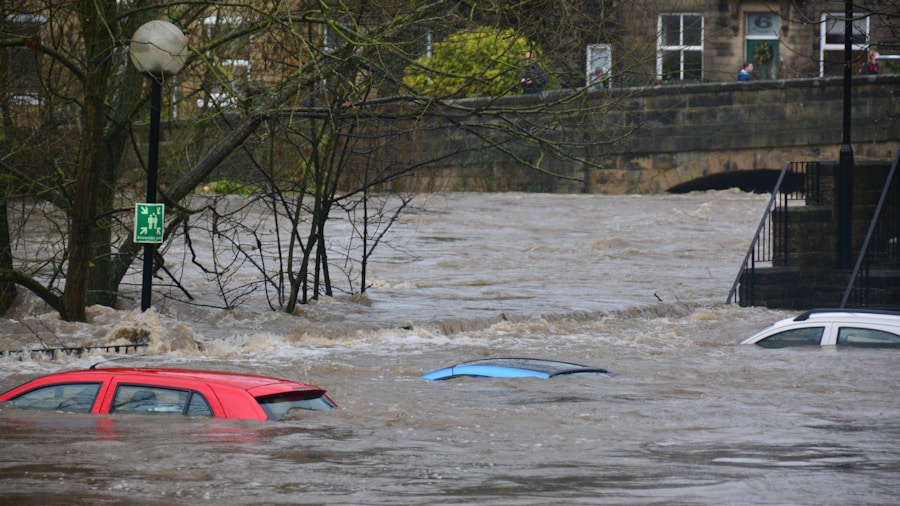
In late August, devastating floods struck Nepal and neighboring regions, resulting in hundreds of deaths and thousands reported missing. The disaster highlighted the vulnerability of mountainous regions to glacial outburst flooding, a climate-related phenomenon that experts argue could have been better forecasted with existing monitoring systems. While any single disaster is difficult to predict with certainty, the absence of these early warning tools removed a layer of protection that communities had relied upon.
The situation raises questions about how budget priorities affect public safety infrastructure. Former USAID leadership pointed out that seven separate disaster risk reduction projects in Nepal alone were eliminated through the budget cuts, along with approximately 420 million dollars in climate-related work at NASA. These programs provided the scientific foundation for understanding and preparing for weather-related emergencies.
Why This Matters for EV Owners and Consumers
You might wonder why climate monitoring affects your interest in electric vehicles and automotive products. The answer lies in infrastructure resilience and long-term planning. Flood and storm damage impacts vehicle ownership costs, insurance premiums, and the safety of charging infrastructure. Tesla slides as EV market expands across Europe, but domestic concerns about infrastructure vulnerability also influence purchasing decisions and vehicle value.
Recent hurricanes and flooding events have demonstrated how climate hazards threaten transportation networks, power systems, and charging networks. Communities without adequate early warning systems face greater economic losses and recovery costs. Property damage claims, insurance rate increases, and infrastructure repair expenses ultimately affect the total cost of vehicle ownership.
Regional Flood Disclosure Laws and Your Property
Several states have begun implementing stricter flood risk disclosure requirements for property sales, recognizing that climate-related water damage is becoming more frequent. North Carolina implemented comprehensive flood disclosure rules in July 2024, requiring sellers to disclose flood history, previous damage claims, and current flood insurance status. These disclosures help buyers make informed decisions about property investment in flood-prone areas.
If you own an EV or are considering purchasing one, your home location matters. Garages in flood zones require elevated electrical systems and specialized charging infrastructure. Tesla faces major recall over electric door handle safety issues, and flooding compounds electrical system risks. Understanding your property’s flood risk helps you plan for safe vehicle charging and protect your investment.
Historical Lessons and Future Planning
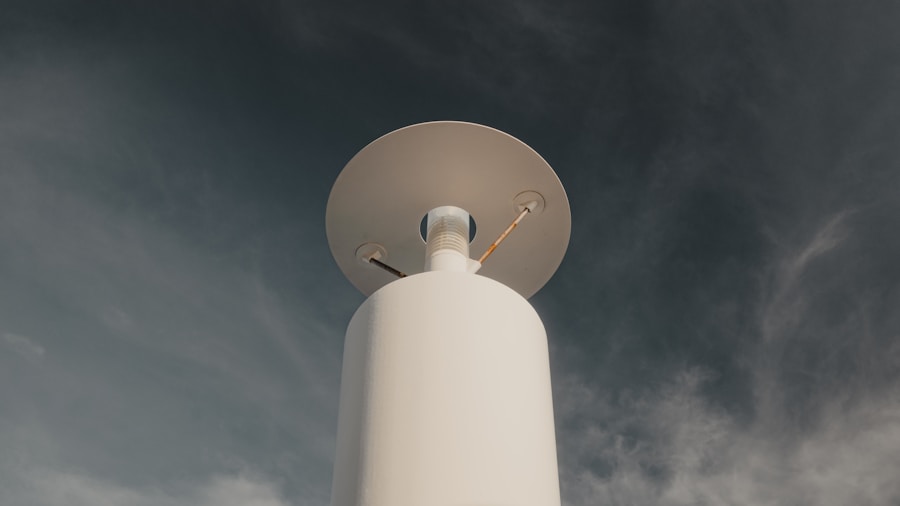
The 2004 Indian Ocean tsunami illustrated how effective warning systems save lives. Although the Pacific Tsunami Warning Center detected the earthquake and calculated tsunami arrival times, communication infrastructure in 2004 was inadequate to alert populations quickly enough. In the two decades since, warning systems improved significantly, but recent budget cuts threaten to reverse that progress.
Similar investments in flood prediction and glacier monitoring represent decades of scientific progress. The elimination of these programs removes institutional knowledge and real-time monitoring capabilities that took years to develop. Tesla theater expansion brings more streaming platforms to your vehicle, but underlying infrastructure improvements may take longer to rebuild.
What Consumers Should Monitor Going Forward
As a consumer, several factors warrant attention. First, review your property’s flood risk through FEMA flood maps and local county records. Second, understand your homeowners or renters insurance coverage for water damage, particularly if you operate a home charging station. Third, stay informed about climate and infrastructure policy changes at federal and state levels, as these decisions affect property values and community preparedness.
The broader conversation about infrastructure investment and climate monitoring will continue shaping insurance rates, property values, and the safety of transportation networks. Your purchase decisions and property ownership carry implications beyond immediate product features. Taking time to understand these connections helps you make more informed choices about vehicles, property, and long-term financial planning.








Write Your Review
No reviews yet. Be the first to share your experience!