

What Recent Testing Reveals About Bike Rack Placement and MPG
If you regularly transport bicycles on road trips or camping adventures, you already know that adding a bike rack to your vehicle changes how it handles and performs. What you may not realize is that where you mount that rack can make a significant difference in your fuel consumption over the course of a long drive. Recent testing has shown that the placement of your bike rack matters far more than many shoppers assume, and making the right choice could save you money at the pump.
Consumer Reports conducted comprehensive testing on two popular vehicle types: a Nissan Altima sedan and a Toyota RAV4 SUV. The team evaluated how both roof-mounted and hitch-mounted bike racks affected fuel efficiency, testing each configuration with an empty rack and again while carrying two bicycles. The results were striking and revealed a clear winner for drivers who care about MPG.
The Aerodynamic Penalty of Roof Racks
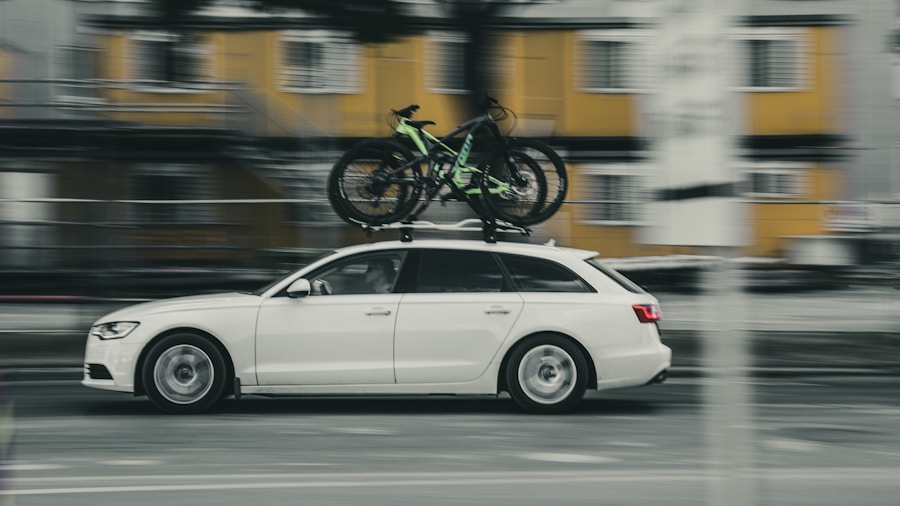
Mounting a bike rack on your vehicle’s roof creates a measurable aerodynamic problem. A roof rack increases the wind resistance that your engine must overcome as you drive, forcing your car to work harder and consume more fuel. Even an empty roof rack carries this penalty because the wind still has to navigate around the added structure.
On the Toyota RAV4 SUV, a roof rack loaded with two bikes resulted in a 19 percent increase in fuel consumption. For the Nissan Altima sedan, the impact was even steeper: a 28 percent penalty. What’s particularly noteworthy is that even bare roof racks cost 11 percent in fuel efficiency on the RAV4 and similar losses on the sedan. These numbers add up quickly on long trips or for drivers who use their racks regularly.
Hitch Racks Offer Real Fuel Savings
Hitch-mounted racks, positioned behind the vehicle, tell a different story. Because they sit lower and further back, they disrupt the airflow pattern far less than a roof installation. On the RAV4 with two bikes, a hitch rack cost only 12 percent in fuel economy: a full 7-percentage-point improvement over the roof version. On the sedan, the difference narrowed slightly but remained meaningful, with hitch racks costing 25 percent versus 28 percent for roof racks when loaded.
The gap widens dramatically with empty racks. An empty hitch rack on the RAV4 cost just 3 percent in fuel efficiency, while the bare roof rack cost 11 percent. For drivers who transport bikes occasionally or seasonally, this distinction has real financial implications. If you take a 500-mile trip, that aerodynamic difference translates into extra gallons of gas and dollars spent.
Trade-offs to Consider with Hitch Racks
Although hitch-mounted racks excel at preserving fuel economy, they do come with practical drawbacks. A hitch rack blocks access to your vehicle’s trunk or hatchback storage area, which can be frustrating on camping trips or longer journeys where you need that space. Additionally, hitch racks can interfere with backup cameras and parking sensors, potentially triggering false alarms when you’re reversing.
On vehicles like Jeeps or certain SUVs, a hitch rack eliminates the option of carrying a spare tire mounted to the rear. If your vehicle relies on a hitch for towing other equipment, you’ll need a removable hitch rack or may face installation challenges.
Why Hitch Racks Win on Convenience
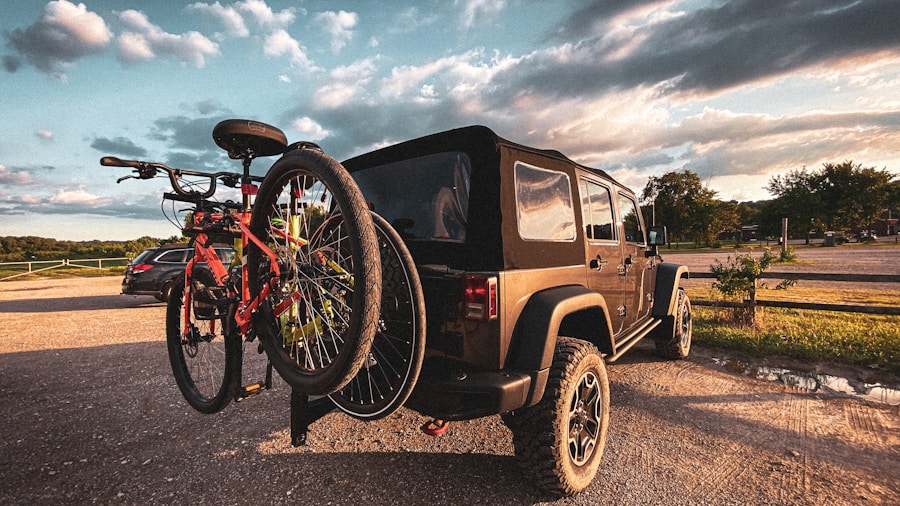
Despite these limitations, hitch racks excel in day-to-day usability. Installing or removing a hitch rack takes minutes compared to the time required for roof installation. Most importantly, securing your bikes becomes dramatically easier. No more lifting a 30-pound bicycle above your head or dragging out a ladder: simply wheel your bikes to the back of your car and lock them in place.
Many platform-style hitch racks support bicycles by their wheels rather than the frame, reducing the risk of cosmetic damage to your bikes during transit. This feature alone makes the hitch option attractive for anyone who regularly transports expensive or cherished bicycles.
What This Means for Your Purchasing Decision
If fuel economy ranks high on your priority list and you own a sedan or fuel-efficient SUV, switching to a hitch-mounted bike rack can produce meaningful savings particularly on long trips. The fuel penalty for a roof-mounted option compounds with each mile driven, so the longer your typical journeys, the stronger the case for a hitch installation becomes.
For casual users who only transport bikes a few times per year, the convenience and ease of use that hitch racks provide may matter more than incremental fuel savings. Ultimately, your choice depends on how frequently you carry bikes, the length of your typical trips, and whether your vehicle’s design can accommodate a hitch rack without sacrificing too much cargo accessibility.






Write Your Review
No reviews yet. Be the first to share your experience!