

Control Arm Bushings Wear Together: What Suspension Experts Say
If your tires are wearing unevenly or your steering wheel sits off-center, the culprit may not be the tires themselves. A failing control arm is often the hidden cause behind premature tire damage, and understanding this connection can save you hundreds of dollars in unexpected replacements.
Control arms are critical suspension components that maintain proper alignment geometry as your vehicle navigates bumps, potholes and curves. Inside each control arm are rubber bushings that absorb the noise, vibration and harshness generated by everyday driving. Over time, these bushings crack, dry rot or tear. When degradation occurs, the control arm shifts out of position, and that movement changes your vehicle’s suspension geometry while you are actively driving.
The resulting misalignment creates a cascade of problems. Your tires wear unevenly across their surface. The steering wheel develops an off-center feel. You may notice increased vibration or a pulling sensation when braking. Many drivers attribute these symptoms to tire quality, but the real issue lies in suspension wear that demands immediate attention.
Why Replacing One Control Arm Is Not Enough
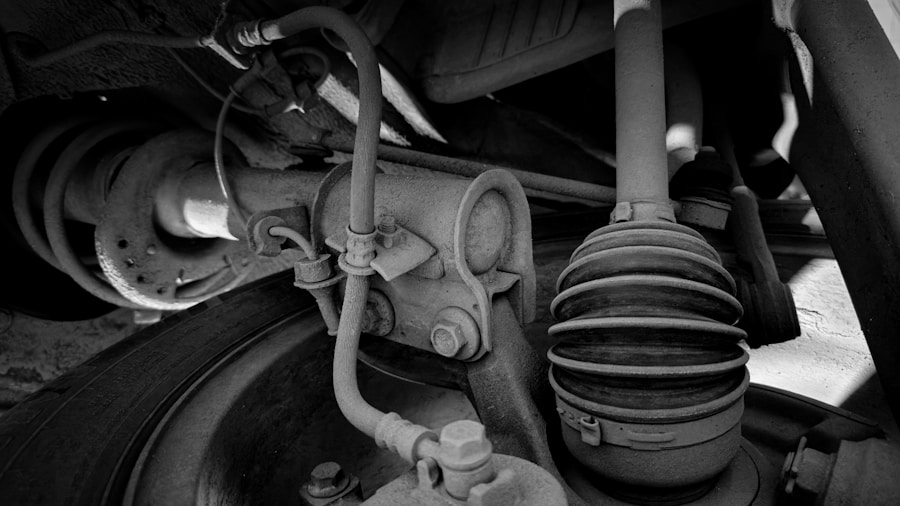
Here is where many repair decisions go wrong: mechanics who replace a single worn control arm without inspecting and servicing the opposite side often see customers return weeks later with the same complaints. The reason is straightforward. When one control arm has reached the end of its service life, its matching counterpart on the other side of the vehicle is almost always approaching failure as well. Both sides wear at roughly the same rate due to identical driving conditions and mileage exposure.
Replacing only the damaged control arm leaves the deteriorating bushing on the opposite side in place. That worn component continues to allow movement, preventing your suspension from returning to true geometry. Your alignment numbers may look correct on the shop computer, but the underlying structural issue persists. Within a short time, you experience the same symptoms, return to the shop, and face another repair bill.
Suspension specialists recommend choosing quality replacement control arms and always replacing them in pairs. This approach addresses the root cause completely and eliminates the frustration of repeat visits for the same problem.
Suspension Geometry and Tire Longevity
Your vehicle’s suspension is engineered to hold specific angles and distances between wheels. Engineers call this suspension geometry, and it directly determines how your tires contact the road surface. When control arm bushings deteriorate, those carefully calculated angles shift. The tire no longer sits perfectly flat; it tilts inward or outward. The result is excessive wear on one edge of the tire tread while the center or opposite edge remains relatively fresh.
This uneven wear pattern accelerates tire failure and reduces the miles you get from each set. If your tires are showing cupped wear, feathered tread or edge wear, a thorough suspension inspection should be your first step before purchasing replacement tires. Proper diagnosis requires testing multiple components to pinpoint the actual cause of wear patterns.
What Shoppers Should Do Now
If you notice uneven tire wear, vibration, or an off-center steering wheel, schedule a complete suspension inspection immediately. Request that your technician inspect both the left and right control arms and their bushings. Ask for a visual report showing the condition of both sides. Do not accept a recommendation to replace only one control arm unless the other side has been thoroughly inspected and documented as sound.
When your technician recommends control arm replacement, factor in the cost of doing both sides at once. You will pay slightly more upfront, but you avoid the expense of a second repair visit and the frustration of unresolved symptoms. This approach also protects your tire investment by restoring proper suspension geometry and preventing accelerated tread wear.
Quality suspension components are fundamental to vehicle safety and tire longevity. Taking a complete approach to control arm service keeps your vehicle aligned, your tires wearing evenly, and your repair costs predictable. Understanding the full scope of suspension maintenance helps you make informed decisions about your vehicle’s long-term health.











Write Your Review
No reviews yet. Be the first to share your experience!