

Zero Motorcycles has announced a major upgrade to its electric motorcycle lineup: Level 3 DC fast charging technology arriving in 2027 for new Street and Dual Sport models. More significantly, the company plans to make this technology retrofittable for many existing owners, a move that could reshape the charging experience for current Zero riders across North America and Europe.
What the New Charging System Delivers
The upcoming Level 3 DC fast charging system will use a CCS charging port and a dedicated fast-charging module designed specifically for Zero’s Street and Dual Sport model families. According to the manufacturer, the technology can charge motorcycles with battery capacities up to 17.3 kWh from 20% to 80% in less than 30 minutes, a substantial improvement over current options.
For context, Zero currently offers a Rapid Charge System for select models that upgrades owners from the standard 6.6 kW configuration to 12.6 kW Level 2 charging. That system reduces charging time from 20% to 80% to under 45 minutes. The new Level 3 system cuts that window nearly in half, making longer trips far more practical for electric motorcycle owners.
Retrofit Access for Existing Owners
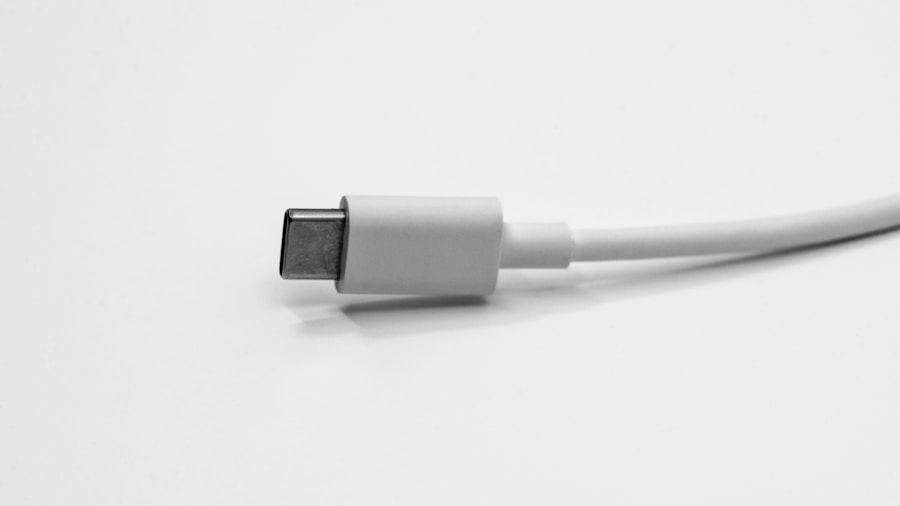
What sets this announcement apart is Zero’s commitment to backwards compatibility. The charging hardware will be offered not only as standard equipment on future models but also as an accessory upgrade for compatible motorcycles built in 2022 and newer that feature the Cypher III operating system. Eligible models for retrofitting include the S, SR, SR/S, SR/F, DS, DSR and DSR/X, potentially giving thousands of current owners a path to faster charging without replacing their motorcycles.
This approach prioritizes extending value for existing customers while capitalizing on the expanding fast-charging infrastructure being deployed across North America and Europe. Pierre-Martin Bos, CEO of Zero Motorcycles, emphasized that DC fast charging represents an important milestone for attracting new riders to electric mobility and strengthening the brand’s market position.
What This Means for Motorcycle Buyers

For prospective buyers, this announcement signals confidence in Zero’s growth trajectory and its commitment to improving the ownership experience. The expanding motorcycle market continues to embrace electrification as major manufacturers invest in charging infrastructure, and Zero’s move aligns with that industry shift.
Faster charging directly addresses one of the primary concerns potential electric motorcycle buyers raise: range anxiety and charging time. With sub-30-minute charging windows at 80% capacity, riders can realistically integrate charging stops into longer journeys without sacrificing significant travel time. This capability narrows the practical gap between electric motorcycles and their gasoline-powered counterparts for many riding scenarios.
For existing owners, the retrofit option means their motorcycles won’t become obsolete when the new technology arrives. Instead of feeling pressured to trade in current models, owners can upgrade their charging capability while keeping their familiar bikes. This creates substantial long-term value retention and customer loyalty.
Timeline and Remaining Questions
Zero plans to roll out the Level 3 DC fast charging system beginning in 2027 for new Street and Dual Sport models, with retrofit availability for qualifying existing motorcycles to follow. The company has committed to releasing additional details as development progresses, including final specifications, exact pricing, retrofit requirements, and complete model compatibility lists.
The technology also demonstrates how even traditional motorcycle manufacturers are adapting to modern buyer expectations and technological innovation, though Zero has established itself as the leader in this space. As the electric motorcycle segment matures, charging infrastructure and speed have become competitive differentiators.
Riders shopping for an electric motorcycle should factor this timeline into their purchase decisions. Those buying now may want to understand retrofit eligibility for future upgrades, while those considering waiting until 2027 can anticipate even faster charging from the start. Either way, Zero’s announcement confirms that electric motorcycles continue to gain practical advantages that make them increasingly viable for real-world riding conditions.











Write Your Review
No reviews yet. Be the first to share your experience!