

A Historic Milestone for Electric Vehicles Down Under
For the first time in Australian automotive history, electric vehicles outsold traditional gasoline and diesel cars in a single month. During August, battery electric vehicles (BEVs) and plug-in hybrids (PHEVs) combined to capture over 35% of the market, with 27,000 BEVs sold representing a stunning 170% increase compared to the same month the previous year. Out of approximately 109,000 total vehicles sold, this represents a fundamental shift in consumer preferences that has major implications for anyone shopping for a car in the coming months.
The standout winner was the Tesla Model Y, which claimed the top position overall across all vehicle types and powertrains. The company also finished as the third best-selling brand nationwide for August, a remarkable achievement in a market traditionally dominated by Japanese and European manufacturers. Industry observers note that when you examine the top ten best-selling vehicles regardless of powertrain type, three are now fully electric models, mirroring trends already seen in major Asian markets.
Understanding the Market Shift
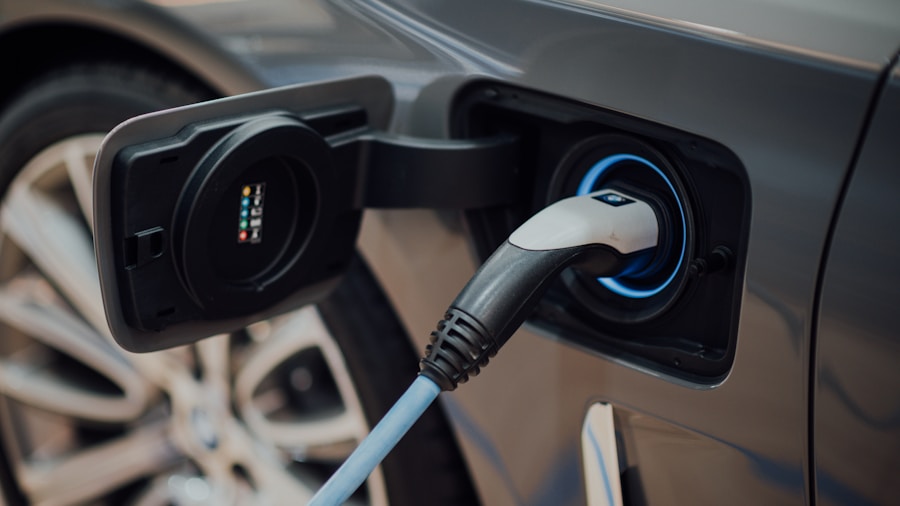
What’s particularly significant is that traditional automakers are struggling to keep pace. Petrol-powered vehicles accounted for 25,824 sales, diesel for 23,608, and hybrid models for 18,662, all substantially lower than the combined EV total. Legacy automotive brands across the board experienced year-over-year declines, while every Chinese brand in the top ten, along with Tesla, grew compared to the previous year. This suggests the competitive landscape is shifting rapidly, with value-focused electric vehicles from emerging manufacturers gaining significant traction alongside established players.
For shoppers, this means greater selection and competitive pricing. Chinese manufacturers like BYD, Geely, and others are bringing affordable, technology-packed electric options to market, forcing established brands to improve their offerings or risk falling further behind. Cost considerations are now driving purchase decisions more than environmental concerns, with electricity costs at approximately 34 cents per kilowatt-hour compared to petrol at $2.50 per liter creating a compelling economic argument for electric vehicle adoption.
The Tesla Model Y Dominance
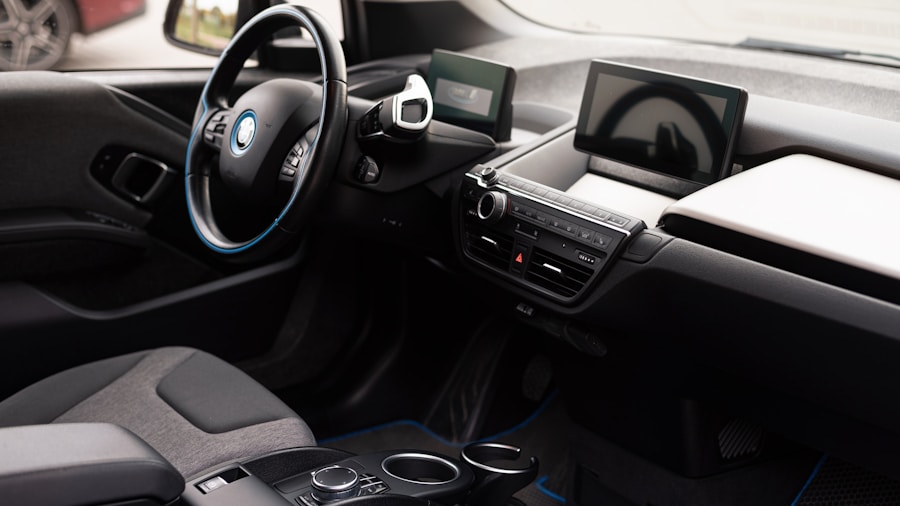
The Tesla Model Y’s performance is particularly noteworthy. The model delivered 6,414 units in August alone, with year-to-date sales reaching 31,454. Interestingly, the longer Model Y variant is outselling the standard five-seat version, with 3,236 deliveries of the extended model compared to 3,178 standard units in August. This indicates that buyers are prioritizing cargo space and versatility when choosing electric vehicles, a trend that could influence future vehicle design across the industry.
Japanese manufacturers are working to catch up, though progress remains slow. Toyota’s BZ4X sold just over 400 units, while the Mazda 6e managed 382 sales. Even Volkswagen’s ID.4, a popular European electric offering, barely cracked the top twenty best-selling models overall. The absence of traditional automotive powers from the top positions sends a clear signal about changing consumer preferences and manufacturing capabilities.
What This Means for Buyers
The surge in electric vehicle adoption is prompting important conversations about supporting infrastructure. While charging network advocates emphasize the need for additional fast chargers, real-world data from open-source charging maps shows the infrastructure is expanding rapidly. Most potential buyers considering an electric vehicle today have legitimate questions about battery longevity and end-of-life recycling, concerns that require clear information from manufacturers and dealers to address effectively.
Recent consumer surveys suggest that only 17% of potential buyers firmly reject the idea of purchasing an electric vehicle, indicating substantial market opportunity ahead. As infrastructure and policy frameworks continue evolving, the practical advantages of electric vehicle ownership become increasingly apparent to mainstream consumers.
For shoppers evaluating their next vehicle purchase, the Australian market transformation offers valuable lessons. Electric vehicles are no longer a niche choice or a technology experiment, they are becoming the mainstream option. Prices are competitive, model selection is expanding rapidly, and the economics of ownership favor electrification. Whether you are motivated by long-term fuel savings, performance capabilities, or environmental considerations, the current market provides genuine alternatives to traditional gasoline and diesel vehicles at various price points.











Write Your Review
No reviews yet. Be the first to share your experience!