

Tesla Rolls Out Collision Avoidance That Overrides Manual Drivers
Tesla is deploying a significant safety update to its Full Self-Driving (Supervised) system that fundamentally changes how the software operates. Starting with version 14.3.9, the system can now seize control of your vehicle and steer around obstacles even when you are actively driving in manual mode. This represents a major shift from previous behavior, where FSD only functioned when deliberately activated by the driver.
How the New Safety Feature Works
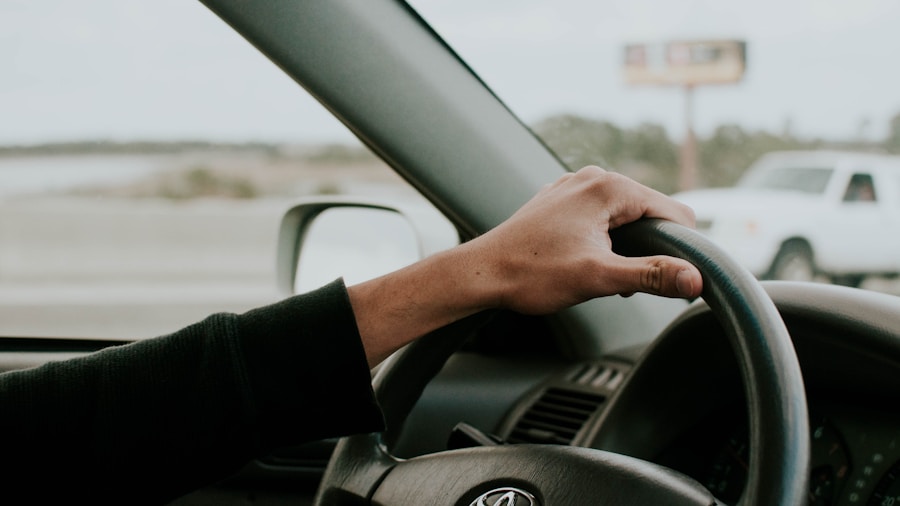
The new active safety feature set activates in two distinct scenarios. First, when Tesla’s systems detect an imminent collision that traditional Automatic Emergency Braking alone cannot prevent, FSD will engage steering control to maneuver around the threat. Second, the software will take over if it determines you are heavily distracted or if FSD was accidentally disengaged without your intention.
This means a slice of the FSD software stack now runs continuously in the background during normal manual driving, monitoring road conditions and driver behavior. When certain conditions are met, the system bypasses your manual control and directs the vehicle’s steering to avoid danger. Tesla describes this as deploying directional control when braking proves insufficient, allowing the car to dodge obstacles rather than relying solely on deceleration.
What This Means for Tesla Owners and Prospective Buyers
For current owners, this update arrives automatically with no apparent toggle to disable it, raising important questions about driver control and liability. If the system makes a steering decision while you are actively driving, who bears responsibility if something goes wrong? The legal implications are substantial, since Tesla vehicles are classified as Level 2 autonomous systems, meaning the driver retains primary responsibility. However, when the vehicle takes unilateral steering action, that liability structure becomes murky.
Prospective buyers should understand that purchasing a newer Tesla means accepting automatic safety interventions that operate without explicit driver approval. This is fundamentally different from traditional car ownership, where you maintain direct control over all driving inputs. Before purchasing, consider whether you are comfortable with a vehicle that can override your steering decisions, even with safety as the stated intention.
The Reliability Track Record Matters
Tesla’s v14 software, which powers this new feature, has a documented history of issues that give reason for caution. The system has exhibited unexplained swerving toward ditches, chronic phantom braking problems, and other false-positive scenarios. When Automatic Emergency Braking triggers incorrectly, it creates a jarring but ultimately survivable situation. When steering automation triggers incorrectly, the consequences could be far more severe.
The central concern is Tesla’s false-positive rate. If the system misidentifies obstacles or misreads driver attention levels, it could actively cause the very crashes it aims to prevent. Tesla Cybercab Faces Safety Investigation: What Buyers Need Now highlights ongoing scrutiny of Tesla’s autonomous capabilities, and this new feature will likely intensify regulatory attention.
Comparison to Industry Standards
Automatic Emergency Braking has proven itself over decades, preventing countless accidents across multiple manufacturers. The concept of evasive steering to avoid collisions is logical and represents an incremental safety improvement in theory. Several other automakers have been developing similar systems, so Tesla is not alone in pursuing this technology.
However, other manufacturers typically make such systems optional and transparent to drivers. Tesla’s approach of deploying this in the background without a clear opt-out mechanism sets a different precedent. Electric Vehicles Outsell Gas Cars in Australia demonstrates Tesla’s dominant market position, but market share does not necessarily translate to superior safety engineering or consumer-friendly implementation.
Key Questions Remain Unanswered

Tesla has not clarified several critical points. First, can owners disable this feature, or is it mandatory? Second, how does the system decide when steering is preferable to braking? Third, what calibration process ensures the false-positive rate stays acceptably low? Fourth, who handles liability when the automated steering causes damage or injury?
Until Tesla addresses these questions transparently, buyers should approach this feature with realistic skepticism. While the safety goal is admirable, the execution method and technical maturity remain uncertain. Requesting detailed specifications and opt-out capabilities from your Tesla dealer before purchase is advisable.
Bottom Line for Shoppers
This update marks a significant step toward more autonomous vehicle behavior, whether you welcome it or not. Before buying a Tesla, understand that you are accepting automatic driving interventions during manual operation. If you value complete control over your vehicle’s steering inputs, this feature may represent a dealbreaker. For those comfortable with AI-assisted safety systems, monitor Tesla’s real-world safety data closely over the coming months to ensure the feature performs as intended.











Write Your Review
No reviews yet. Be the first to share your experience!