

Running out of propane in your RV is more than an inconvenience, it can derail your entire camping experience. Whether you rely on propane for heating, hot water, cooking, or powering an outdoor kitchen, an empty tank leaves you stranded without essential comfort. The good news is that checking your propane level is straightforward once you understand your RV’s setup and the methods available to monitor fuel levels.
Identify Your RV’s Propane System First
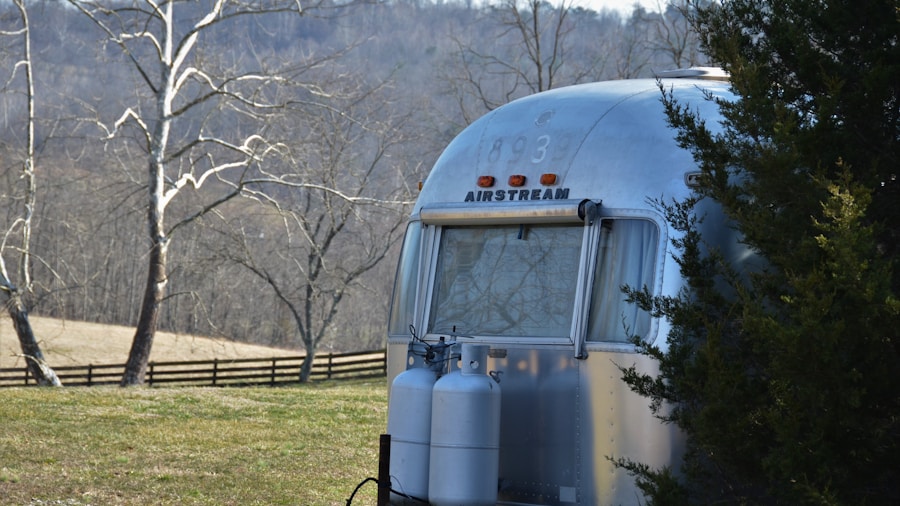
The first step toward reliable propane monitoring is understanding what type of tank your RV uses. Travel trailers, fifth-wheels, truck campers, and many smaller RVs rely on removable DOT propane cylinders, typically mounted on the trailer tongue or stored in external compartments. Motorhomes and larger RVs, by contrast, often feature permanently mounted ASME propane tanks. These tanks include a mechanical float gauge near the fill valve that displays an approximate fuel level. Keep in mind that an 80% reading on an ASME tank actually means the tank is full, since propane needs expansion space and cannot be filled to true capacity.
Four Reliable Methods to Check Your Propane Level
Once you know your tank type, choose a monitoring method that suits your RV’s configuration. Some approaches require no special equipment, while others offer ongoing convenience between fill-ups.
The Tank Gauge Method
This approach works best for RVs with permanently mounted ASME propane tanks. Look for the small gauge positioned near the fill valve. It may display a percentage or markings such as empty, one-quarter, one-half, and three-quarters. Always check the gauge when your RV sits relatively level. Treat any reading as an estimate rather than a precise measurement. If your interior monitor panel disagrees with the tank gauge, rely on the tank gauge as your better reference point. If the gauge never changes, reads empty immediately after a refill, or appears consistently inaccurate, have a qualified propane technician inspect it.
The Weighing Method
Weighing works exceptionally well for travel trailers, fifth-wheels, truck campers, and other RVs with removable cylinders. Look for the letters TW stamped on the tank collar, which indicates the tare weight, or the weight of the empty cylinder. Place the cylinder on a household scale, luggage scale, or propane tank scale. Subtract the TW from the total weight to determine the approximate weight of propane remaining. For example, a cylinder with a TW of 17 pounds that weighs 27 pounds contains approximately 10 pounds of propane.
The Warm Water Method
For a quick, free check when the tank side is easily accessible, pour warm tap water down one side of the cylinder and slowly run your hand from top toward bottom. The tank should feel warmer above the liquid propane and cooler where the liquid begins. This method provides a rough estimate, showing whether your tank is mostly full, around half full, or getting low, rather than an exact percentage. Always use warm water instead of boiling water, and keep water away from electrical connections. Use this technique as a quick estimate before departing on a trip.
Electronic Monitoring Devices
For RVers who want easier monitoring without lifting or disconnecting cylinders, propane-level monitors offer real convenience, especially when tanks are tucked into hard-to-reach compartments. As fall RV market conditions shift, many shoppers are evaluating propane monitoring investments to improve their camping reliability. Popular options include handheld ultrasonic readers that detect liquid propane levels without permanent installation, attached tank sensors that send propane data to a smartphone app, and smart propane scales that sit beneath cylinders and estimate remaining fuel through Bluetooth connectivity. Before purchasing any electronic device, verify compatibility with your specific tank size, material, and mounting location.
Why Pressure Gauges Alone Are Not Enough
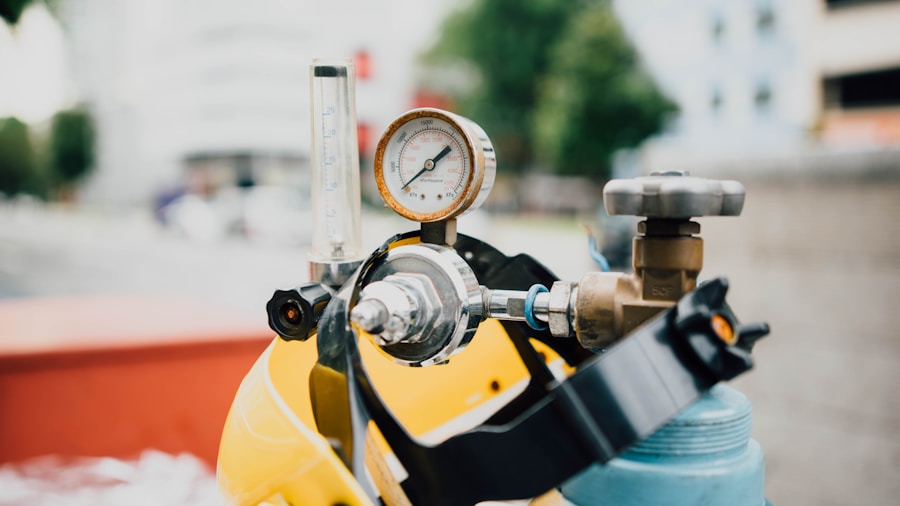
Inexpensive inline gauges that connect between the propane cylinder and hose can spot a very low tank, but they do not directly measure liquid propane remaining. Because propane pressure changes with outdoor temperature and can remain fairly high until the tank is nearly empty, pressure gauges function better as rough warnings than dependable fuel-level readings. Just as new display technologies help shoppers make better RV purchasing decisions, understanding your propane system helps you make better monitoring choices.
Plan Ahead and Avoid Empty Tank Surprises
A quick propane check before a trip, during cold weather, or before an extended stay can save you from losing heat, hot water, or cooking ability when you need it most. Rather than waiting until your tank runs completely empty, consider refilling when levels drop to prevent inconvenient outages. Most importantly, match your monitoring method to your RV’s setup and check propane levels regularly. By staying informed about your fuel status, you can focus on enjoying your camping experience rather than worrying about running out when temperatures drop or dinner time arrives.











Write Your Review
No reviews yet. Be the first to share your experience!