

Ford just proved that sometimes the forgotten treasures in a manufacturer’s vault can still surprise enthusiasts and casual buyers alike. The automaker recently tested its one-of-a-kind 1999 Mustang V10 prototype on a dynamometer, finally revealing the actual output of this legendary concept car that could have changed the pony car segment forever.
The Lost V10 Mustang Emerges
This 1999 Mustang V10 has an interesting backstory that reveals how engineering ambition sometimes hits unexpected limits. Ford engineers initially attempted to adapt the company’s 6.8L Triton V10 engine, commonly used in trucks, into the compact engine bay of a Mustang Cobra. The goal was straightforward: create a muscle car capable of competing directly with the Dodge Viper and Chevrolet Corvette in raw power and performance.
When that direct transplant proved impossible due to space constraints, engineers took a different approach. They began with sand castings from the existing 4.6L V8 and added two additional cylinders to the design. Custom cylinder heads derived from the legendary Cobra R model topped off this bespoke powerplant. The result was a stunning engineering achievement that fit perfectly within the hood of a Mustang Cobra.
Dyno Testing Reveals Shocking Numbers

When Ford originally rated this V10 prototype, engineers estimated it would produce 426 horsepower and 400 pound-feet of torque. Those numbers alone would have made it competitive for its era. However, recent dynamometer testing showed something remarkable: the engine actually delivers 510 horsepower, significantly outperforming those conservative initial projections.
To put this in perspective, modern Mustang models continue to evolve their powertrains, but the 2024 Mustang Dark Horse produces exactly 500 horsepower from its naturally aspirated 5.0L Coyote V8. This means a prototype built more than two decades ago exceeded today’s naturally aspirated performance benchmark. For shoppers interested in Ford’s performance heritage, this demonstrates how experimental engineering sometimes yielded power figures that took years to match in production vehicles.
A Complete Performance Package
Ford didn’t just slot a big engine into this Mustang and call it finished. The prototype received a comprehensive performance upgrade designed to handle the substantial power output safely and effectively. The transmission is a Tremec T56 six-speed manual unit, known for its reliability in high-horsepower applications. The suspension was upgraded from stock Mustang specifications, and the braking system received reinforcements to manage the increased stopping demands.
Visual distinctions include Saleen wheels and a specially designed Cobra hood. These modifications weren’t merely cosmetic; they signaled the performance intent of the build and allowed proper engine cooling and airflow management for sustained performance.
From Scrapyard to Heritage Fleet
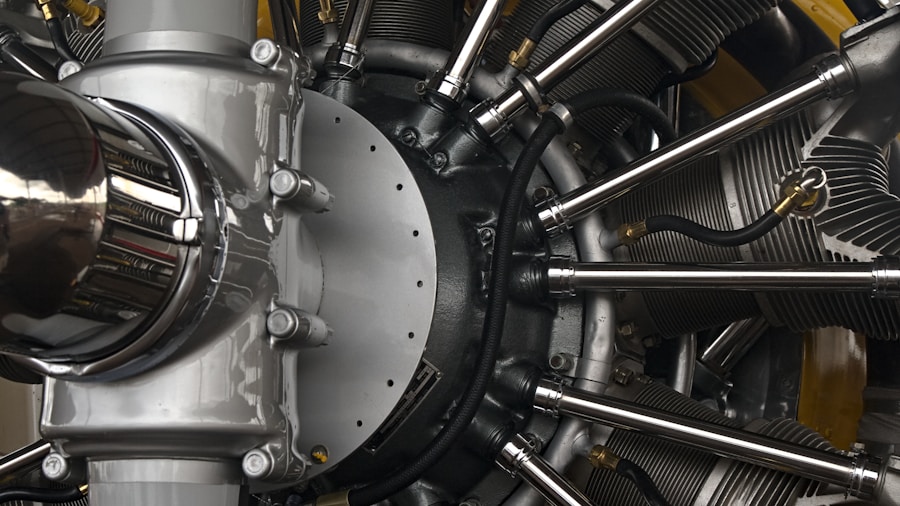
The story of this prototype’s preservation is as compelling as its specs. At several points throughout its history, this unique Mustang faced an uncertain future. Various owners and custodians moved it between locations, and at one critical juncture, it seemed destined for the scrapyard where so many concept vehicles end their journeys. Fortunately, automotive preservationists recognized its historical significance and rescued the car before that fate could occur.
Today, Ford maintains a focus on preserving its heritage while developing future models, and this V10 Mustang is part of the U.S. Heritage Fleet. This collection ensures that important pieces of automotive history remain accessible and protected for future enthusiasts and researchers.
What This Means for Today’s Shoppers
While this V10 Mustang will never be for sale to consumers, its story matters to anyone shopping for performance vehicles today. The prototype demonstrates Ford’s long history of engineering ambition and willingness to experiment with unconventional powertrains. Modern buyers evaluating Ford’s current vehicle lineup can take comfort knowing that the brand has consistently pushed performance boundaries across multiple decades.
The dyno results also highlight how conservative manufacturers often are with power ratings. The gap between the estimated 426 horsepower and the actual 510 horsepower suggests that real-world performance potential frequently exceeds factory specifications. For shoppers considering any high-performance Ford, understanding this history provides context for appreciating modern engineering achievements and the brand’s authentic commitment to performance.











Write Your Review
No reviews yet. Be the first to share your experience!