

Stellantis Pushes Back Major Electrification Plans
Stellantis, the multinational automaker behind Jeep and Ram, has announced delays to several highly anticipated electrified vehicle launches. The company is extending timelines for models that represent a significant shift in how consumers will experience truck and SUV powertrains. This move comes as the automotive industry races to balance consumer demand with the technical realities of bringing new technology to market.
What’s Being Delayed and When
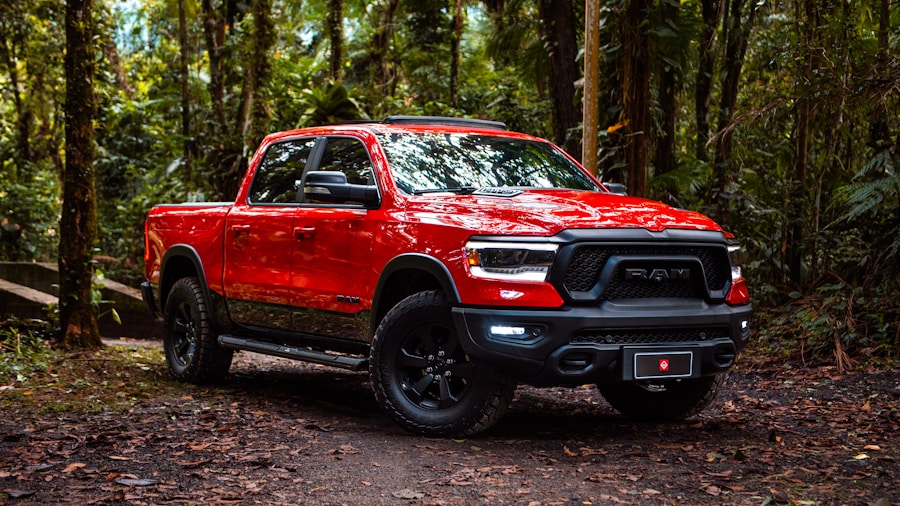
The Ram 1500 REV, an extended range electric vehicle (EREV), was previously scheduled to arrive in mid-2025. That timeline has now slipped to mid-April 2026, marking another postponement for a model that has faced multiple delays. Additionally, the electrified version of the Jeep Grand Wagoneer, initially planned for May 2027, will not reach showrooms until November 2027. These delays represent a significant shift in Stellantis’ product roadmap and affect major segments of the market.
Understanding EREV Technology and Its Importance
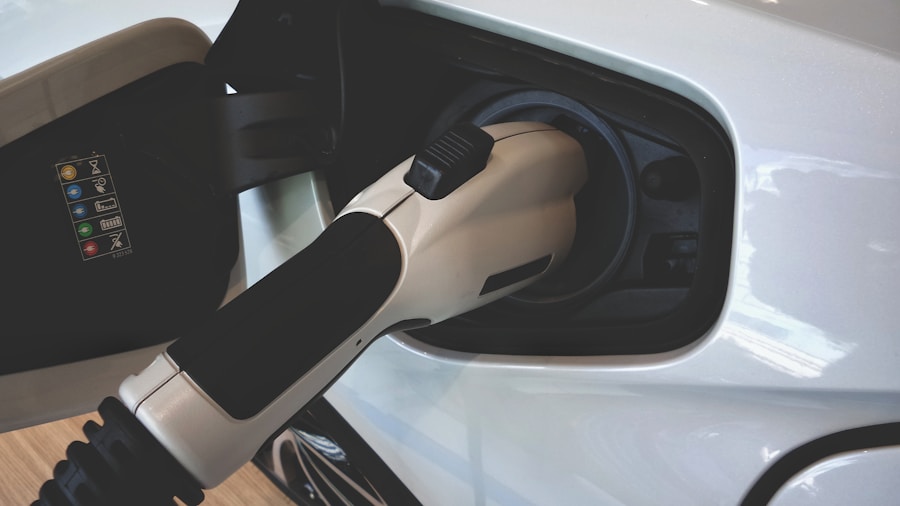
Extended range electric vehicles operate differently than traditional hybrids or full electric cars. These vehicles function as pure electrics during normal city driving, drawing power from their battery pack. When drivers need extended range or faster refueling, a gas-powered generator kicks in to provide additional electricity on demand. This dual approach eliminates the range anxiety that plagues some EV buyers while reducing the emissions associated with conventional internal combustion engines.
The EREV systems Stellantis is developing utilize 400-volt battery technology, which represents an advancement in the capabilities of these hybrid-electric powertrains. Ford’s truck strategy has long focused on customization and consumer choice, and the company is similarly pursuing EREV technology as a bridge between traditional vehicles and full electric offerings. This segment is gaining momentum globally, particularly in China, where consumers have already embraced EREV technology at scale.
Why the Delays Matter to Buyers
According to supplier representatives, Stellantis is delaying these launches to ensure a smooth and reliable introduction of technology that remains relatively new in North American markets. This cautious approach reflects the challenges automakers face when rolling out untested powertrains to mainstream consumers. A problematic launch could damage both the brand and consumer confidence in electrified vehicles more broadly.
The delays also signal a broader industry recalibration. The market for performance-oriented vehicles shows that consumers value reliability and heritage, and this principle extends to new technology as well. Buyers considering switching from conventional powertrains to EREV systems need confidence in durability and support.
What This Means for the Competitive Landscape
Ford has announced aggressive plans to incorporate EREV powertrains across multiple larger trucks and SUV platforms beginning in coming model years. The company views this technology as the optimal intermediate step between legacy internal combustion engines and fully electric vehicles. With Stellantis now extending its own timeline, Ford may gain competitive advantage by bringing EREV options to market on its original schedule, provided no similar delays emerge.
This timing competition matters because early-adopter consumers often influence broader market trends. Whichever manufacturer successfully launches reliable EREV trucks and SUVs first will shape consumer perceptions of the technology and potentially capture market share from competitors.
What Shoppers Should Do Now
If you were anticipating a Ram 1500 REV or an electrified Jeep Grand Wagoneer, you’ll need to adjust your timeline. Those considering conventional hybrid or gas-powered alternatives may find more immediate options available. Conversely, shoppers interested in EREV technology from Ford should research their announced launch dates and specifications.
Current model year trucks and SUVs from both Stellantis and Ford brands continue offering traditional gas and hybrid powertrains. Test-driving these vehicles can help you determine whether EREV technology aligns with your driving patterns once models become available. Extended range electric vehicles work best for drivers who regularly combine short urban commutes with occasional longer trips, making them ideal for many American households.
Vehicle customization and personalization remain important to American consumers, and EREV technology will eventually offer a new dimension of choice in how drivers power their preferred truck and SUV models. The delays announced by Stellantis reflect not a retreat from electrification but rather a commitment to getting the technology right before broader deployment.











Write Your Review
No reviews yet. Be the first to share your experience!