

Royal Enfield has made a bold move in the adventure bike market by introducing not one but two distinctly different Himalayan models. The company unveiled the new Himalayan 440 alongside its previously released Himalayan 450, creating a strategy that acknowledges a simple truth: adventure riders want different things, and no single motorcycle can satisfy everyone.
Why Two Himalayans Make Sense
The adventure bike community is notoriously difficult to please. Enthusiasts who crave more power complain when manufacturers add complexity. Those who love modern technology and upside-down forks dismiss simpler, older designs as outdated. By offering two versions, Royal Enfield is taking a different approach: stop trying to build one bike for everyone, and instead build two bikes for two distinct types of riders.
The Himalayan 440 targets buyers who preferred the original Himalayan formula. It combines a straightforward design philosophy with a modest power bump, offering a bike that feels agricultural in the best sense of the word. Meanwhile, the Himalayan 450 represents the modern end of the adventure bike spectrum, with all the technological bells and whistles that contemporary riders expect.
Himalayan 440 Specifications and Design
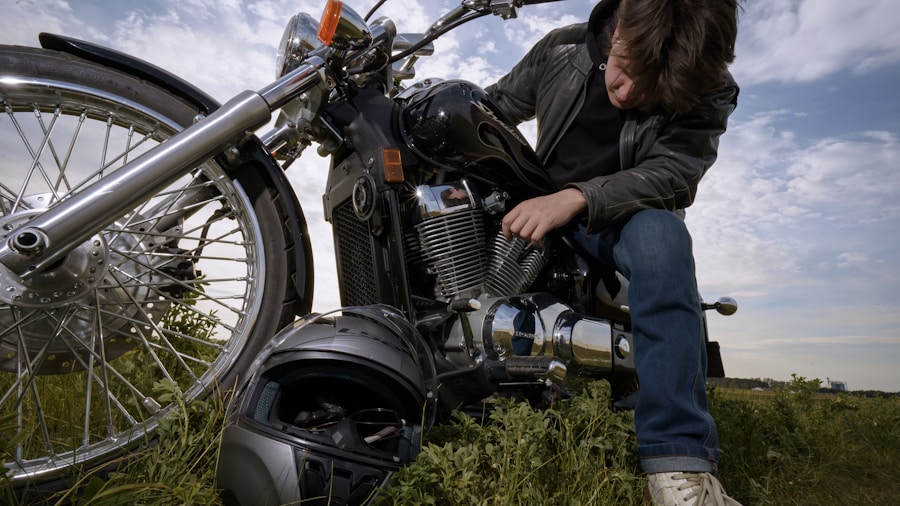
The Himalayan 440 features a 443cc air-cooled, long-stroke single-cylinder engine producing 25.4 horsepower at 6,250 rpm and 25.1 pound-feet of torque at 4,000 rpm. The key advantage is torque delivery: 90 percent of maximum torque is available from just 2,800 rpm, making it practical for both city riding and trail work. A new six-speed gearbox reduces highway fatigue compared to the older five-speed design.
The chassis has been strengthened to handle the extra grunt, and the subframe is beefier with a 22-pound rear rack capacity for adventure luggage. The seat height sits at 31.5 inches with 8.7 inches of ground clearance. The bike retains the original Himalayan’s charming retro touches: tube-type spoke wheels, conventional 41mm forks, and a digi-analog instrument cluster. These aren’t oversights; they’re deliberate design choices.
The Himalayan 450 Difference
The Himalayan 450 operates in an entirely different category. Its 452cc liquid-cooled Sherpa single produces 39.5 horsepower and 29.5 pound-feet of torque, significantly more than the 440. The feature set reflects modern middleweight adventure bike expectations: ride-by-wire technology, selectable riding modes, inverted 43mm forks, and a four-inch TFT display with full map navigation.
For riders planning serious distance work, the 450 is the logical choice. Royal Enfield has already proven the capability of its adventure bikes through partnership tours that demonstrate genuine long-distance credentials. The 450 pursues speed, range, and capability with a more aggressive chassis package designed for challenging terrain.
Price and Positioning
The pricing strategy reinforces the distinct positioning. The Himalayan 440 launched in India at 229,000 rupees, roughly $2,425 at current exchange rates, though Indian pricing may not reflect eventual U.S. costs. This lower price point establishes the 440 as the practical, economical choice for buyers who want reliability and simplicity over technical sophistication.
By keeping prices separated and marketing each bike to its intended audience, Royal Enfield acknowledges that not every adventure rider needs the latest technology. Some want fuel efficiency, easier maintenance, and a connection to a simpler riding experience. Others prioritize performance and modern features. Both camps now have an authentic option.
What This Means for Shoppers
The dual-Himalayan strategy gives buyers genuine choice without forcing them into the wrong bike. Someone shopping for their first adventure bike on a budget won’t feel pressured to stretch their budget for the 450. Conversely, serious adventure tourists won’t feel limited by the 440’s performance envelope.
As the adventure bike market expands with new entrants offering diverse specifications, Royal Enfield’s approach stands out. Rather than replacing the old with the new and moving on, the company is validating that different riders have legitimate preferences. The 440 isn’t a downgraded 450; it’s a different answer to the same question: what makes a great adventure bike?
This strategy could influence how other manufacturers approach model lineups, showing that segmentation within a single nameplate can be smarter than forcing all buyers through a single product vision.











Write Your Review
No reviews yet. Be the first to share your experience!