

When does an electric truck battery actually wear out? A recent real-world case offers a clear answer: much later than many shoppers fear. A 2022 Ford F-150 Lightning with 233,930 miles on the odometer recently required a battery replacement, demonstrating both the durability of modern EV powertrains and the practical reality of long-term electric truck ownership.
The 234,000-Mile Lightning and Its Failed Battery
The truck in question was a Lariat Standard Range model, equipped with a 98-kilowatt-hour battery pack that delivered an EPA-rated 230 miles of range when new. After nearly a quarter-million miles of real-world use, including visible damage from tough driving conditions, the battery finally showed a critical fault. One of the nine modules in the pack developed a severe voltage imbalance between its cells, with some cells holding around 60 percent charge while others dropped to 10 to 15 percent. This kind of cell-level failure can eventually render an entire module unusable.
What makes this case significant is not just that the battery lasted this long, but that the truck remained in service. Ford’s commitment to electric truck development has included serious engineering around battery longevity, and this real-world example backs up industry research showing that most modern EVs retain 90 percent of their original battery capacity after around 93,000 miles.
What the Repair Process Revealed
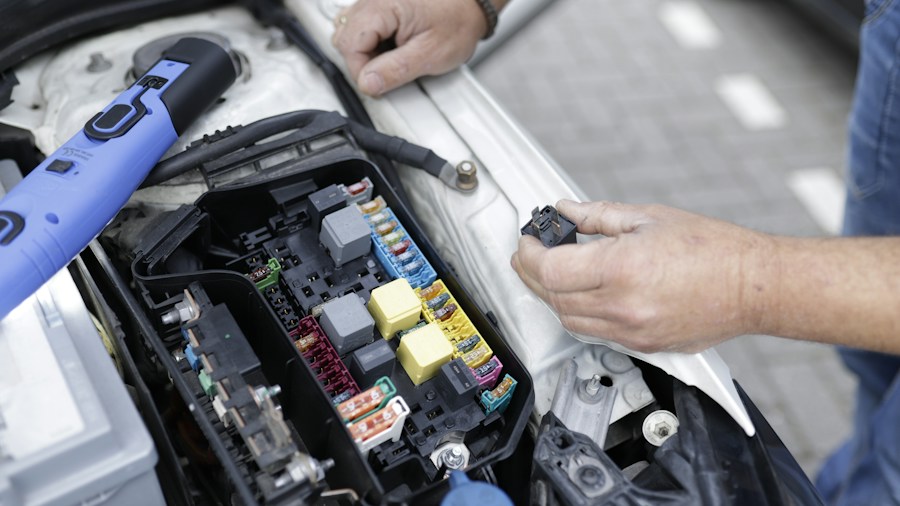
Replacing the battery pack in an F-150 Lightning is not a simple roadside job, but it is manageable. The process requires disconnecting numerous components, removing underbody protection panels, and unbolting the pack itself with eight fasteners. On this particular truck, technicians also had to swap out damaged connectors from the old pack to the replacement unit, adding to the complexity.
One of the key takeaways: finding a replacement battery pack is increasingly straightforward. Used Lightning battery packs are becoming available at reasonable prices, and the repair can be completed with proper equipment and expertise. Rather than replacing just the single failed module, sourcing a complete replacement pack often proves more practical when dealing with a high-mileage truck, since finding a used module in comparable condition to the others on the vehicle is difficult.
The truck’s condition told another story. A cracked windshield, busted rear window, and visible dents and scrapes indicated those 234,000 miles were not easy ones. The battery, however, had kept the truck running through all of it. Like any vehicle, electric trucks face maintenance issues, but battery failure rate appears to be far lower than early EV skeptics predicted.
What This Means for F-150 Buyers Today
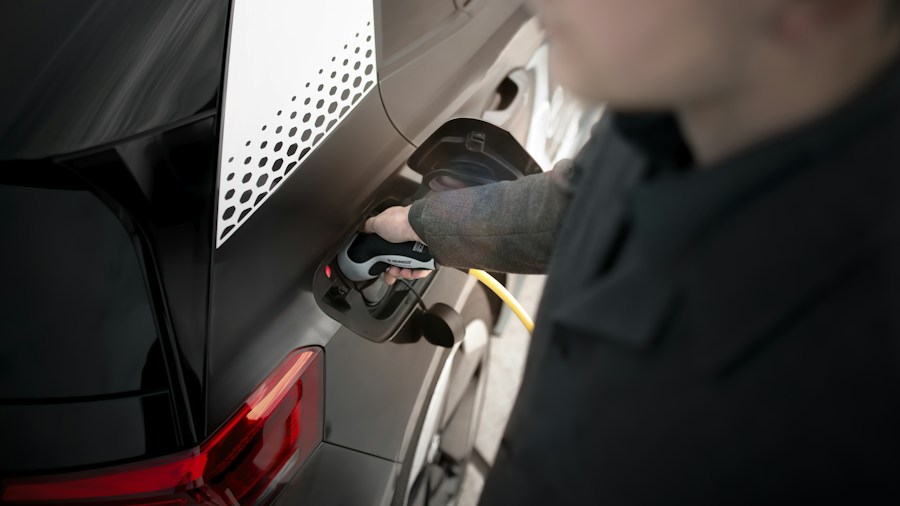
The takeaway for shoppers is important: an F-150 Lightning battery is not a ticking time bomb with a 100,000-mile expiration date. This truck passed that milestone by more than double and still operated well enough to warrant a battery replacement rather than being scrapped. For buyers considering an electric F-150, this real-world example provides concrete evidence that you can plan on owning the vehicle for the long term.
The 2022 Lightning also offered buyers a choice. The Standard Range pack in this truck was the more affordable option, but Ford also offered a 131-kilowatt-hour Extended Range battery that boosted EPA-rated range to 320 miles in Lariat, XLT, and Pro trims. For heavy-use buyers or those concerned about long-term durability, the larger pack offered additional margin before any potential module wear became critical.
The Future of Ford’s Electric Truck Lineup
Ford has ended F-150 Lightning production as of the end of 2025, shifting its electric truck strategy. Rather than an all-electric replacement, the automaker is planning a full-size pickup with a gasoline range extender and a separate smaller all-electric model called the Fathom. Custom builders continue to explore electric truck possibilities, but the manufacturer’s official direction reflects market feedback and Ford’s view of near-term buyer preferences.
For those already owning a Lightning, the availability of used battery packs and the demonstrated longevity of the packs themselves means your truck remains a viable long-term investment. The battery replacement at 234,000 miles cost considerably less than a new truck and proved that major repair infrastructure is developing around these vehicles.
The real lesson here: electric truck batteries are tougher than their reputation suggests, repairs are becoming increasingly practical, and buyer concerns about premature battery failure appear overblown based on real-world performance data.











Write Your Review
No reviews yet. Be the first to share your experience!