

The tire industry continues to evolve with innovations designed to address real-world challenges faced by farmers, vehicle owners, and equipment operators. Recent developments showcase how modern tire engineering now focuses on managing heavy loads while protecting soil integrity and improving fuel efficiency across multiple vehicle types and applications.
Very High Flexion Tires Transform Agricultural Work
A major breakthrough in agricultural tire technology centers on Very High Flexion, or VF, tire designs that fundamentally change how heavy machinery interacts with farmland. These tires are engineered with a larger contact patch, which distributes weight more evenly across the soil surface. The result is reduced soil compaction, a persistent problem that degrades long-term farm productivity and land value.
What makes VF technology remarkable is its dual benefit: operators can either increase load capacity by up to 40 percent while maintaining the same tire pressure, or they can reduce inflation pressure by up to 40 percent while carrying identical loads. This flexibility addresses the core tension in agriculture between productivity and environmental stewardship. Family tire shops and independent dealers now stock these solutions for customers managing high-horsepower tractors, combines, row-crop equipment, and spraying operations.
Current VF tire models available to consumers include options specifically engineered for tilling and soil preparation, harvesting operations, and material handling. Specialized variants also serve row-crop and spraying applications, reflecting how differentiated modern agricultural tires have become. For producers focused on maximizing productivity while minimizing environmental impact, these advances represent a significant shift in what tire technology can deliver.
Load Capacity and Pressure Benefits Extend Across Vehicle Types
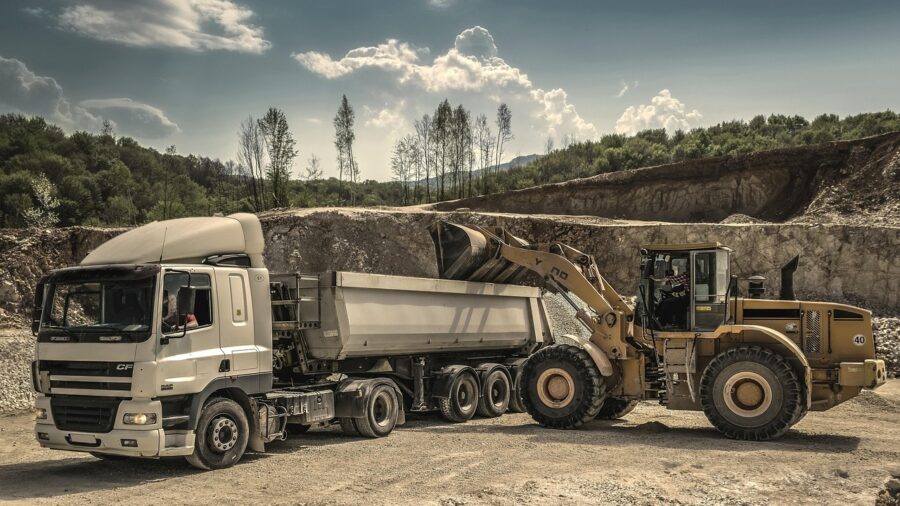
The advantages of VF tire technology extend beyond row-crop farming. Similar design principles now appear in tires serving transport and material-handling operations. The engineering principle remains consistent: a larger, more intelligent contact patch manages stress more effectively than traditional tire designs. This approach has proven effective for users operating high-horsepower equipment on varied terrain who need reliable performance without sacrificing equipment longevity or soil health.
Tire industry executives emphasize that these innovations stem from direct feedback with operators and dealers in major agricultural regions. Understanding local conditions, soil types, and operational demands allows manufacturers to engineer solutions that perform reliably in real field conditions rather than laboratory ideals.
Winter Tire Innovation Focuses on Safety and Efficiency
Beyond agricultural applications, the broader tire industry is advancing winter tire technology for everyday drivers. Next-generation winter tires now combine enhanced snow traction with improved wet-road braking and fuel efficiency. These studless designs target both safety and economy, addressing the dual concerns of drivers navigating harsh seasonal conditions.
Winter tire buyers benefit from engineering that prioritizes dependable control throughout extended cold seasons. Enhanced grip on snow-covered surfaces, stronger wet-braking performance, and improved tread-life management mean drivers get more months of reliable service per tire set. This engineering approach reflects how tire manufacturers now balance safety, efficiency, and value in their core consumer offerings.
Expanded Size Ranges Make Specific Tires More Accessible

Tire availability has improved substantially across multiple categories. All-season touring tires now come in 85 or more sizes, covering the vast majority of crossover and SUV market segments. Off-road and terrain tires have similarly expanded their size lineups, ensuring that shoppers with specialized vehicles have access to appropriate options. Manufacturers continue developing custom tire solutions tailored to emerging vehicle platforms and specific performance requirements.
For consumers shopping for tires, expanded size availability means faster delivery times, better inventory management at local dealers, and increased competitive pricing. When multiple manufacturers offer tires in your exact size specification, pricing pressure increases and customer choice improves. This benefits vehicle owners across all segments, from compact car drivers to full-size truck operators.
What This Means for Your Next Tire Purchase
These industry advances translate into tangible benefits when you shop for tires. If you operate agricultural equipment or heavy machinery, VF tire technology offers genuine productivity gains and soil protection that justify consideration. For everyday drivers facing winter conditions, the latest tire engineering delivers measurable improvements in safety and efficiency. Expanded size ranges mean you have more options and better price competition regardless of your vehicle type.
When evaluating tire options, discuss your specific usage patterns with your tire dealer. Whether you prioritize load capacity, reduced soil impact, winter safety, or fuel economy, current tire technology offers solutions designed with those priorities in mind. The tire industry’s recent focus on balancing performance with environmental and economic concerns means today’s tire choices better align with how modern operators and drivers actually use their vehicles.











Write Your Review
No reviews yet. Be the first to share your experience!