

When a fleet manager purchases a tire, they are not simply buying rubber to fit a wheel. They are making a choice that ripples through operations in fuel costs, vehicle uptime, safety and long-term value. Understanding how tire selection connects directly to job performance can help both commercial buyers and individual consumers make smarter purchasing decisions.
The Job Comes First, Not the Size
A truck running daily highway routes requires a fundamentally different tire than one making frequent stop-and-go city deliveries or working construction sites. Yet many buyers approach tire shopping backward, starting with size and stopping there. The right approach begins with a clear question: what work is this vehicle actually doing?
Long-haul operations prioritize even tread wear, fuel efficiency, predictable handling and casing durability. The tire needs to perform consistently across thousands of miles. Regional and urban fleets face different pressures: scrub resistance matters more when trucks make frequent turns in tight spaces, sidewall protection becomes critical when curb contact is unavoidable, and wet-weather traction supports safer deliveries in variable conditions.
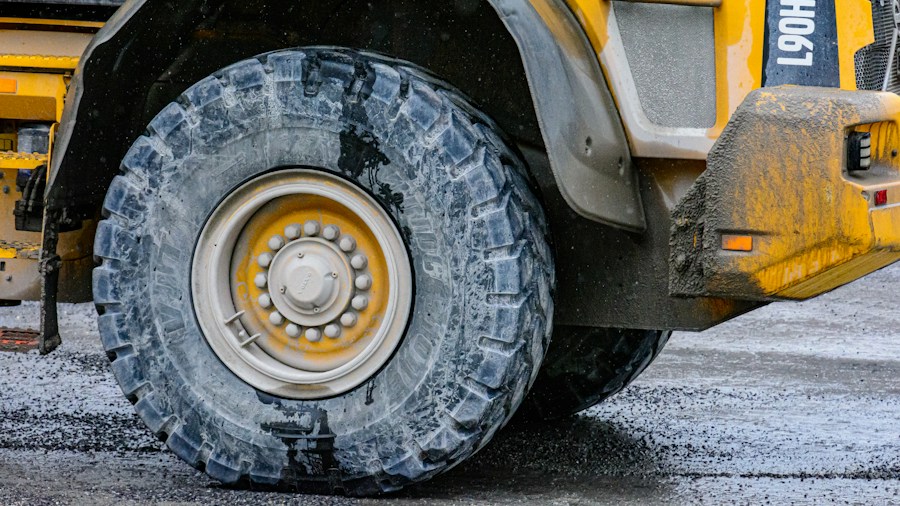
Mixed-service and vocational applications like construction, waste management and logging demand something else entirely. Stone drilling, cuts, sidewall impacts and rough terrain require tire technology that provides both protection and performance under demanding conditions.
The practical value a tire retailer brings is translating product features into real operating outcomes: actual mileage gained, fuel economy improvements, reduced traction issues, extended casing life and dependable uptime.
Why Position Specific Tires Matter

Steer tires, drive tires and trailer tires face completely different stresses and therefore should not be the same tire. A steer tire must support precise handling and even wear over extended service. A drive tire handles traction demands and acceleration stress. A trailer tire operates under different weight distribution and rolling patterns.
For long-haul service, where small differences compound across thousands of miles, position specific design becomes measurably valuable. Tread patterns, compound formulations and internal structures engineered for each position deliver better results than a one-size-fits-all approach.
In regional and urban environments, the conversation shifts toward specifics. What damage patterns is the fleet actually experiencing? Are tires failing due to curb abrasion, sidewall cuts or irregular wear? The right tire recommendation addresses the actual failure mode, not a generic category. When tire shops understand customer needs deeply, they can match specific features to specific challenges.
Casing Value Starts With the Original Purchase
For commercial fleets, retreadability is not a separate conversation that happens years later. It begins the moment a tire is selected. A tire designed with even wear characteristics, stone resistance, sidewall durability and efficient heat management preserves casing value from day one.
Long-haul tires that maintain uniform tread wear and minimize heat buildup support longer casing life. Regional tires built with sidewall protection resist the curb damage that destroys casings before they can be retreaded. Mixed-service tires featuring chip and cut resistance, stone ejectors and protective compounds help casings survive rougher operating conditions intact.
This principle extends to tire warranties and coverage programs. A tire backed by a 10-year warranty covering workmanship and materials, plus a casing replacement program supporting multiple retreads, represents genuine lifecycle value. The recommended tire matters not just for this service cycle but for years of potential performance.
Beyond Price Comparison Shopping
Buyers understandably care about price. Price matters, and it should. However, the tire that appears cheapest on paper frequently costs more in the field. Tire professionals understand how executive leadership drives better retail decisions by connecting product performance to measurable outcomes.
A better tire selection conversation accounts for total cost of ownership: mileage performance, fuel efficiency gains, traction reliability, casing durability, retread potential, damage resistance and application fit. These factors determine whether a tire truly saves money or merely costs less initially.
For commercial operators, poor tire selection creates hidden costs. Wrong tires for the application wear faster, compromising casing value. Inadequate traction increases accident risk and insurance exposure. Frequent tire failures interrupt routes, delay deliveries and damage customer relationships. Optimal tire selection prevents these problems before they start.
Matching Tire to Application Delivers Real Value
Whether you manage a commercial fleet or purchase tires for personal use, the selection process should start with honest assessment of how the vehicle will actually operate. What conditions will it face regularly? What failure modes should you most guard against? What performance metrics matter most for your specific use?
Once those questions are answered clearly, tire selection becomes logical rather than complicated. The tire recommended for your application is the tire built to perform in your application. That is where genuine value lives, not in price listings or marketing claims, but in the actual performance delivered across months and miles of real world operation.











Write Your Review
No reviews yet. Be the first to share your experience!