

General Motors is bringing back V8 power to the Chevy Silverado and GMC Sierra for 2027, a move that has traditionalist truck enthusiasts cheering. However, one significant change is already drawing criticism: the new 5.7-liter and 6.6-liter V8 engines will not include a traditional oil dipstick. Instead, drivers will need to rely on a digital oil level gauge displayed through the vehicle’s onboard system.
While it might seem like a minor detail, this decision represents a broader shift in how modern trucks handle routine maintenance. Understanding what this means for your ownership experience is important before you make a purchase decision.
The V8 Engine Lineup Returns
The 2027 model year marks a significant moment for Chevy and GMC truck buyers. After years of the industry trending toward turbocharged smaller-displacement engines, GM is doubling down on traditional V8 technology. The half-ton Silverado and Sierra will offer both a 5.7-liter and a 6.6-liter V8 option, giving customers a genuine choice between power levels in their preferred engine configuration.
This development has been widely welcomed by buyers who prioritize engine displacement and the proven reliability associated with larger naturally aspirated V8s. However, the company’s cost-cutting approach to how drivers monitor their oil tells a different story.
Why the Digital Gauge Matters
The removal of the oil dipstick on V8-equipped models is part of a larger industry trend toward digital-only vehicle systems. GM confirmed that both the 5.7-liter and 6.6-liter V8s will ship without a physical dipstick from the factory. Interestingly, the smaller 2.7-liter TurboMax four-cylinder and the 3.0-liter Duramax diesel engine in the same truck will still retain traditional dipsticks, highlighting an inconsistent approach across the lineup.
This isn’t unique to Chevrolet. Competing brands including Ram have also eliminated dipsticks from their latest full-size truck offerings. Yet for a vehicle segment historically associated with durability, simplicity, and straightforward DIY maintenance, the move feels particularly questionable. Silverado owners have already faced their share of oil-related concerns, making oil monitoring an especially relevant topic for this audience.
The Digital Alternative: How It Works
Instead of manually pulling a dipstick, you’ll navigate to an oil level display on your Silverado’s infotainment screen. Digital systems offer certain advantages: they eliminate the need to get your hands dirty and provide a numerical reading rather than a visual estimation. Some drivers find this method more precise and convenient.
The potential drawback is obvious: if the digital system malfunctions or fails, you lose a critical maintenance tool. A traditional dipstick is mechanical and reliable by nature. If it breaks, replacement costs just a few dollars and takes minutes to install. A faulty digital gauge requires a service visit and potential software troubleshooting, adding time and expense to an otherwise routine check.
GM’s Cost-Cutting Pattern
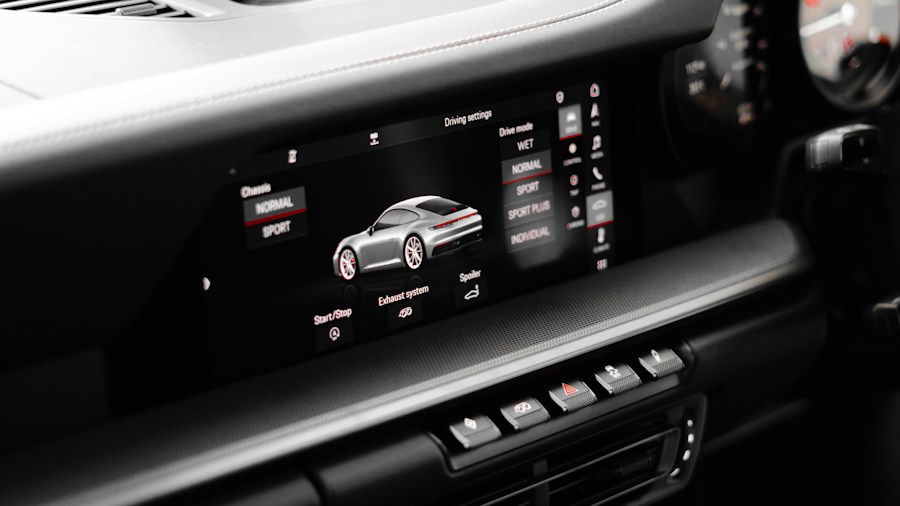
This decision aligns with broader design choices GM has made to reduce manufacturing expenses. In current-generation Chevy Colorado and GMC Canyon models, the company eliminated physical headlight controls entirely, requiring drivers to adjust lights through the touchscreen interface. Both decisions likely stem from the same objective: lowering production costs by removing physical components and shifting functions to software.
While such consolidation makes financial sense for the manufacturer, truck buyers should understand what’s being traded away. Physical controls and mechanical backup systems have served pickups well for decades because they simply work, with or without computer involvement.
What This Means for Your Purchase Decision
If you’re seriously considering a 2027 Silverado V8, this shouldn’t be a dealbreaker by itself. Modern vehicles include comprehensive diagnostic systems, and a digital oil gauge will likely function adequately throughout your vehicle’s ownership period. However, it’s worth noting as part of your evaluation, especially if you value simplicity and mechanical reliability.
The decision also suggests where GM’s engineering priorities lie. The 2027 Silverado Heavy-Duty is receiving more powerful engines for 2027, indicating that power and performance updates have received significant development attention. Traditional owner-maintenance conveniences appear to have been deprioritized in favor of cost management and technology integration.
As you evaluate the new V8 Silverado lineup, factor this detail into your overall assessment. If you plan to perform your own basic maintenance or prefer the peace of mind that comes with mechanical simplicity, you may want to test the digital oil-checking system during a dealership visit to ensure it meets your expectations.











Write Your Review
No reviews yet. Be the first to share your experience!