

Thermal barrier coatings have emerged as a game-changing innovation for engine builders and performance enthusiasts looking to maximize reliability and power output. A ceramic-metallic piston crown coating works by reflecting combustion heat back into the engine chamber rather than allowing that intense temperature to transfer directly into the piston itself. This fundamental shift in how heat is managed inside the combustion zone offers multiple tangible benefits for anyone serious about engine longevity and performance.
How Thermal Barrier Coatings Protect Your Piston
At its core, a thermal barrier coating functions as a heat shield for your piston. The ceramic-metallic compound bonds to the piston crown and creates a reflective surface that bounces thermal energy away from the metal substrate. This keeps combustion gases hotter longer, which actually improves engine efficiency and combustion quality. Meanwhile, the piston itself stays significantly cooler than it would without the coating, reducing thermal stress and extending the working life of this critical component.
The benefits become especially apparent in high-performance applications. Cooler running pistons are less susceptible to skirt collapse, a destructive failure mode that occurs when extreme heat causes the piston walls to buckle under the stress of combustion pressure and cylinder wall contact. For enthusiasts pushing their engines to the limit with boost or nitrous oxide, this protection translates directly to improved reliability during extreme running conditions.
Expanded Applications Beyond the Piston Crown
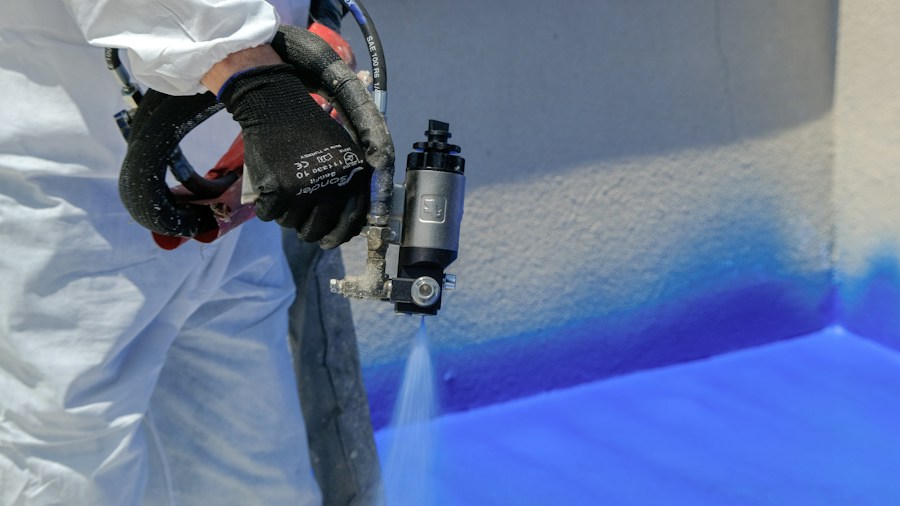
Modern thermal barrier coatings are not limited to just the piston crown. Engine builders can apply this same protective technology to valve faces and stems, exhaust ports, and even the combustion chamber walls themselves. This comprehensive approach to heat management creates a more thermally stable engine overall. When multiple combustion chamber surfaces are protected with thermal barriers, the entire system operates at lower average temperatures while maintaining hotter combustion gas temperatures, a paradox that delivers real power improvements.
For two-stroke engine tuning, this capability opens new possibilities. Because the piston runs cooler thanks to the coating, operators can lean out the fuel mixture slightly for additional power output without risking piston damage from overheating. This fine-tuning capability gives builders more flexibility when extracting maximum performance from small-displacement engines.
Real-World Performance Gains
The performance advantages extend across multiple engine types and applications. Whether you’re building a street rod, a competition drag racing engine, or a high-output performance vehicle, thermal management directly impacts reliability. A cooler running piston means reduced expansion, tighter piston-to-cylinder-wall clearances that remain consistent throughout the power cycle, and ultimately longer intervals between rebuilds.
For builders working with aggressive power adders, thermal barrier coatings represent insurance. Pairing thermal coatings with modern cylinder heads engineered for boost and nitrous applications creates a comprehensive thermal management strategy. The coating complements modern hardware by reducing thermal load on all combustion chamber surfaces simultaneously.
Who Should Consider This Technology
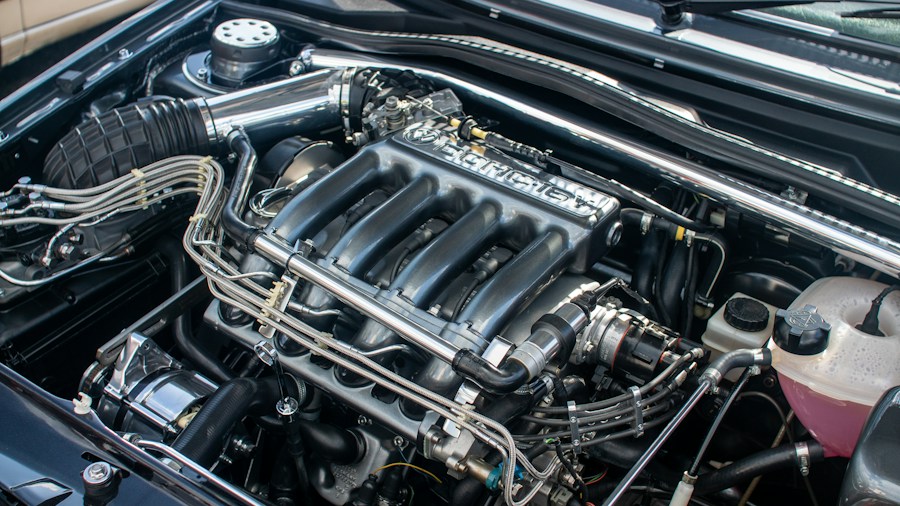
Thermal barrier piston coatings make the most sense for builders pursuing high-performance goals or planning extended high-load engine operation. Street enthusiasts who simply want maximum durability and reliability will benefit, but the real value proposition emerges for competition engines, boosted applications, and any scenario where the engine regularly operates at elevated temperatures and pressures.
Cost is a legitimate consideration. Coating services add expense to piston preparation, but the extended component lifespan and improved reliability often justify the investment over the life of the engine. For critical competition engines or builds intended for years of hard use, the protection premium pays dividends.
Implementation and Professional Application
Thermal barrier coatings require professional application by specialists equipped with the proper coating materials and spray equipment. This is not a DIY modification. The coating thickness, adhesion, and consistency directly affect performance, so working with experienced coating providers ensures optimal results. Many machine shops and engine builders now offer coating services or can recommend trusted specialty providers.
The technology represents a meaningful advancement in engine durability science. By addressing heat transfer at the combustion chamber level, thermal barrier coatings tackle one of the fundamental stress factors that limit piston life and reliability. Whether you’re planning a modest performance upgrade or an all-out competition build, understanding this protective technology helps you make informed decisions about your engine’s long-term survival and power potential.











Write Your Review
No reviews yet. Be the first to share your experience!