

The Persistent Myth About Old Transmission Fluid
For decades, a troubling rumor has circulated through automotive communities: if your vehicle’s transmission service is significantly overdue, you should avoid changing the fluid. The theory behind this warning is that fresh fluid might cause harsh shifting, poor transmission behavior, or even catastrophic failure. But is this myth grounded in reality, or does it mislead drivers into skipping crucial maintenance?
The answer matters more than ever, especially as transmission technology has evolved dramatically. What may have been a legitimate concern on older vehicles simply does not apply to modern transmissions, yet the myth persists and continues to influence driver decisions.
Where the Myth Came From
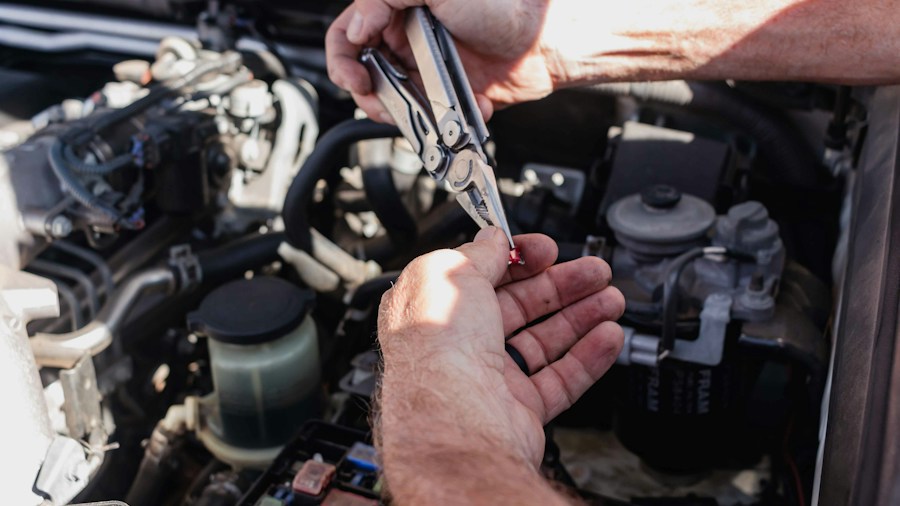
This warning did not emerge from nowhere. Older transmission systems operated under different engineering constraints, and fluid composition played a more direct role in shift quality. When technicians replaced aged fluid with fresh product in these legacy transmissions, the new fluid’s friction characteristics sometimes differed noticeably from the original. This difference could alter how clutch plates engaged during shifts, occasionally resulting in harsher or more noticeable gear changes.
The problem was compounded by the limited electronic control available in older systems. These transmissions lacked sophisticated monitoring capabilities, so once a shift characteristic changed, there was little the system could do to compensate or adapt. Drivers would feel the difference immediately, sometimes finding it uncomfortable or alarming.
How Modern Transmissions Changed the Equation
Today’s electronically controlled transmissions operate in a completely different world. Modern systems incorporate input and output speed sensors that continuously monitor shift behavior in real time. If a shift becomes harsh or the transmission begins to slip, the transmission control system automatically adjusts operating pressures and shift timing to correct the problem.
This adaptive capability means that fresh fluid’s different friction characteristics are not a liability but rather something the transmission’s computer can seamlessly accommodate. The system learns, adjusts, and maintains acceptable shift quality without driver intervention. Modern engines shift to lighter motor oil for improved efficiency, and transmissions have evolved with similar sophistication to ensure peak performance across varying conditions.
Contamination Concerns: Another Part of the Old Story
Another dimension of the transmission fluid myth involves contamination. Some people mistakenly believe that metallic particles and worn clutch material suspended in old fluid actually contribute extra friction that helps a worn transmission continue operating. In other words, the thinking goes, dirty fluid keeps a failing transmission alive.
Reality tells a different story. Transmission filters capture much of the harmful debris circulating through the system. Modern transmissions go further by incorporating internal screens and additional filtering points designed to prevent larger particles from moving freely throughout the hydraulic circuit. This multi-stage filtration approach protects internal components from the very contamination that the myth suggests might be beneficial.
What Fresh Fluid Actually Does
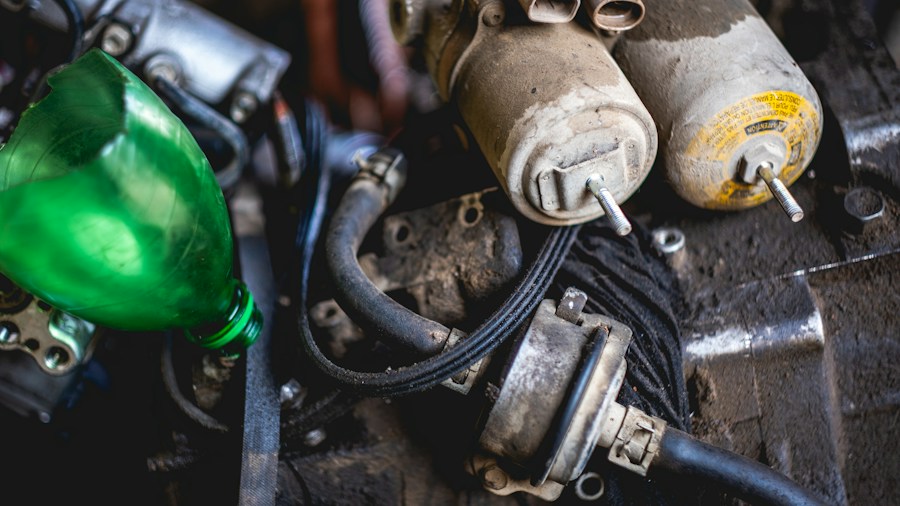
When transmission service becomes due, changing aged fluid and servicing the transmission filter restores the fluid characteristics and filtration that manufacturers designed the transmission to use. This is straightforward preventive maintenance, not a risky gamble.
The key insight is that fresh fluid cannot repair existing mechanical damage. If a transmission’s internal components are already severely worn, symptoms or outright failure may occur regardless of whether the fluid is replaced. In such cases, the underlying mechanical condition is the real problem, not the decision to service the fluid. Fresh fluid simply provides the transmission with the operating environment it needs to function as intended.
What Shoppers Should Do
If your vehicle is significantly past its recommended transmission service interval, the decision should be based on the actual condition of your transmission, not on an outdated fear about what fresh fluid might do. Modern adaptive transmission controls are far more capable than earlier designs at accommodating normal fluid changes and variations that occur as your transmission ages.
Consult your owner’s manual for the manufacturer’s recommended service interval. If you are overdue, a transmission service typically includes fluid replacement and filter servicing. This routine maintenance helps protect your investment and keeps your transmission operating reliably for years to come.
The old myth about the dangers of replacing overdue transmission fluid deserves to be retired. Modern transmission technology has rendered this concern obsolete, and sticking with outdated information could lead you to neglect important maintenance that your vehicle actually needs.











Write Your Review
No reviews yet. Be the first to share your experience!