

Electric vehicle adoption is surging across regional Australia, but a critical gap remains: reliable fast-charging infrastructure in tourist destinations and rural towns. A recent community event in Kingaroy, Queensland, highlighted both the progress and persistent challenges facing EV drivers who venture beyond major cities.
The Rural Charging Challenge
Kingaroy, a town of about 10,000 people located roughly 135 miles northwest of Brisbane, sits at the crossroads of two scenic mountain highways popular with tourists. The location would seem ideal for an EV charger stop, yet visitors have struggled to find working fast-charging options. Until recently, the area’s only fast charger had been non-functional for several months, leaving travelers with no practical option to recharge during their journey through Queensland’s inland tourist routes.
This infrastructure gap has real consequences for EV adoption in regional areas. Without dependable charging access, potential buyers in rural regions face legitimate concerns about vehicle practicality. A local mayor noted that her weekly driving needs of roughly 750 miles, often away from home, currently make hybrid vehicles more sensible than pure electric cars, underscoring how charging availability directly influences purchasing decisions.
Growing EV Interest in Regional Communities

The good news: EV adoption is accelerating rapidly in Queensland’s regional areas, sometimes outpacing city growth rates. Recent data shows the Western Downs region experienced a 97.8% increase in EV ownership year-over-year, followed by Gladstone at 95.6% and Somerset at 87.2%. This contrasts sharply with Brisbane’s 43.4% increase, suggesting rural residents are embracing electric vehicles at an impressive pace when they feel confident doing so.
At the Kingaroy event organized by the Australian Electric Vehicle Association, over 20 electric vehicles gathered for a community meet-and-greet. Attendees traveled from Mackay, Gympie, the Sunshine Coast, Toowoomba, and Brisbane, demonstrating genuine grassroots interest. Popular models included Teslas and BYD Atto 3 vehicles, with several Hyundais, Kias, Mini Cooper EVs, and other brands represented. Public response remained steady throughout the day, with locals asking questions and expressing interest in electric vehicle technology and ownership. Notably, one owner brought a Tesla towing a caravan, illustrating how modern EVs increasingly suit touring and towing applications once considered exclusive to traditional fuel vehicles.
What Fast Charger Infrastructure Means for Shoppers
For consumers evaluating EV purchases, the availability of fast charging in your region directly impacts vehicle practicality and resale value. Fast charging networks are expanding to prioritize availability, making it important to research specific charger locations along your typical driving routes before buying.
The charging situation in regional tourist towns also reveals a fundamental business question: who should fund public chargers? Local councils, state governments, federal initiatives, and private businesses all play potential roles. Successful models likely involve shared funding, similar to the transformation happening at gas stations across Europe, where traditional fuel retailers are installing chargers to remain competitive.
Regional Infrastructure Improvements Ahead
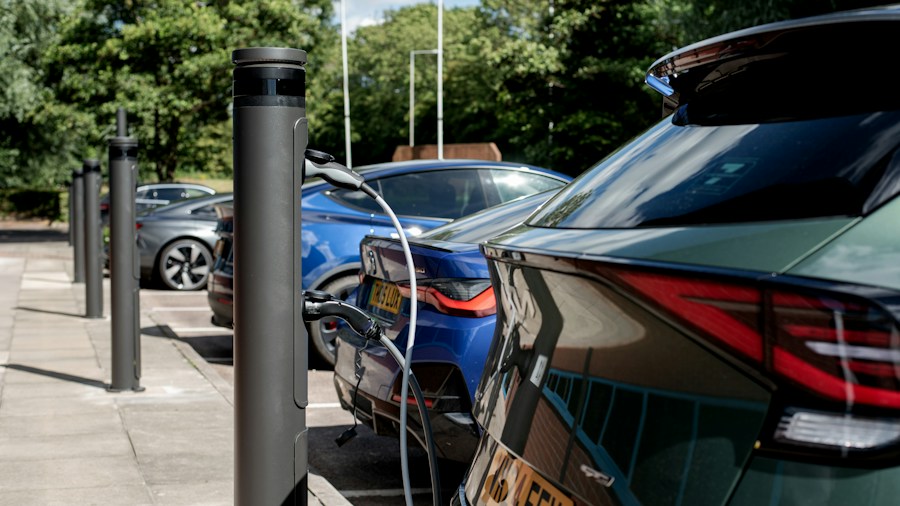
The fact that Uluru (Ayers Rock) in Australia’s remote interior now features high-speed charging demonstrates that rural and regional locations can support EV infrastructure when properly planned. If a charger can function reliably in the heart of the red desert, similar installations should be feasible in accessible tourism areas like Kingaroy and other popular routes.
Industry advocates emphasize that as EV uptake increases throughout rural Australia, consistent maintenance and strategic planning are essential. When a fast charger breaks down and remains non-functional for months, it damages local tourism potential and undermines confidence in EV ownership for regional drivers. Modern fast charging technology is improving constantly, meaning rural areas deploying chargers now benefit from latest-generation reliability and efficiency.
Bottom Line for EV Shoppers
If you live in or frequently travel through regional areas, research the charging landscape before purchasing an EV. Look for town partnerships with charging networks, upcoming infrastructure projects, and existing charger maintenance records. Regional EV adoption is accelerating rapidly, and infrastructure is improving. However, your purchasing decision should account for current charging availability along your actual driving patterns. As tourism-dependent towns recognize that EV-driving visitors represent economic opportunity, expect faster expansion of reliable fast-charging networks in popular inland destinations.











Write Your Review
No reviews yet. Be the first to share your experience!