

The Defense Industry Shift Reshaping Automakers
General Motors has just landed a significant partnership with Lockheed Martin to manufacture critical components for advanced missile systems. This move marks a turning point in how traditional automakers are diversifying their revenue streams, and it signals an important shift in the industry that impacts both shareholders and everyday car shoppers.
The agreement, finalized last month, tasks GM Defense with supplying precision-fabricated components for the PAC-3 Missile Segment Enhancement interceptor missile. What makes this deal particularly noteworthy is GM’s production speed. Components that typically require months or even years to manufacture were delivered in just 22 days, demonstrating the company’s manufacturing prowess and ability to scale production quickly.
Why Automakers Are Moving Into Defense
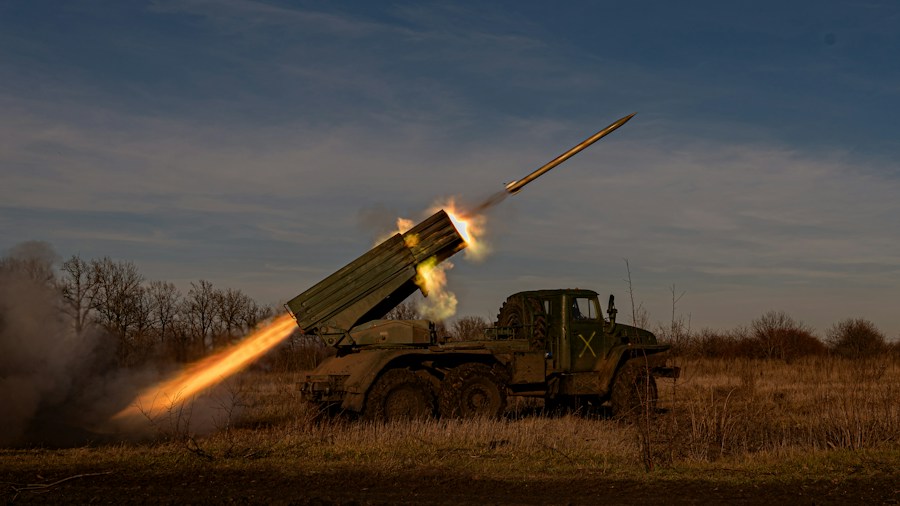
Both Ford and GM are actively pursuing military and defense contracts as a hedge against the softening new vehicle market. The automotive sector faces headwinds from slower consumer demand, making diversification into high-value defense work an attractive strategy. With billions of dollars potentially at stake, these contracts represent a significant opportunity for growth beyond traditional passenger and commercial vehicles.
GM’s partnership with Lockheed Martin exemplifies this pivot. The arrangement allows GM to leverage its world-class manufacturing infrastructure, quality control systems, and production capabilities for defense applications. For Lockheed Martin, the partnership means faster delivery times and increased manufacturing capacity for mission-critical defense systems.
While Ford trucks and commercial vehicles have dominated various market segments, the company has been slower to capitalize on the defense manufacturing opportunity compared to its cross-town rival.
What This Means for Vehicle Buyers
The implications for car shoppers are more nuanced than they might initially appear. When major automakers generate revenue from defense contracts, that capital can potentially be reinvested into vehicle development, manufacturing efficiency, and pricing strategies. However, the competitive pressure between Ford and GM in securing these lucrative contracts could influence how aggressively each company pursues various vehicle segments.
Additionally, GM’s successful foray into defense manufacturing may signal investor confidence in the company’s operational capabilities. This could translate to better financing options, enhanced vehicle development cycles, and improved quality control across the company’s automotive lineup. Recent pricing data shows Ford vehicles continue experiencing upward pressure, making GM’s diversified revenue strategy potentially advantageous for cost management.
The speed at which GM delivered components also reveals something important about manufacturing capacity. When automakers prove they can manufacture complex precision parts rapidly, it demonstrates underlying production efficiency that can benefit regular vehicle manufacturing as well.
The Competitive Landscape Ahead

Ford’s position in this emerging defense manufacturing space remains unclear. The company has substantial manufacturing capabilities and defense industry relationships, but GM has secured a high-profile deal that showcases its ability to deliver under tight timelines. This competitive gap could influence how each company invests in future manufacturing facilities and technology.
Both companies maintain significant interests in military vehicle contracts, having pitched various models to government and international buyers. The PAC-3 component deal simply extends GM’s defense sector involvement beyond vehicles into critical weapons systems.
Industry observers note that these defense partnerships often require specialized certifications, security clearances, and dedicated manufacturing facilities. The fact that GM can rapidly scale production suggests the company has already invested in these capabilities. Whether Ford pursues similar arrangements will depend on strategic priorities and available capital. Ford continues evaluating which markets and products warrant expansion, and defense manufacturing could factor into those decisions.
Bottom Line for Shoppers
The takeaway for car buyers is that automakers are reshaping their business models in response to market conditions. GM’s defense manufacturing partnership signals financial strength and manufacturing excellence. For consumers considering which automaker to support, these types of strategic moves can indicate long-term stability and investment in quality production standards.
Whether shopping for a new truck, SUV, or sedan, understanding that these companies are diversifying revenue helps explain corporate decisions around pricing, feature development, and product cycles. As the automotive industry evolves, these defense sector partnerships may become increasingly common, influencing how traditional car companies compete and invest in their future.











Write Your Review
No reviews yet. Be the first to share your experience!