

Major Brake Caliper Expansion Brings More Vehicle Coverage to Market
The aftermarket automotive parts industry continues to evolve, and a significant development just announced will impact how consumers and repair shops access brake system components. DRiV, a leading supplier of vehicle components and systems, has expanded its Wagner brand brake caliper lineup with the addition of 547 new stock keeping units, bringing the total portfolio to approximately 1,100 SKUs. This expansion represents a meaningful shift in how replacement calipers are manufactured and distributed across the United States.
The timing of this announcement matters for anyone looking to maintain or repair their vehicle’s braking system. Beginning in September 2026, these new calipers will become available through distributors, retailers, and repair facilities nationwide. Most part numbers will ship immediately upon release, with remaining applications rolling out throughout the month. For consumers and shop owners alike, this means faster access to brake components for a wider range of vehicle applications, particularly for high-volume models on the road today.
What Sets These New Calipers Apart
One of the most important distinctions in this product expansion is the manufacturing approach. Unlike many aftermarket calipers currently available, Wagner’s new units are 100% new, not remanufactured. This fundamental difference affects both the buying experience and vehicle maintenance process in several meaningful ways.
Remanufactured calipers require core charges and core returns, which adds administrative complexity and inventory management challenges for repair shops. The new Wagner calipers eliminate this requirement entirely. This streamlined approach reduces paperwork, simplifies the return process, and helps repair facilities manage their stock more efficiently. For consumers, this can translate to smoother transactions and potentially lower overall costs, since core return logistics are removed from the equation.
Additionally, these new calipers feature a protective coating designed to resist rust, which is critical for brake system longevity and performance. Rust degradation can compromise caliper function over time, so this added protection provides genuine value for long-term reliability. When paired with quality brake pads and rotors, a well-maintained caliper system supports safer braking performance throughout a vehicle’s service life.
Understanding Brake Caliper Importance
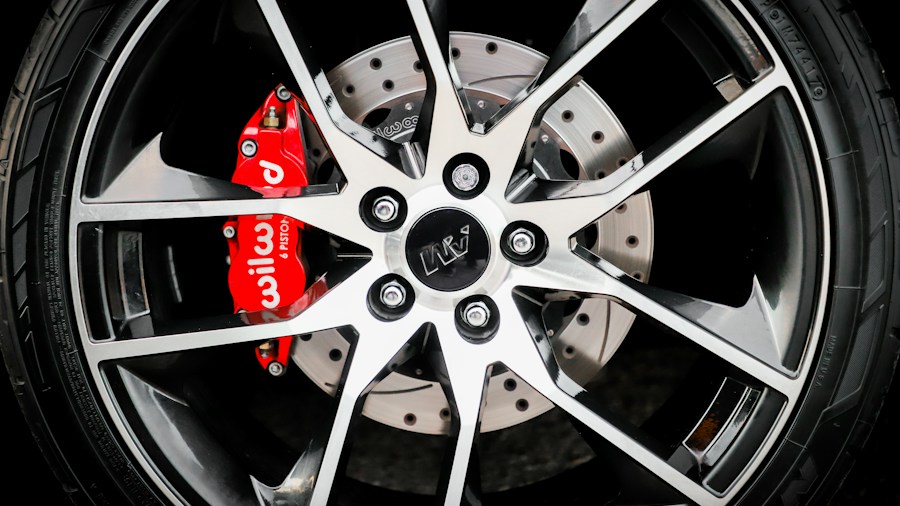
For consumers unfamiliar with brake system components, a caliper is a critical part of the disc braking system found on most modern vehicles. When you press the brake pedal, hydraulic pressure activates the caliper, which squeezes brake pads against a rotor to slow or stop the wheel. Over time, calipers wear out, corrode, or develop leaks that reduce braking effectiveness. Replacement becomes necessary when repair is no longer practical.
The choice between new and remanufactured units has long been a consideration for repair shops and vehicle owners. New calipers offer consistent quality and predictable performance, while remanufactured options provide cost savings for budget-conscious consumers. This expansion gives customers a broader selection, enabling them to choose the solution that best fits their needs and budget. For detailed guidance on selecting the right components, learn more about the best brake calipers available to understand what factors matter most in your purchase decision.
Expanded Vehicle Coverage Matters
The 547 new SKUs significantly expand coverage across high-volume vehicle applications, meaning more common cars, trucks, and SUVs now have readily available replacement options. This broad coverage is essential because it reduces wait times for repairs and gives consumers more flexibility when seeking service.
Joseph Saoud, Vice President and General Manager for U.S. and Canada operations, emphasized that this expansion reflects a strategic commitment to aftermarket customers. By investing in categories and coverage areas that matter most to the repair industry, the company is responding to real market demand. For consumers, this translates to better availability, faster service appointments, and more confidence that their vehicle’s brake system can be properly serviced without extended delays.
What This Means for Your Vehicle Maintenance
If you own a vehicle manufactured within commonly serviced model years, this expansion increases the likelihood that replacement parts will be available when you need them. Whether you work with an independent repair shop, a dealership, or a national service chain, technicians will have access to a broader inventory of new calipers starting September 2026.
This development underscores a broader trend in the aftermarket: investing in new manufacturing capacity and expanded SKU offerings to meet consumer demand. As vehicle fleets age and repair needs grow, suppliers are responding by creating more options across brake system components. For shoppers, that means better selection, potentially improved pricing through increased competition, and the confidence that quality replacement parts are becoming more accessible.
When your brake system requires service, knowing that tested, manufacturer-backed options are available helps ensure your vehicle receives the reliable components it needs for safe, effective braking performance.











Write Your Review
No reviews yet. Be the first to share your experience!