

When Ford designed the original F-150 Lightning, it created a performance pickup that changed how consumers viewed trucks. Now, one shop has answered a question automakers never dared ask: what if the Lightning had come with a powerful diesel engine under the hood? This custom build reveals not just what could have been, but also what today’s aftermarket capabilities can achieve.
The Vision Behind the Build
Chris Rutledge and his team at Complete Performance partnered with Edge Products to transform an F-250 into a lightning-inspired diesel performance truck. Starting with a clean 7.3-liter diesel base, they’ve created something that looks factory authentic while packing modern engineering underneath. The result is a conversation starter that blurs the line between original styling and contemporary power.
Rutledge began with a well-maintained diesel truck carrying 127,000 miles. Rather than starting fresh, he preserved the core of the vehicle while reimagining its identity. The exterior work involved meticulous paint-matching to replicate the iconic Lightning look: body-color grille, headlight bezels without chrome trim, a lower lip spoiler, and a rear bumper finished in matching red. These details might pass casual observers, but enthusiasts will immediately recognize the custom craftsmanship.
Styling That Demands a Second Look
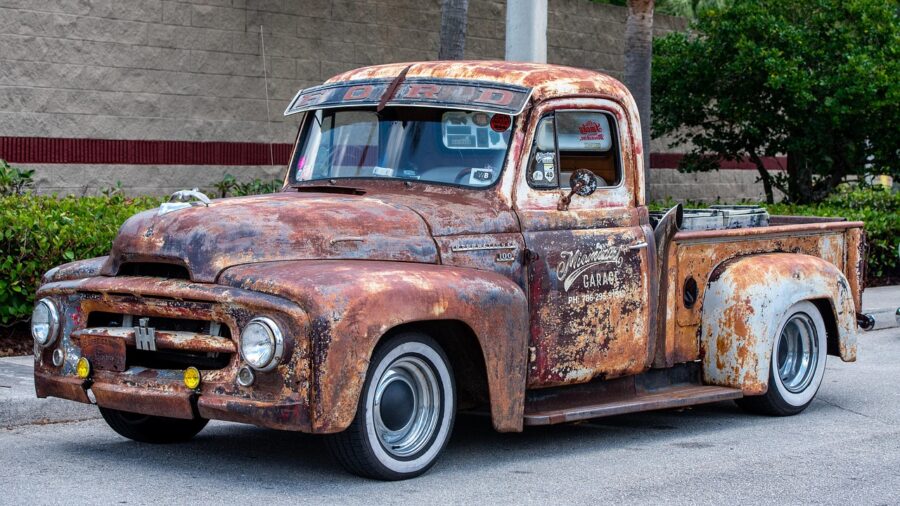
One of the most impressive elements is the custom eight-lug wheel design. Trinity Wheel Company took an original Lightning wheel, 3D-scanned it, and recreated the pattern in CAD to work with eight-lug trucks. The wheels capture the essence of the original five-lug design while fitting modern diesel applications. This level of detail shows why this build stands out: creating a cohesive custom look requires understanding both original design language and current truck platforms.
Trinity plans to offer this wheel design commercially, meaning other enthusiasts could replicate similar builds. Rutledge credits John at the wheel company for understanding the vision and delivering exactly what the project needed. The collaboration demonstrates how aftermarket suppliers are filling gaps that manufacturers leave behind.
Power That Matches the Looks
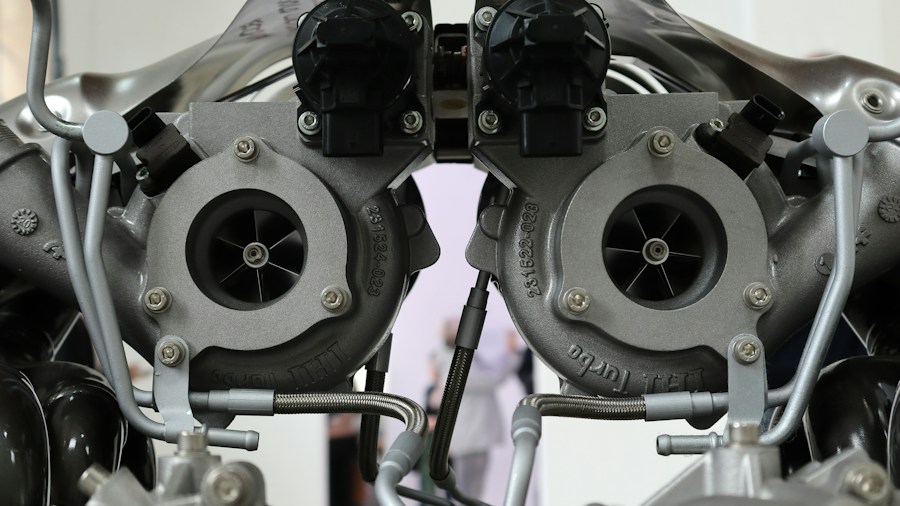
The real story lies beneath the hood. Rutledge paired the 7.3-liter diesel with a KC Turbos Gen 3 Stage 3 turbocharger, Full Force Diesel fuel injectors, and custom PHP Hydra engine tuning. The turbo uses a Super Duty-style pedestal and collector while maintaining compatibility with a factory T3 mount. This careful engineering choice allows the truck to use readily available aftermarket components like the Banks Power intercooler kit without requiring extensive modifications.
The result is approximately 600 horsepower delivered to the wheels, a dramatic increase from the 7.3-liter’s stock output. Jacob White at Edge Products engineered the modifications with real-world usability in mind. This isn’t a drag-strip-only experiment; Rutledge designed the power level for street driving while maintaining daily-driver reliability.
The transmission is equally important to the equation. Rutledge has a custom-built E4OD automatic transmission from Brian’s Truck Shop ready to install. The shop constructed it to handle significantly more power than the current 600-hp configuration, providing headroom for potential future upgrades. just as electric F-150 owners must plan for long-term maintenance, diesel enthusiasts benefit from building stronger foundations from the start.
What This Means for Buyers
This project illustrates several important trends for truck shoppers. First, the aftermarket ecosystem for diesel trucks continues expanding, offering solutions manufacturers won’t provide. Second, custom builds increasingly achieve factory-quality aesthetics while exceeding stock performance. Third, vendors are collaborating across companies to create comprehensive solutions rather than forcing owners into piecemeal upgrades.
For consumers evaluating F-150 options and diesel alternatives, this build shows what specialized shops can accomplish with modern tools and partnerships. While few owners will pursue a full Lightning-clone diesel conversion, the underlying lesson applies broadly: today’s truck aftermarket is sophisticated enough to fulfill specific visions that production lineups cannot address.
Rutledge plans to campaign the truck in the National Hot Rod Diesel Association’s Sportsman class, potentially running against 5.0-liter Mustangs and Cummins-powered competitors. Whether on the street or at the drag strip, this custom F-150 represents the convergence of show and go that enthusiasts have always wanted. For buyers considering any truck purchase, understanding the aftermarket landscape helps inform decisions about future modifications and long-term ownership satisfaction.
This build answers the question Ford’s engineers never posed: what if the Lightning had gone diesel? The answer is a capable, striking truck that blends heritage styling with contemporary power, proving that sometimes the best vehicle exists at the intersection of imagination and engineering expertise.











Write Your Review
No reviews yet. Be the first to share your experience!