

Advanced driver assistance systems have become standard equipment on modern vehicles. Lane keep assist, automatic emergency braking, blind spot monitoring, and adaptive cruise control are no longer luxury features, they’re critical safety technologies that shoppers depend on every single day. But here’s the problem: when these systems need repair or recalibration, the automotive service industry faces a serious challenge that directly affects vehicle owner safety.
The ADAS Calibration Crisis Facing Technicians
Repair shops, collision centers, and glass professionals across the country are struggling with incomplete and inconsistent information from original equipment manufacturers about how to properly calibrate ADAS components. Without clear, standardized procedures, technicians are essentially working in the dark, trying to restore critical safety systems without the guidance they need to do the job correctly.
The core issue is simple: technicians require accurate calibration triggers, specific wheel alignment requirements, precise sensor and camera angle specifications, defined tolerances, and validated procedures. Most importantly, they need the ability to verify that once a repair is complete, the vehicle has truly been restored to safe operating condition. When this information is missing or contradictory, safety suffers. Diagnostic tool providers are stepping in to address these gaps, but the industry needs more coordinated action.
Why Incomplete Information Puts Drivers at Risk
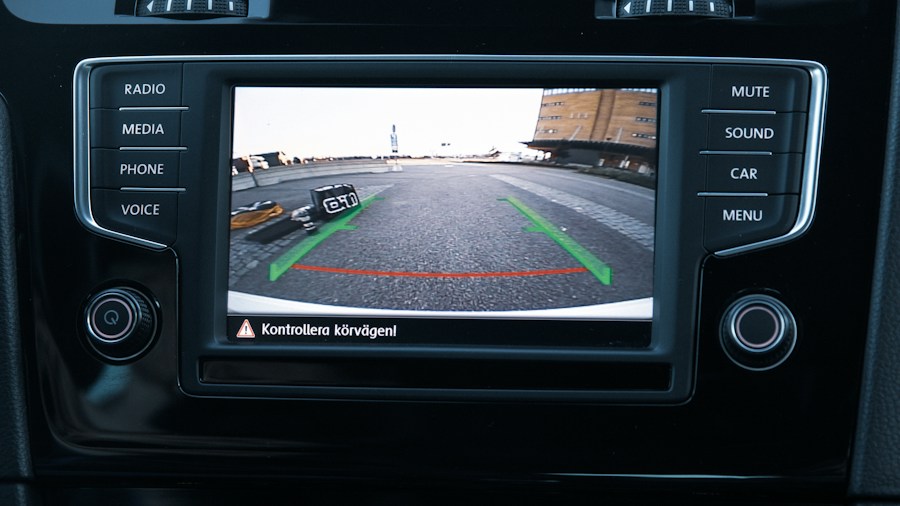
Consider what happens when a vehicle’s camera or radar sensor is slightly misaligned after a collision repair. If the technician doesn’t have access to proper calibration specifications or validated procedures, that system might appear to function normally but could fail in a critical moment. Automatic emergency braking might not activate when needed. Lane keep assist might not correct a dangerous drift. These aren’t minor glitches, they’re potential safety failures.
The right to repair must also mean the right to repair safely. Collision repairers and mechanical shops cannot be expected to restore safety-critical systems without the manufacturer’s complete technical specifications and calibration requirements. Industry leaders are pushing for transparency and standardization to ensure every vehicle leaves a repair facility in genuinely safe condition.
What Shoppers Should Demand
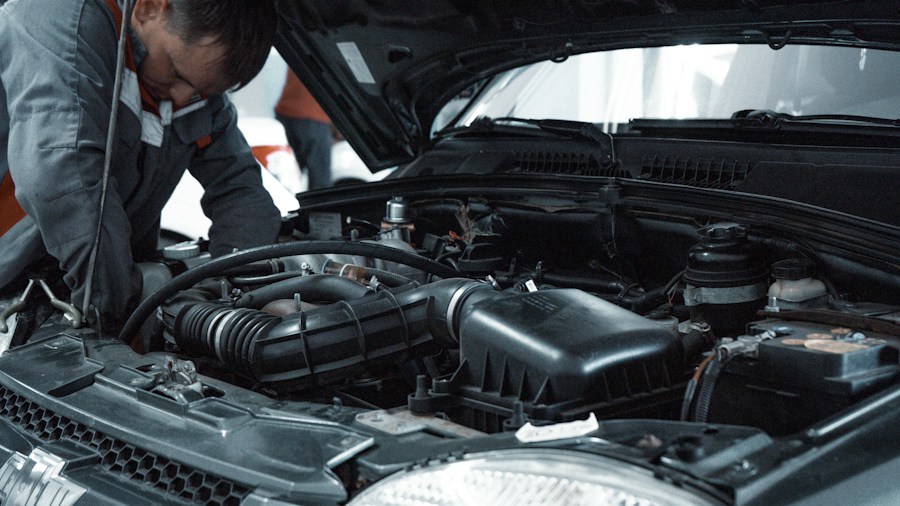
As a vehicle owner, you need to understand that ADAS repair is not a commodity service. Before authorizing any work on your vehicle’s safety systems, ask your repair shop these questions:
- Do you have access to complete OEM calibration procedures for my vehicle’s specific ADAS systems?
- What calibration equipment do you use, and has it been validated for accuracy?
- Can you verify that the repair has restored my safety systems to factory specifications?
- Do you follow a defined, documented procedure for each type of ADAS repair?
- What tolerances do you maintain for sensor and camera alignment?
If your shop cannot answer these questions with confidence, consider finding one that can. Your safety depends on it.
The Road Ahead for the Industry
The automotive service industry must come together to establish clear, consistent standards for ADAS calibration and repair. This means manufacturers sharing complete technical information, repair facilities adopting validated procedures, and diagnostic equipment providers continuing to develop tools that support accurate, safe repairs.
Until these standards are universal, the burden falls on individual shops to stay current with manufacturer requirements and invest in proper training and equipment. For shoppers, this means being proactive about where you take your vehicle for ADAS-related work and asking detailed questions about the repair process and verification procedures.
Advanced driver assistance systems represent a genuine leap forward in vehicle safety. But that safety benefit only exists if these systems are repaired and calibrated correctly. Demand transparency, ask the right questions, and ensure your repair facility has the knowledge, tools, and procedures to do it right.











Write Your Review
No reviews yet. Be the first to share your experience!