

Ford has restarted manufacturing of the F-150 at its Michigan assembly facility following a five day production stoppage caused by supplier complications. The halt affected one of America’s most popular and profitable pickup trucks, creating uncertainty for customers waiting on new vehicles and dealers managing inventory.
What Happened at Dearborn
Production lines at Ford’s Dearborn Truck Plant shut down from September 24 through September 29 due to an unspecified parts shortage from one of the company’s suppliers. Ford has not publicly disclosed which supplier was involved or what component caused the disruption. The automaker confirmed that all shifts and crews at the facility were idled during this period, affecting approximately 3,500 to 4,000 workers.
UAW leadership reported that manufacturing resumed on the morning of September 29, allowing the plant to return to normal operations. The production pause also gave Ford an opportunity to perform facility maintenance and repairs that may have been scheduled or necessary to address the underlying supply chain issue.
Broader Supply Chain Challenges
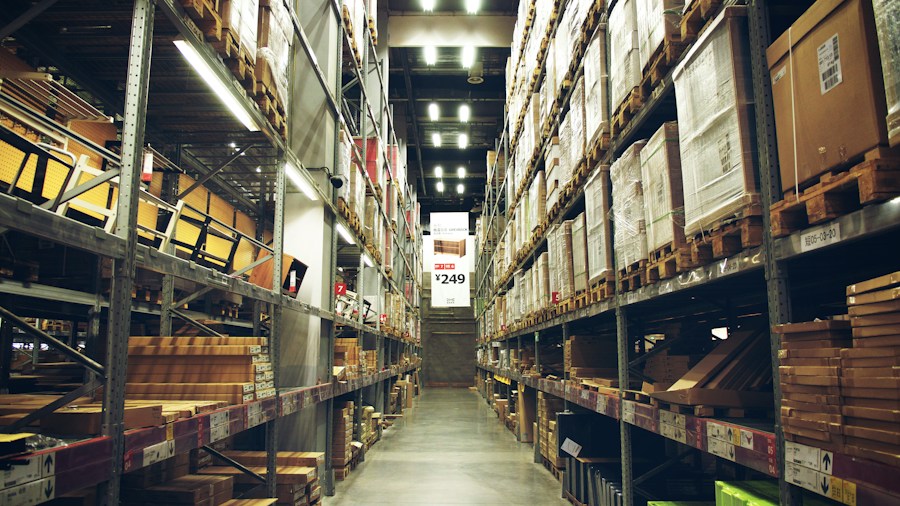
The Dearborn disruption was not an isolated incident. Ford’s Kansas City Assembly Plant in Missouri, which also produces the F-150, experienced its own production halt on Friday and continued to face inconsistent output throughout September due to ongoing supplier problems. Local union leadership indicated that the company had adequate parts inventory only through September 30, after which Ford would need to manage supplies on a daily basis to maintain any semblance of steady production.
More troubling for potential buyers, the Kansas City facility had already canceled 15 F-150 production shifts since the beginning of September because of parts shortages. That plant employs roughly 8,600 workers, with approximately half dedicated to F-150 assembly and the remainder building the Transit commercial van. These cancellations compound the delays already affecting the supply chain.
This marks the second major supplier crisis Ford has faced in recent months. Earlier in the year, an aluminum supplier experienced a fire that resulted in the loss of tens of thousands of vehicles in production. That disruption took weeks to resolve and created substantial headwinds for Ford’s manufacturing schedule and sales momentum. Dealers and customers had only recently begun to see that situation stabilize when this new supplier problem emerged.
What This Means for F-150 Shoppers
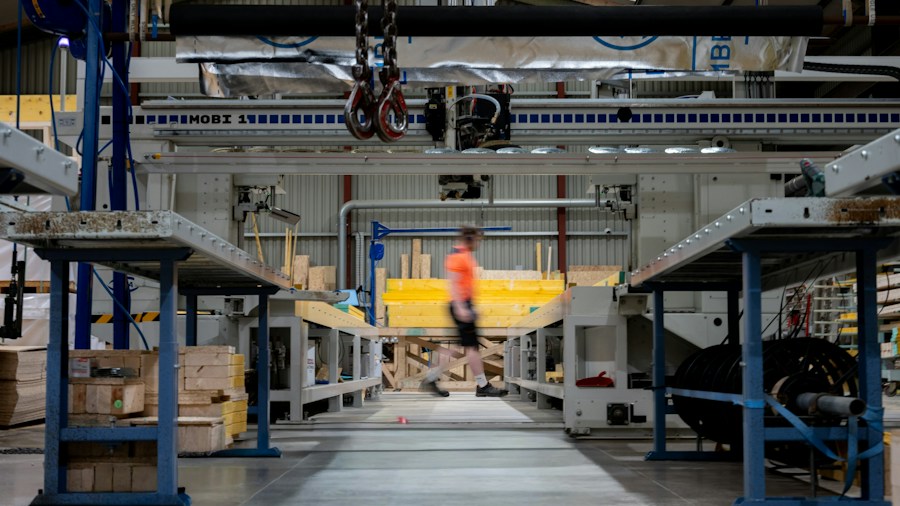
If you are in the market for an F-150, these production disruptions likely mean longer wait times and potentially limited inventory at your local dealership. Used F-150 values may remain elevated due to reduced new vehicle supply, which could affect your trade in value if upgrading. For those not yet shopping, understanding these supply challenges can help inform your timing and expectations.
Ford has declined to provide specifics about the supplier issue or timelines for full production stability. A company spokesperson stated that they do not comment on supplier disruptions, leaving customers and dealers with limited visibility into when normal production levels will resume. This lack of transparency adds uncertainty to purchase planning for anyone considering an F-150 in the coming weeks or months.
The good news is that both major F-150 production facilities have now returned to manufacturing. Two-tone F-150 variants offer additional customization options for buyers willing to wait slightly longer for specific configurations. However, if you need an F-150 quickly, you may find standard and popular configurations more readily available than specialty options.
Looking Ahead
The F-150 remains Ford’s most important product and continues to drive significant profitability for the company. Despite these short term challenges, Ford has not indicated any major design or production changes to the truck itself. Previous production halts have typically been resolved within weeks, though timing remains uncertain in this case.
Buyers should monitor inventory at local dealerships and consider placing orders early if you have a specific F-150 configuration in mind. Working with your dealer to understand current supply status and realistic delivery windows will help set appropriate expectations. As supply chain issues persist across the automotive industry, patience and flexibility continue to be valuable assets when shopping for a new truck.











Write Your Review
No reviews yet. Be the first to share your experience!