

Major Quality Gaps Persist at Stellantis Despite New Engineering Effort
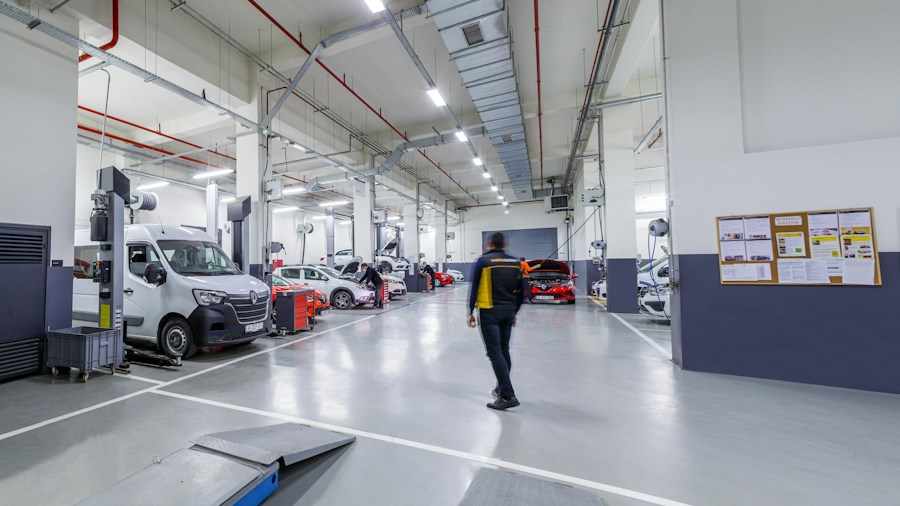
Stellantis is ramping up its battle against quality issues that have plagued the automaker for years. The company has hired over 2,000 engineers specifically tasked with addressing manufacturing and design flaws, and leadership has established roughly 50 quality war rooms where teams of engineers, quality specialists, and suppliers collaborate on critical components and systems. CEO Antonio Filosa has set an ambitious target to reach the top quartile in quality rankings by 2028, a goal that represents a significant leap from where the company stands today.
However, recent data shows just how far Stellantis still has to go. According to JD Power’s latest US Initial Quality Study, which measures problems reported during the first 90 days of ownership, Stellantis owned brands are performing noticeably worse than industry standards. The study tracks defects per 100 vehicles, with the industry average sitting at 175. Jeep registered 182 problems per 100 vehicles, Ram recorded a concerning 222, and Chrysler came in at 229. By comparison, Ford managed 152 per 100 vehicles among mainstream brands, while luxury brands like Genesis and Porsche scored even better at 151 and 138 respectively.
What These Numbers Mean for Buyers
For shoppers considering Stellantis vehicles including Jeep, Ram, and Chrysler models, these numbers suggest increased risk of encountering manufacturing defects early in ownership. Common problems reported by owners have ranged from misaligned body panels and trunk issues to faulty door latches and seat mechanisms. The Dodge Charger Daytona, which launched as the brand’s controversial all electric model, has been particularly problematic, with owners reporting numerous defects that rendered vehicles unusable shortly after purchase.
The quality gap matters because early-life defects can result in frequent dealership visits, potential safety concerns, and frustration during the critical first months of ownership when customers are typically deciding whether they made the right purchase decision. A vehicle with 229 defects per 100 units carries roughly 30 percent higher defect rates than the industry average, translating to substantially worse ownership experiences for many buyers.
The Path Forward and Realistic Timelines

Stellantis leadership acknowledges the urgency of the situation. Filosa has indicated that quality fixes are being implemented quickly through the newly established war rooms, where cross functional teams address problematic components and systems. The company’s engineers are working simultaneously on multiple fronts: identifying defects during development, catching issues in production, and coordinating with suppliers to prevent recurring problems.
Yet improving quality at scale takes time. Stellantis delays with Ram and Jeep electric hybrids have further complicated the company’s ability to focus resources on existing model quality. The reality is that improvements made today in manufacturing facilities and supplier relationships will likely not appear in meaningful quality metric improvements for several years, since JD Power measures vehicles already in customer hands. The 2028 timeline for reaching top quartile performance represents roughly four to five model years of sustained improvement efforts.
Some industry observers have pointed to cost cutting measures implemented by former leadership as contributing to quality deterioration. Rebuilding quality reputation requires not only hiring talented engineers but also investing in manufacturing processes and supply chain oversight, changes that take considerable time to embed throughout global operations.
What Buyers Should Do Now
Current shoppers considering Stellantis brands should approach their purchase with eyes wide open. Extended warranty coverage becomes more valuable when historical quality data suggests higher defect probabilities. Requesting pre delivery inspections and documenting the vehicle condition before accepting delivery can help protect against manufacturing defects. Industry partnerships with Stellantis continue to develop, suggesting the company remains committed to its long term strategy despite current challenges.
For those not in a hurry to purchase, waiting until 2025 or 2026 may be prudent, as newer model year vehicles should incorporate lessons learned from the quality war rooms and recent engineering investments. Checking reviews from current owners of the specific model and trim you are considering provides real world perspective on which vehicles have proven more reliable than industry averages.
Stellantis has acknowledged its quality problems and is taking substantial action to address them. Whether these efforts prove sufficient to reach top quartile status by 2028 remains to be seen, but the company’s commitment of resources and leadership attention suggests the situation is being treated as a priority. For consumers, staying informed about quality improvements as they materialize will help ensure smarter purchasing decisions.











Write Your Review
No reviews yet. Be the first to share your experience!