

What Changed on the 2027 Kawasaki Ninja 650
Kawasaki has finally delivered a substantial overhaul to its everyday middleweight sportbike. The 2027 Ninja 650 receives an inverted front fork and upgraded brake system that transform its appearance and handling characteristics, addressing long-standing criticism from the riding community.
The most visible upgrade centers on the front end. Kawasaki has replaced the conventional telescopic fork with a 37mm Showa Separate Function Big Piston inverted unit. This engineering change reduces damping pressure and improves overall control through the curves. The rear shock also receives a revised spring rate specifically tuned to work harmoniously with the new front suspension geometry.
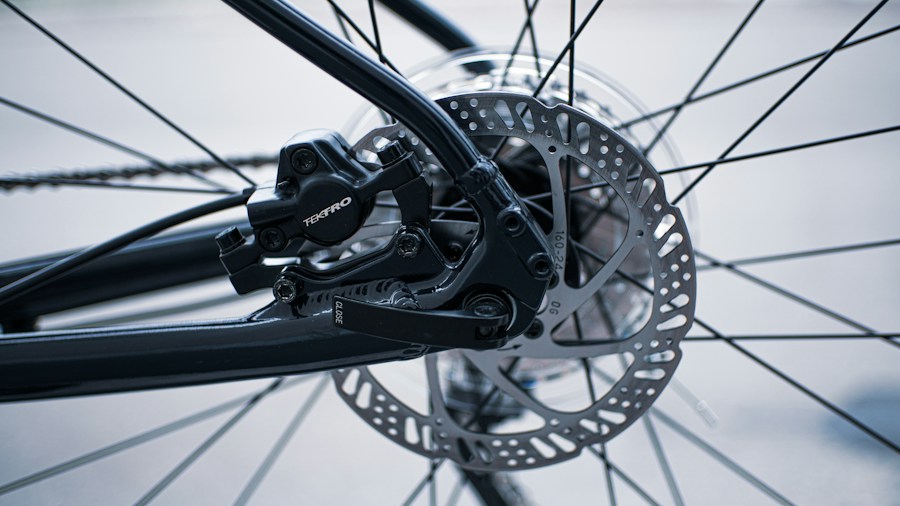
Braking receives equally important attention. The outdated two-piston axial-mount calipers give way to modern four-piston radial-mount units. This upgrade matters significantly because radial mounting provides a stiffer, more responsive caliper installation. Combined with the inverted fork, the new brake system delivers both superior stopping power and a more sophisticated visual presence that finally matches the sportbike styling of the fairing and bodywork.
Why This Upgrade Matters for Buyers
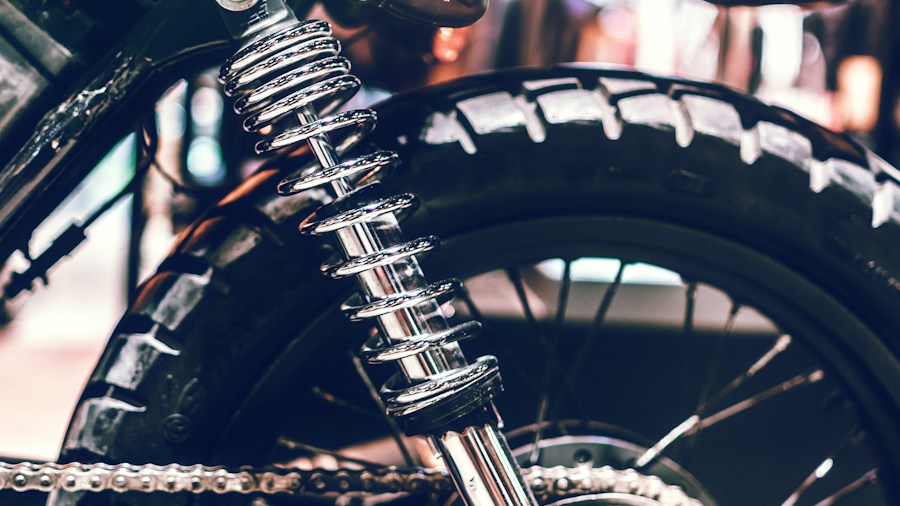
For years, the Ninja 650 occupied an unusual market position. It featured aggressive styling cues, the Ninja nameplate, and a sporty appearance that suggested serious performance capabilities. Yet underneath that aggressive exterior lived a practical, approachable commuter bike with basic suspension and entry-level braking hardware. This disconnect between appearance and capability confused potential shoppers and limited the bike’s appeal among riders seeking genuine sportbike performance in an accessible package.
This update closes that gap without fundamentally changing the bike’s character. The 649cc parallel-twin engine remains unchanged, as does the steel trellis frame that forms the structural foundation. Kawasaki hasn’t attempted to transform the Ninja 650 into a scaled-down supersport replica. Instead, the manufacturer has simply elevated the foundation components to match the sportbike promise of its visual design. This measured approach preserves the accessibility and everyday usability that define the Ninja 650’s appeal.
Additional Technology and Convenience Features
Beyond suspension and braking, the 2027 model year brings digital and physical enhancements. A redesigned 4.3-inch TFT display screen offers a cleaner interface with improved usability. Kawasaki’s Rideology smartphone connectivity system now integrates navigation functions and voice-command capability, bringing modern convenience to a middleweight platform.
A wider front fender accommodates the new inverted fork geometry, creating visual balance throughout the front end design. European-market bikes feature a 30.9-inch seat height, making the motorcycle more accessible for riders of varying physical statures. The KTRC traction control system continues as standard equipment, providing confidence-building electronic assistance for newer or less-experienced riders.
What This Means for Your Purchase Decision
If you’ve been considering the Ninja 650 but found the suspension and brake setup underwhelming, the 2027 refresh removes that obstacle. The new hardware doesn’t add premium price tags to the overall package in a way that dramatically shifts the bike’s value proposition. You’re acquiring legitimate sportbike-grade suspension and braking technology on a bike that remains fundamentally approachable and rider-friendly.
For comparison, if you’re shopping between middleweight options, the updated Ninja 650 now competes more credibly against bikes that previously offered superior front-end hardware. The Ninja H2 represents Kawasaki’s high-performance flagship, while the Ninja 650 establishes the practical entry point to the Ninja lineup. This tiered positioning gives buyers clearer choice between categories.
The update also signals Kawasaki’s commitment to continuous improvement across its portfolio. Rather than pursuing radical redesigns that might alienate existing owners, the manufacturer focuses on genuine performance upgrades that enhance capability without compromising the bike’s fundamental character. This philosophy delivers real value to shoppers seeking reliable, incrementally improving products.
Kawasaki has not yet confirmed whether these 2027 updates will reach the American market, though European availability is planned. If the revised bike arrives in the United States without substantial price increases, the Ninja 650 will finally deliver the hardware quality that its sportbike styling has promised since the design’s introduction. For riders in the middleweight category seeking genuine performance capability paired with everyday practicality, this refresh removes the primary technical objections that previously distinguished competing machines.











Write Your Review
No reviews yet. Be the first to share your experience!