

Independent automotive repair shops are closing the gap between neighborhood service centers and franchise dealerships, thanks to advanced diagnostic technology that puts professional-grade capabilities within reach. What this means for tire and wheel shoppers is a major shift in where and how they can get expert service on their vehicles.
The Technology Powering Better Independent Service
Modern diagnostic equipment allows independent repair facilities to perform the same comprehensive evaluations that major dealerships have traditionally offered. Full system scans let technicians view multiple data points simultaneously, enabling them to pinpoint problems faster and more accurately than ever before. For tire and wheel work specifically, this includes electronic tire tread measurements, brake system diagnostics, and tire pressure monitoring system (TPMS) evaluations that were once reserved for high end service centers.
These tools work by connecting to a vehicle’s Computer Area Network, or CAN bus, which communicates between all electronic systems in the car. Topology mapping technology helps technicians trace electrical issues and wiring problems more efficiently, reducing the time spent hunting for faults. When combined with remote expert programming capabilities, independent shops can now handle complex repairs and sensor programming that previously required a trip to the dealership.
TPMS and Tire Service Gets a Major Upgrade
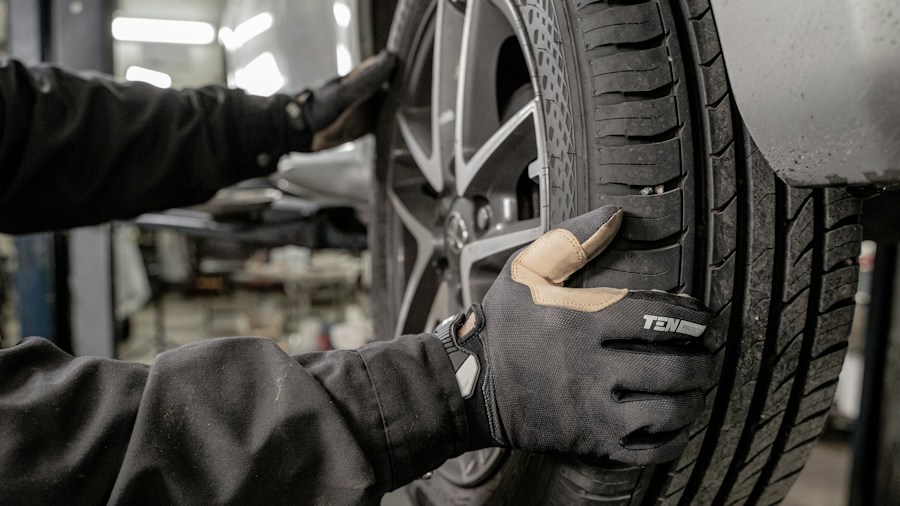
Tire pressure monitoring systems have become essential safety components on modern vehicles, but servicing them requires specialized knowledge and equipment. Progressive independent repair shops now invest in dedicated TPMS diagnostic tools that can identify sensor failures, battery issues, and programming conflicts. Digital tire inspection capabilities allow technicians to capture accurate tread depth measurements electronically and add them directly to customer repair orders, eliminating guesswork and providing clear documentation of tire condition.
This advancement matters because TPMS sensors are critical to vehicle safety and fuel efficiency. When a sensor fails or needs programming after tire replacement, drivers no longer need to schedule an appointment at a dealership. Independent shops equipped with modern tire diagnostic tools can complete the work the same day, saving customers time and travel.
What Independent Repair Shops Gain from Modern Diagnostics
When independent shops invest in professional grade diagnostic equipment, they keep more work in house. Previously, complex electrical problems, sensor programming, and advanced diagnostics meant handing the vehicle over to a dealership. Now, these capabilities stay local, which saves shops time and resources while building customer loyalty. Technicians can work more efficiently by quickly identifying problem areas rather than guessing or performing unnecessary tests.
The user friendly interface on modern diagnostic tools also matters. Both experienced technicians and newer staff members can operate these systems with minimal training, thanks to intuitive design and logical menu structures. This accessibility ensures that tire and wheel services remain consistent in quality regardless of who is performing the work on any given day.
Better Information for Tire Shoppers
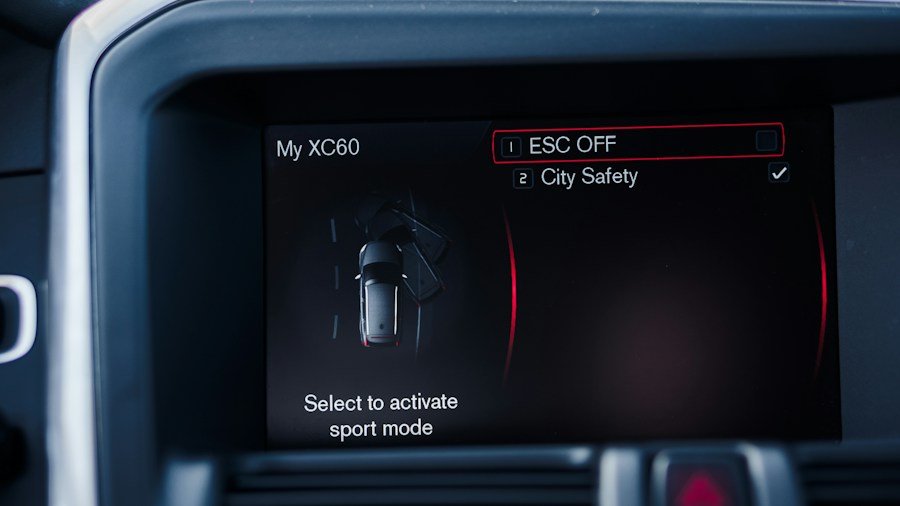
Digital inspection and documentation systems benefit customers directly. When a technician captures tire tread measurements, brake condition photos, or sensor readings electronically, that information becomes part of the repair order. Customers see exactly what their technician found, making it easier to understand why a particular service is necessary. No more vague descriptions or requests to take a vehicle to another facility for a second opinion.
For tire shoppers specifically, this means getting clear data about tread depth, wear patterns, and overall tire health. A digital measurement is objective and documented, leaving no room for misinterpretation. If a tire needs replacement, the customer receives evidence of that need before making a purchase decision. If a tire can be repaired or has adequate life remaining, that information is also captured and shared transparently.
The Ripple Effect for Automotive Consumers
The democratization of dealership level diagnostics and tire service capabilities benefits the entire market. Competition increases when more independent shops can offer services previously monopolized by franchises. Customers gain access to advanced tire inspections, TPMS programming, and wheel balancing diagnostics at independent locations, often with shorter wait times and lower costs than dealerships charge.
Modern automotive repair is increasingly dependent on electronics and software. As tire technology becomes more sophisticated with integrated sensors and monitoring systems, having qualified technicians with proper tools matters more than ever. Independent shops that embrace these technologies position themselves as trusted partners for tire and wheel service, not just budget alternatives to dealerships.
The takeaway for shoppers is straightforward: you now have more options for expert tire service. Independent repair facilities equipped with professional diagnostic equipment can deliver results comparable to dealerships while often providing better service, faster turnaround, and community focused attention.











Write Your Review
No reviews yet. Be the first to share your experience!