

RV Market Softens as Registrations Decline Across the Nation
The recreational vehicle market is experiencing a significant slowdown in 2026. According to recent data from Statistical Surveys, new RV retail registrations have dropped every month from January through May, with declines ranging from 14.5% to 24.1% compared to the same months in 2025. Meanwhile, the RV Industry Association reports that wholesale shipments to dealers have fallen 14.2% through August, signaling weakness across the entire supply chain.
Used RV sales have proven more resilient than new vehicle sales, at least initially. Registration numbers for pre-owned RVs grew from January through April before slipping 2.4% in May, suggesting that buyers increasingly seek bargains in the secondary market.
Significant Regional Variation Masks the Full Picture
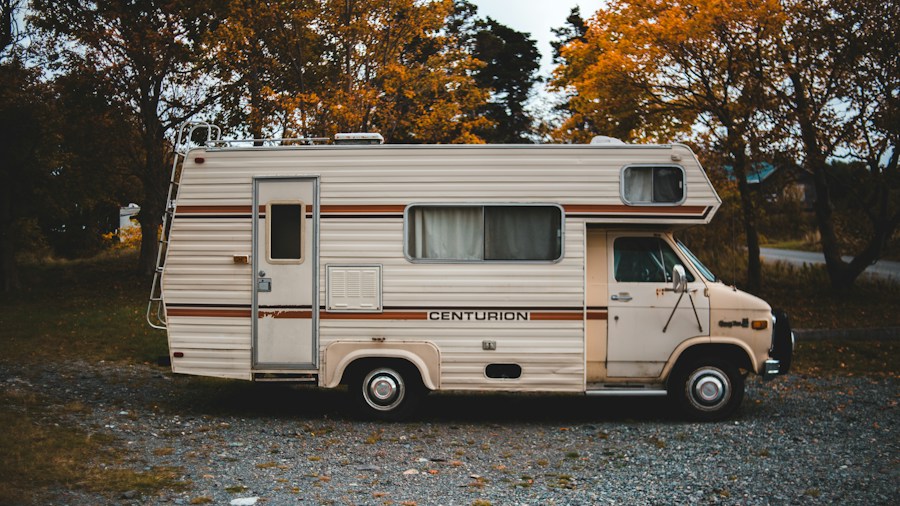
National averages tell only part of the story. When manufacturers and dealers examine specific regions and RV classes, the picture becomes much more complex. In March alone, while national registrations dropped 21.9%, different segments performed vastly differently. Class C motorhomes fell just 5%, whereas Class A motorhomes experienced a steeper 31% decline. Geographic variation proves equally dramatic, with some markets holding steady while others face sharper contractions.
This variation means that a buyer shopping in one region may find far better selection and pricing than someone in a neighboring area. Local market conditions, not just national trends, determine what inventory is available and at what price.
What This Means for RV Shoppers
A softer market environment typically creates opportunities for savvy buyers. When sales volume declines, dealers face mounting carrying costs on aging inventory and increased pressure to negotiate. This dynamic can lead to better pricing and more flexibility on trade-in offers, extended warranties, or financing terms. Buyers should expect dealers to be more willing to move vehicles rather than hold them for higher prices.
However, the benefits of a slower market are not uniform. Inventory selection may be thinner in some markets, meaning buyers might have fewer options to choose from. The proper preparation and understanding of RV ownership becomes even more important when you have limited choices. Shoppers should thoroughly inspect any vehicle they intend to purchase and confirm its service history before committing.
How Dealers Respond Shapes Your Shopping Experience
The actions dealers take in response to market softness directly affect what you encounter when shopping. Some dealers adopt broad, across-the-board discounts and aggressive promotions. Others take a more targeted approach, carefully pricing specific units based on local demand and adjusting inventory purchases to match regional preferences.
The most effective dealers distinguish between a nationwide market slowdown and their own performance relative to competitors in their area. Understanding this difference allows them to make smart decisions about which inventory to keep, which to reprice, and which to replace. Industry resources and data platforms now help dealers track their standing against local competition in real time, enabling faster responses to market conditions.
For buyers, this means that dealers with the best market intelligence typically offer the most competitive pricing and selection. They know what similar units are selling for nearby and can price accordingly to move inventory efficiently.
Timing Your Purchase in a Weak Market

A slower RV market creates a window of opportunity, but the window will not remain open indefinitely. As inventory ages on lots, carrying costs increase, making dealers more eager to negotiate. The first few months of ownership also reveal whether a unit has hidden issues, so purchasing from a dealer with strong service and warranty support becomes more valuable.
Beyond pricing, a soft market allows you to focus on finding the right unit rather than competing with other buyers for limited selection. This extended timeline gives you room to inspect units thoroughly, research models carefully, and take time to verify that your purchase aligns with your budget and needs.
Staying informed about maintenance requirements and service options throughout the ownership lifecycle ensures you make the most of your investment, regardless of market conditions.
Looking Ahead
The 2026 RV market presents both challenges and opportunities. While overall sales are declining, regional variation means that conditions in your local market may differ significantly from national trends. Buyers who shop strategically, compare prices carefully against local competition, and prioritize condition and service support over rushing into a purchase can benefit from the current environment. As the year progresses and dealers continue adjusting to softer demand, expect to see continued pricing pressure and an emphasis on moving inventory efficiently.











Write Your Review
No reviews yet. Be the first to share your experience!