

RVIA Pushes Back GMI Enforcement Timeline
The RV Industry Association announced this week that it is delaying the implementation and enforcement deadline for a new electrical safety feature called the grounding monitor interrupter (GMI) on new recreational vehicles. Initially, the industry group had set January 1, 2027 as the effective date, with mandatory enforcement beginning with model year 2028 production. That timeline is no longer feasible, according to the RVIA board of directors.
The delay stems from a critical supply chain issue: manufacturers of GMI devices have not yet produced enough fully certified, tested units to meet the original deadline. When the RVIA Standards Steering Committee first approved the GMI requirement in June, leadership believed that device manufacturers would have sufficient inventory available by early 2027. As summer and fall progressed, however, it became clear that this assumption was too optimistic.
Why This Matters for RV Shoppers

If you are considering purchasing a new RV in the next few years, this delay means the safety features and technology of your vehicle may still be evolving. The GMI is designed to provide enhanced electrical protection, and the RVIA wants to ensure any new safety system is thoroughly tested in real-world conditions before being mandated across the industry.
The board emphasized that rushing to implement this technology without adequate testing would be irresponsible. RV manufacturers have already begun preparing their production lines to integrate GMI devices, but they cannot complete comprehensive validation work until the certified devices are readily available from multiple suppliers. This staged approach protects both consumer safety and the long-term reliability of your purchase.
Safety is always a priority in RV design and construction. Understanding electrical hazards like carbon monoxide risks in your RV is important for owners, and adding new protective devices requires careful planning and testing.
What Happens Next
The RVIA board of directors will continue monitoring the progress of GMI device manufacturers throughout the winter. The board plans to formally review the situation and announce a new implementation timeline at its February board meeting. Officials have committed to selecting a firm enforcement date as soon as multiple suppliers confirm they have adequate supplies of listed, certified GMI devices ready for production use.
For prospective buyers, this means a few things to keep in mind. First, any new RV you purchase before the GMI requirement takes effect will not include this particular safety feature, so you may want to research what other electrical protections the model offers. Second, once the requirement does take effect, newer models will include this added layer of safety at no extra cost to you as a standard feature.
The RV manufacturing community has demonstrated its ability to adapt to industry standards, and the delay reflects a commitment to quality over speed. Recent expansions in RV dealership networks show that the industry continues to grow and innovate despite supply chain challenges.
Understanding the Grounding Monitor Interrupter
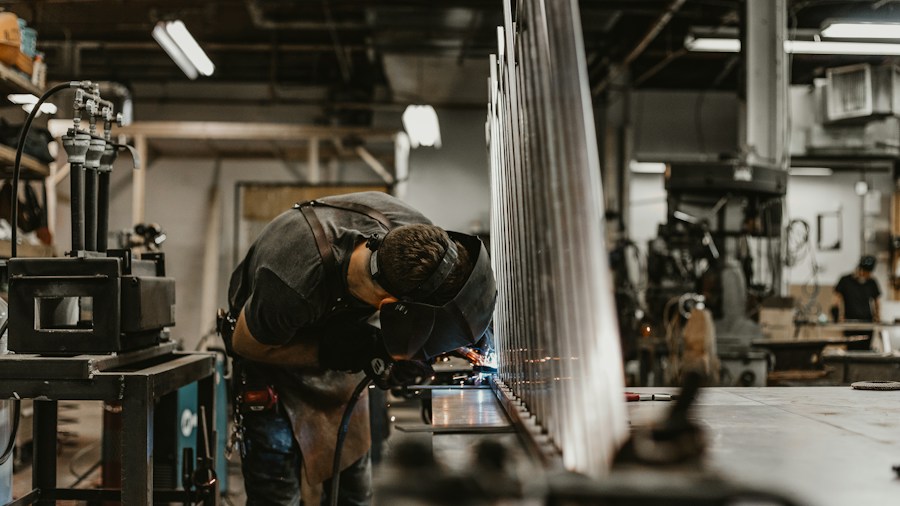
For those unfamiliar with electrical systems in recreational vehicles, a grounding monitor interrupter is a protective device that monitors the electrical grounding system and can interrupt power flow if it detects a fault condition. This technology is designed to prevent electric shock hazards and protect equipment from electrical surges or failures.
Implementing this technology across all new RV manufacturing represents a significant safety upgrade, which is why the RVIA took the decision seriously. The delay is not a cancellation; it is a recognition that doing the job correctly requires sufficient time for development, supply, and testing.
Industry participation in safety initiatives remains strong. The RV community continues to demonstrate its commitment to supporting local causes and maintaining industry standards, showing that safety and responsibility go hand in hand.
What You Should Do as a Buyer
If you are shopping for a new RV, ask your dealer about the specific electrical safety features included in your model. Do not assume all units have identical protection, as manufacturers may offer different levels of safety equipment depending on the price point and model line.
Keep the GMI requirement in mind for future purchases. Once the new timeline is announced, RVs manufactured after the enforcement date will all include this feature as standard equipment. This could influence your buying decisions if you are planning a long-term purchase strategy.
Stay informed about industry updates from official sources and your dealer. As the RVIA continues to work with suppliers and manufacturers, new information will become available that could affect what features are available on new models.
The delay of the GMI enforcement deadline reflects a mature, safety-conscious approach to introducing new technology in the RV industry. By allowing adequate time for development and testing, the RVIA is prioritizing both consumer protection and product reliability.











Write Your Review
No reviews yet. Be the first to share your experience!