

Planning an RV trip to a national park requires more than just deciding which destination to visit. Understanding how and when to book a campsite can mean the difference between a memorable adventure and a disappointing scramble for accommodations. Each park operates on its own reservation schedule, and RV-specific rules vary significantly across the system. Here’s what you need to know to secure your spot.
Understanding Reservation Windows
National parks release campsites according to different schedules, and knowing the pattern for your chosen destination is critical. Most parks use one of three systems: rolling windows, monthly releases, or first-come, first-served availability. Rolling window campgrounds open new arrival dates each day, typically allowing you to book roughly six months in advance. Monthly releases bundle several weeks or months of dates together and make them available on a single designated day. First-come, first-served sites cannot be reserved ahead of time, so you arrive and claim a spot if one is available.
Popular parks like Acadia, Yellowstone, and Grand Canyon release most of their standard campsites months ahead, but many also hold back a small percentage of inventory for last-minute bookings. This strategy keeps some options open for flexible travelers while still accommodating those who plan further out. Many RV enthusiasts and industry leaders recognize the importance of proper planning when venturing into national parks, as these destinations attract millions of visitors annually.
RV-Specific Considerations Before Booking
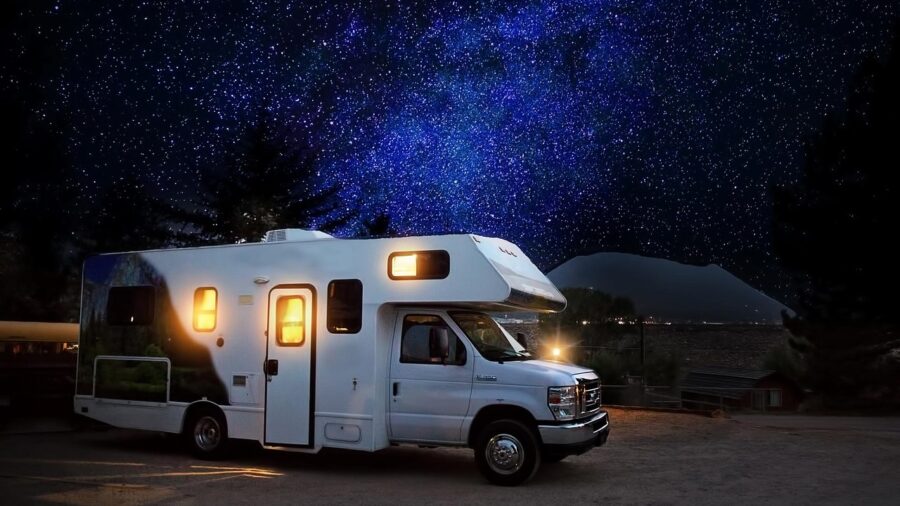
Securing a reservation is only the first step. Before you confirm your booking, verify that the campground can actually accommodate your RV. Length restrictions vary dramatically across parks. Some campgrounds welcome rigs up to 40 feet or longer, while others impose strict limits of 20 feet or less for certain loops. Equipment specifications in the booking system sometimes apply to the entire campground, but in many cases they differ by individual site, so reading the fine print for your specific spot is essential.
Hookup availability also varies widely. Many developed campgrounds provide no hookups at all, offering only the basics like water-fill stations and dump facilities. Others provide electric hookups without water or sewer. A few premium sites include full hookups with electric, water, and sewer connections. If your RV requires specific amenities, this detail must guide your site selection. Check whether generators are permitted, as some campgrounds prohibit them entirely or restrict their use to certain hours.
Road access is another often-overlooked factor. Some parks have low-clearance routes or roads that officially prohibit RVs and trailers. Before finalizing your reservation, review the park’s vehicle restrictions and confirm that a safe, legal route exists from the park entrance to your campground. RV owners should also prepare their equipment before departure, including proper tire maintenance and inflation systems, to ensure safe travel on park roads.
Park-Specific Challenges and Solutions
Some national parks have no developed RV camping inside their boundaries at all. In these cases, you’ll need to stay at a private campground or RV resort in the area and make day trips into the park. This may add drive time to your itinerary but can sometimes offer better amenities and flexibility than park campgrounds. Before committing to a park destination, verify that RV camping exists within or nearby.
Seasonal closures are another common constraint. Many northern parks close their campgrounds during winter, and even if a park remains open to day-use visitors, the campground might not be available. Check the official park website for the specific operating dates of the campground you’re targeting before building your trip timeline around that location.
Weather and road conditions can also affect your plans. Some campgrounds sit in areas prone to sudden storms, high winds, or seasonal flooding. Unpaved access roads may temporarily close after heavy rain or winter snow. If you’re traveling to a remote or high-altitude location, have a backup plan in case weather forces you to delay arrival or seek alternative shelter.
Securing Your Reservation
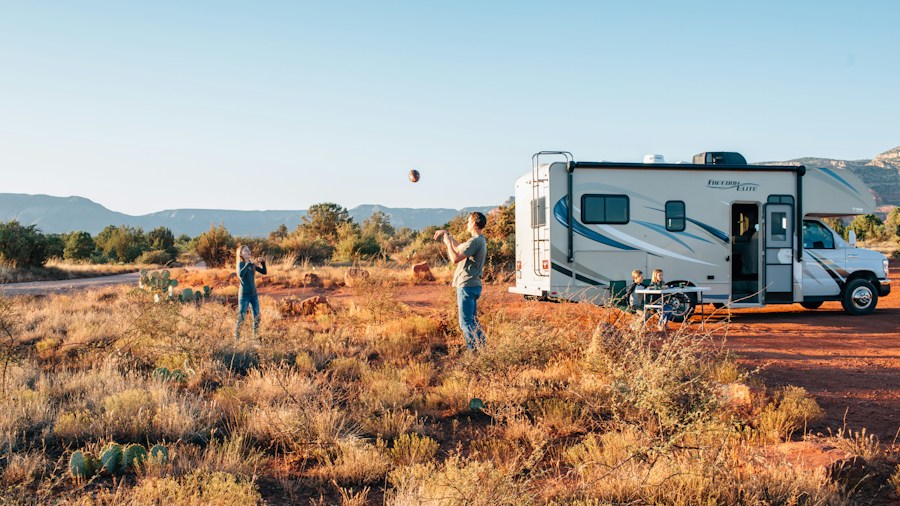
Most national park campgrounds use Recreation.gov or a park concessioner to handle bookings. A few parks operate their own reservation systems. On your reservation release date, sites can fill within minutes for popular parks during peak season. If you miss the opening window and want to check for availability, many parks release a small percentage of sites on a rolling basis, so checking back frequently can pay off. Industry professionals recognize that well-informed RV travelers make better purchasing and travel decisions, making research and planning essential components of trip success.
Save your confirmation number and reservation details immediately after booking, especially if you’re using a mobile app or website for first-come, first-served sites. Poor cell service is common in and around national parks, so having your information downloaded and accessible offline prevents stress at check-in.
Start Planning Now
Whether you’re booking six months ahead for a peak-season adventure or scrambling to find a last-minute spot, understanding your chosen park’s reservation rules puts you in control. Research your destination’s specific booking window, verify your RV fits the site and road network, and confirm the campground’s operating dates. With these details locked in, you can focus on enjoying the landscape, wildlife, and outdoor experiences that make national parks worth the planning effort.











Write Your Review
No reviews yet. Be the first to share your experience!