

When your vehicle’s anti-lock braking system (ABS) warning light flickers on, your first instinct might be to assume something is wrong with the tire itself. The reality is more nuanced. A malfunctioning wheel speed sensor or other wheel-related issues could be triggering that warning, but the culprit isn’t always obvious. Understanding what causes these warnings will help you avoid unnecessary repairs and keep your vehicle safer on the road.
1. Know the Difference Between Sensor Types and How They Work
Your vehicle uses one of two main types of wheel speed sensors to monitor rotation and feed critical data to your ABS system. Passive sensors generate an alternating current voltage that changes as your wheel spins faster or slower. Active sensors, which are more common in newer vehicles, produce a signal whose frequency shifts with wheel rotation. Both types must maintain a precise distance between the sensor and a reluctor ring or magnetic encoder ring to function properly. When this gap becomes too large or too small, the signal weakens, and your warning light activates.
2. Inspect Your Wheel Bearings Before Replacing Sensors

A worn wheel bearing hub is one of the most overlooked causes of wheel speed sensor trouble codes. When a hub bearing develops internal wear and play, the entire wheel assembly can shift slightly during rotation. This movement changes the air gap between your sensor and its encoder ring, distorting the signal your ABS system relies on to calculate accurate wheel speed. Many vehicle owners and even some technicians jump straight to replacing a sensor when the real problem lies in the bearing itself. Have a qualified technician inspect your wheel bearing and sensor gap before authorizing any sensor replacement.
3. Check Your Wiring and Electrical Connections
Signal degradation doesn’t always originate at the sensor. Corrosion, loose connectors, or damaged wiring between your sensor and the ABS control unit can reduce signal strength just as effectively as a worn bearing. Metallic debris from brake wear or tire degradation can also collect on passive sensor magnetic tips, adding resistance to the electrical circuit. During diagnosis, a technician should trace the entire wiring harness, clean any corroded connectors, and verify that all connections are tight and secure. This often costs far less than replacing components that aren’t actually faulty.
4. Understand the Diagnostic Trouble Codes Your Scanner Shows
When your ABS light comes on, a diagnostic scanner will pull specific trouble codes describing what the system detected. Codes are often labeled as ‘erratic,’ ‘performance,’ or ‘implausible’ readings. These descriptors suggest that the ABS hydraulic control unit received a signal that didn’t match expected wheel speed patterns, but they don’t pinpoint the exact cause. Modern vehicles with active sensors and built-in magnetic encoder rings in the hub seal are particularly sensitive to any change in the sensor-to-ring gap. Understanding what your code actually means helps you avoid replacing perfectly good components. Modern diagnostic tools and shop software can now help technicians accurately identify the root cause faster than ever before.
5. Request a Comprehensive Hub and Sensor Inspection
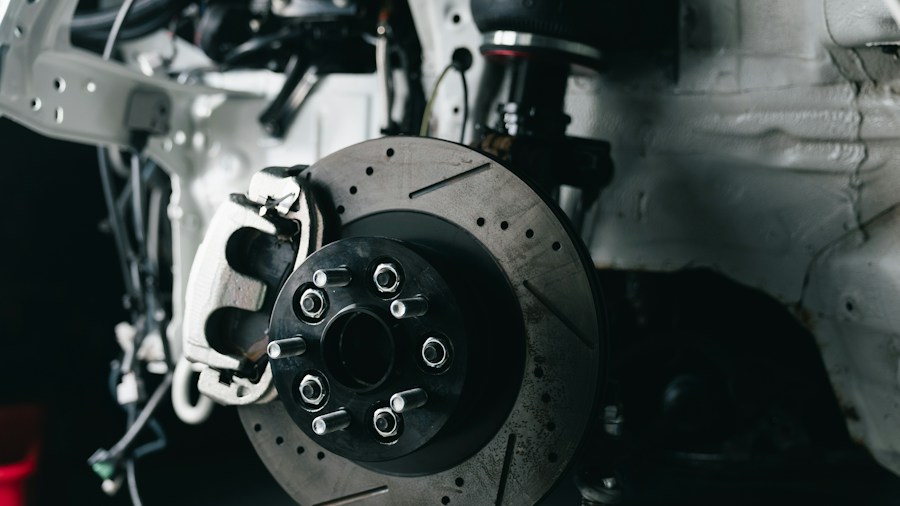
When you visit a tire shop or mechanic about an ABS warning light, insist on a thorough inspection that covers more than just the sensor itself. A complete diagnostic should include visual inspection of the hub bearing for excess play or runout, measurement of the air gap between sensor and reluctor ring, examination of all wiring and connectors, and verification of signal strength at the ABS module. This systematic approach prevents the common mistake of replacing a sensor only to discover the bearing was the real culprit. Reputable tire retailers and service centers now use advanced inspection hardware to pinpoint these issues accurately.
Why This Matters for Your Safety and Wallet
Your ABS system is a critical safety feature that prevents wheel lockup during hard braking, especially on slippery surfaces. A malfunctioning ABS system compromises this protection and can lead to longer stopping distances. Correctly diagnosing the root cause of your warning light ensures you fix the actual problem, not just the symptom. This saves money by avoiding unnecessary replacements and keeps your braking system working as designed. When in doubt, ask your technician to show you exactly what they found and explain why they’re recommending each repair. A thorough inspection now prevents costly comebacks and keeps you safe on the road.











Write Your Review
No reviews yet. Be the first to share your experience!