

Retired EV Batteries Get a Second Life in New Commercial Energy Storage
Electric vehicle batteries don’t stop being useful the moment they leave a car. Moment Energy has introduced a new commercial energy storage solution called Nova that transforms aged EV batteries into stationary power systems for businesses and industrial sites across North America. This development represents a major shift in how the industry approaches battery lifecycle management and grid stability.
What the Nova Battery Storage System Does
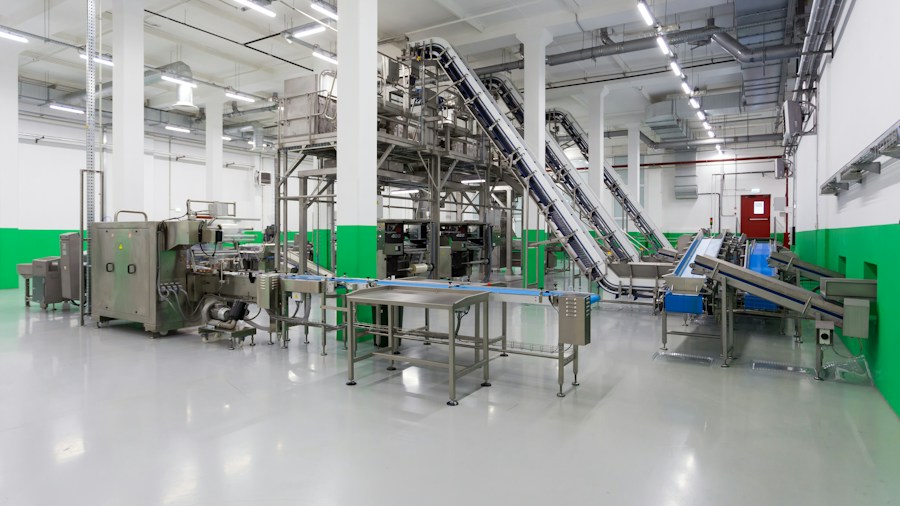
The Nova unit is a 500 kilowatt-hour energy storage system housed in a compact footprint of 9.7 by 5.9 feet. Each unit can deliver 200 kilowatts of power and operates reliably in temperatures ranging from negative 13 degrees Fahrenheit to 122 degrees Fahrenheit. Multiple units can be linked together for larger projects spanning tens of megawatt-hours, making Nova adaptable to different business needs and site constraints.
Businesses can use Nova to store power when grid electricity rates are low or when onsite solar panels generate more energy than currently needed. When electricity demand spikes or the grid experiences an outage, the stored power becomes available on demand. This flexibility helps companies reduce energy costs, improve reliability, and manage their carbon footprint more effectively.
Smart Battery Management Keeps Systems Running Longer
What sets Nova apart is its approach to battery aging. Rather than requiring complete system replacement when batteries degrade, Moment Energy’s proprietary software tracks the performance of each individual battery pack in real time. When a pack reaches the end of its useful service life, the company can swap it out while leaving the rest of the infrastructure in place. This modular design means a Nova installation could remain operational for more than 20 years, with only the battery cells replaced as needed.
The system accommodates batteries from different EV manufacturers, even when those packs have aged at different rates due to their previous driving conditions and usage patterns. This flexibility eliminates the need to find perfectly matched battery packs, making second-life battery deployment more practical and cost effective. Similar innovations in EV battery durability across temperature ranges show the industry is focused on maximizing battery performance in diverse environments.
Safety Certifications and Regulatory Approval
Moment Energy reports that Nova is the first commercial battery storage system built from retired EV batteries to earn both UL 1973 certification for individual battery units and UL 9540 certification for the complete integrated system. The system was also tested under UL 9540A standards, which specifically evaluate fire propagation behavior in battery systems. The manufacturing facility itself holds UL 1974 certification, which covers assessment and grading protocols for used batteries intended for reuse.
These certifications matter because they give business buyers confidence that the system meets rigorous safety and performance standards. Additionally, an independent review determined that Nova meets US federal sourcing requirements tied to the clean electricity investment tax credit, potentially qualifying projects for federal tax incentives.
Production and Availability Timeline
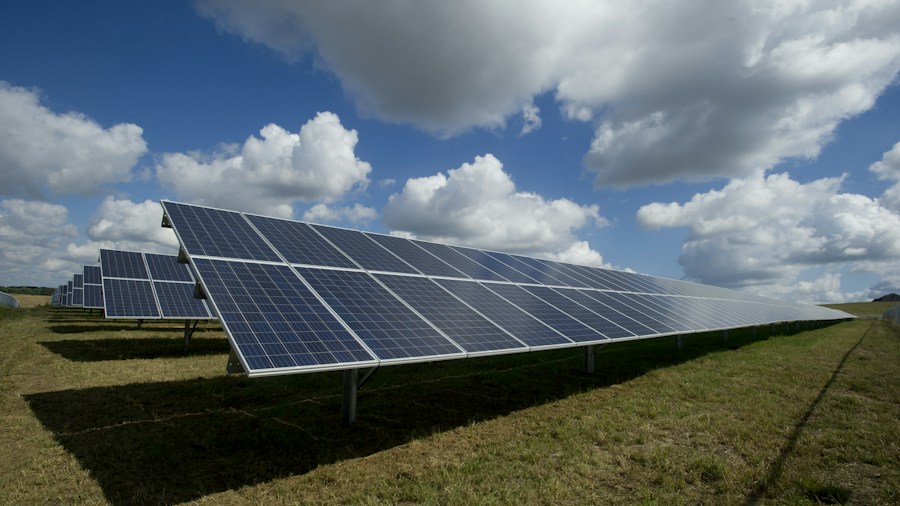
Nova entered production at Megafactory 1, Moment Energy’s battery repurposing facility in the Vancouver area that began operations in June. The company unveiled Nova at the RE+ conference in Las Vegas and opened order books for North American deployment. First shipments are expected to begin in the first quarter of 2027.
Moment Energy positions Nova as infrastructure for powering manufacturing facilities, onshoring supply chains, and reinforcing an aging electrical grid. As EV battery technology advances globally, second-life applications like Nova will become increasingly important for capturing residual battery value and reducing waste.
What This Means for Business Shoppers
For companies evaluating energy storage options, Nova offers a compelling combination of competitive pricing, proven reliability through certification, and long-term cost savings through modular battery replacement. The outdoor-rated design with liquid cooling and environmental monitoring reduces installation complexity at many sites. Eligibility for federal tax credits could reduce the effective cost of a Nova installation substantially, depending on your project’s specifications and location.
The launch signals that recycled EV batteries are transitioning from an experimental aftermarket into a mainstream commercial infrastructure component. Businesses that act now may position themselves to benefit from this emerging market while also supporting a circular economy approach to battery materials and energy resources.











Write Your Review
No reviews yet. Be the first to share your experience!