

An RV oven that refuses to light can derail meal plans fast. Whether you’re trying to bake biscuits at a campsite or warm up dinner after a day of exploring, a malfunctioning oven creates real frustration. The good news: many lighting issues stem from simple problems you can diagnose yourself before calling for service. Understanding what happens during the lighting attempt helps you identify the exact trouble spot and communicate clearly with a technician if needed.
Start With the Basics
Before you troubleshoot anything, make certain you smell no propane and your RV’s propane alarm hasn’t sounded. If either condition exists, evacuate everyone from the vehicle immediately, avoid using electrical switches or phones indoors, and contact your propane supplier or fire department from a safe distance.
Assuming safety is confirmed, check these fundamentals first:
- Confirm you have propane and the supply valve is open. If your RV uses dual cylinders, verify the selected tank has fuel.
- Test your stovetop burners. If they light normally, propane is reaching your range successfully.
- Review your oven’s lighting instructions for the correct control position and how long to hold the knob. These details vary significantly by model.
- Check ignition power if applicable. Battery-powered igniters need fresh batteries; electric igniters require confirmed power availability.
- Remove stored items and debris around the burner area, ensuring all vents and air openings remain clear.
Routine maintenance prevents many problems before they start. Keeping your RV systems maintained ensures your oven performs reliably during your camping trips.
The Pilot Won’t Light at All
If you can’t produce a pilot flame despite following proper lighting procedures, start by locating the pilot opening itself. On manually lit models, this small opening sits separate from the main burner and requires a long-reach lighter to ignite. Make sure your lighter actually reaches the pilot area and produces a steady flame.
Check your lighter’s condition too. A nearly empty lighter or one that won’t hold a flame makes the job unnecessarily difficult. After storage or a propane supply interruption, air trapped in the lines can delay ignition, so pause between attempts rather than holding the gas control continuously open.
If the pilot still won’t ignite, the pilot orifice may be blocked or an ignition fault may exist. These issues require professional inspection and repair.
The Pilot Ignites but Won’t Stay Lit
Your pilot catches beautifully, then disappears the moment you release the knob. Before assuming the thermocouple has failed, verify you’re following the procedure correctly:
- Hold the knob pressed for the full specified time, allowing the thermocouple to warm completely. Releasing too soon extinguishes the flame prematurely.
- Confirm the knob presses in fully without catching or binding. If resistance occurs, the gas control may not engage properly.
- Observe the pilot flame if visible. A weak, flickering flame that doesn’t reach the thermocouple indicates an underlying issue worth documenting.
When the pilot persists in going out despite correct lighting technique, either the thermocouple or gas control needs attention from a qualified technician.
The Pilot Burns but the Main Burner Won’t Light
Some RV ovens feature a dedicated PILOT setting that keeps the small flame burning without heating the oven for baking. Confirm you’ve rotated the control beyond this position to your desired baking temperature. Industry advances in RV appliance design continue improving reliability, but understanding your specific model’s controls matters.
Once you’ve selected a temperature, watch for the main burner to ignite. A pilot flame alone won’t bring your oven to baking temperature. If the main burner fails to light, turn the oven completely OFF. Never attempt to light the main burner directly with a handheld lighter, as this bypasses safety mechanisms.
At this stage, the problem likely involves a gas pressure issue, a restriction in the line, or a faulty oven control, all of which require professional diagnosis.
When Spark Ignition Fails
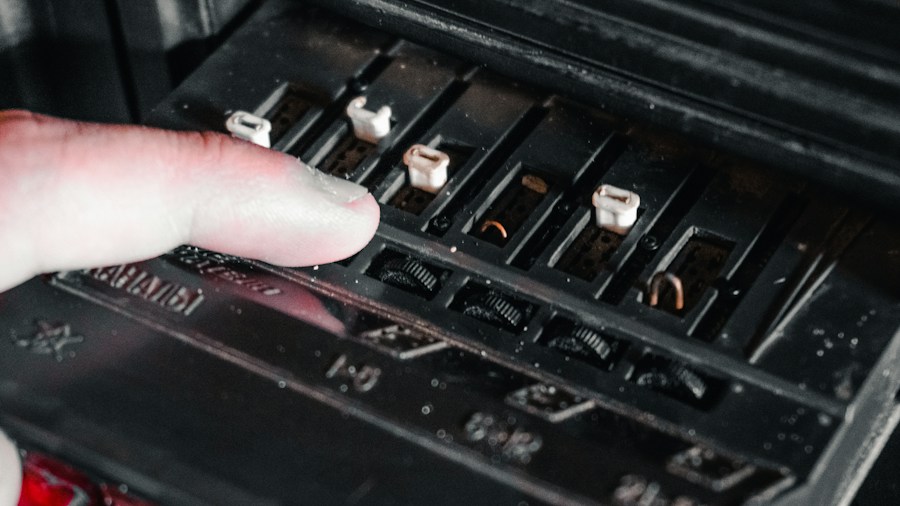
If your oven normally uses spark ignition but produces no spark, the solution depends on your ignition type. Battery-powered igniters respond to fresh batteries of the correct type, installed in the proper direction. Mechanical piezo igniters create spark through mechanical action without requiring batteries, so a battery swap won’t help.
When battery replacement doesn’t restore spark, the electrode or its wiring may need inspection rather than repeated lighting attempts that could damage components further.
When to Bring in a Professional
Schedule service immediately if basic checks haven’t resolved your issue, especially when you observe repeated pilot or burner failures during cooking, weak or unstable flames, soot accumulation, sticky controls, or damaged tubing. Leave your oven off until a qualified RV propane technician addresses the problem. Gas pressure testing, line work, and repairs to safety components demand professional expertise.
Having your oven’s brand, model, serial number, and a clear description of what happens during lighting attempts readily available speeds up service calls significantly. The difference between











Write Your Review
No reviews yet. Be the first to share your experience!