

When temperatures drop and snow starts to fall, a pickup truck that seemed perfectly fine in mild weather can quickly reveal hidden problems. The combination of cold, ice, and wet road conditions demands serious preparation. Unlike passenger cars, pickup trucks face unique winter challenges, especially when carrying cargo or driving in remote areas. A thorough winter inspection now can prevent breakdowns, accidents, and expensive repairs later.
1. Inspect Tires and Check Pressure Regularly
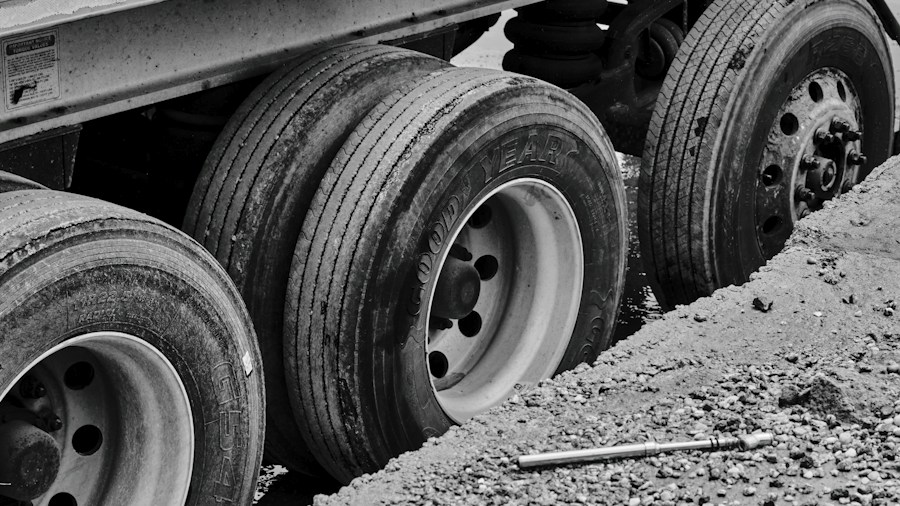
Your tires are the foundation of winter safety, and their condition directly determines how your pickup truck handles on slippery surfaces. Start by measuring tread depth and looking for uneven wear patterns, cracks, or damage to the sidewalls. A tire that feels acceptable on dry summer pavement may become dangerously unpredictable once snow and ice appear. Do not assume your current tires are adequate for winter driving.
Tire pressure drops as the mercury falls, so check and adjust your pressures during the cold season. Always inflate to the manufacturer’s recommended pressure found on the driver’s door jamb, not the maximum number printed on the tire sidewall itself. This detail matters significantly in cold weather. Also inspect your spare tire, which can lose pressure silently while sitting unused under the bed.
2. Test Your Battery Before Winter Arrives
Cold weather is brutal on batteries, particularly those that are several years old. If your engine cranks slowly, you have recently needed a jump start, or you are uncertain about the battery’s age, have it tested by a professional before the first freeze. A battery may perform normally in mild conditions but struggle badly when temperatures plummet. Examine the battery terminals for corrosion and loose connections, which can cause starting issues even if the battery itself is still good.
3. Verify Coolant, Oil, and Fluid Levels
Check that your coolant level is correct and that the antifreeze blend matches the lowest temperatures you expect. Engine oil becomes even more critical in winter, so use the viscosity your manufacturer specifies. Cold conditions make starting harder, and the right oil directly impacts reliability in freezing weather. Review your brake fluid, transmission fluid, and other maintenance items as well. All of these liquids affect winter performance.
4. Test Your Four-Wheel Drive System
If your truck has four-wheel drive, engage the system and confirm it shifts between modes smoothly before snow falls. Many owners spend most of the year in two-wheel drive and forget how the controls work or when to use each setting. Four-wheel drive systems vary considerably between manufacturers. Some trucks use part-time systems with distinct 2WD, high-range, and low-range settings for different road conditions. Review your owner’s manual if you are unfamiliar with your specific setup.
5. Have Your Brakes Inspected Thoroughly
Snow and ice reduce your truck’s stopping ability, leaving no room for brake system failures. If you hear squealing or grinding, feel vibration when braking, notice the pedal pulling to one side, or sense any change in pedal feel, have the system inspected immediately. Do not wait until winter to address brake pads and rotors that are nearing their limits. Winter driving demands maximum braking confidence.
6. Replace Wiper Blades and Check Visibility Systems
Winter driving brings darkness, road spray, slush, and windshields that become dirty seconds after cleaning. Replace wiper blades that streak, chatter, or miss sections of glass. Consider winter-specific blades designed to stay flexible in freezing temperatures. Fill your washer reservoir with winter-rated fluid, and verify that all nozzles spray effectively. Test your headlights, brake lights, turn signals, and fog lights, cleaning the lenses to remove grime that reduces output. Check both front and rear defrosters, and replace a clogged cabin air filter if needed to maintain airflow.
7. Protect Your Frame and Underbody from Road Salt
Road salt is particularly harsh on pickup trucks because so much frame, suspension hardware, and underbody components are exposed to spray. Wash your truck regularly during winter to remove salt before it corrodes metal surfaces. Pay close attention to wheel wells, frame rails, suspension parts, and the underside of the bed. If you plan to keep your truck for many years, investigate professional corrosion protection treatments for long-term preservation.
8. Consider Ballast Weight for Rear Traction
An empty pickup bed behaves very differently from one carrying cargo. Without rear weight, less load sits on the rear axle, making rear-wheel-drive trucks more prone to sliding on snow or ice. Some owners add secured ballast to the bed during winter months. If you do this, keep weight within your truck’s payload limits and ensure it cannot shift during hard braking. Remember that more weight is not necessarily better, as it changes acceleration, braking, and handling characteristics. Quality tires remain far more important than simply loading the bed with extra weight.
9. Identify and Check Recovery Equipment
A truck that sees winter snow should carry at least basic recovery gear. Before snow arrives, locate the factory recovery or tow points on your vehicle in your driveway, not while stuck in a snowbank. Keep a recovery strap, work gloves, small shovel, and traction boards accessible. If your truck has integrated tow hooks, inspect them to confirm they are functional and reachable. Secure any recovery equipment so it cannot move around during driving.
10. Build a Winter Emergency Kit

Even a well-maintained pickup truck can be delayed by severe weather. Assemble a basic kit containing an ice scraper, warm gloves, blanket, flashlight, phone charger or power bank, and jumper cables or a portable jump pack. If you frequently drive rural or mountain roads, add water, basic food, extra clothing, and supplies for extended delays. Store your kit where you can reach it easily during an emergency.
11. Prepare Your Trailer for Winter Towing
If you tow during winter, preparing your truck is only half the job. Inspect trailer tires, brakes, lights, wiring, coupler, and safety chains before any winter trip. Snow and ice make heavy truck-and-trailer combinations much less forgiving, so increase your following distance and avoid abrupt steering or throttle changes. When conditions are questionable, postponing the trip is often the wisest choice. Articles like hybrid pickup towing capacity insights can help you understand your specific truck’s capabilities year-round.
Winterizing your pickup truck is fundamentally about solving predictable problems before harsh weather exposes them. Good tires, a strong battery, correct fluids, reliable brakes, functioning four-wheel drive, and clear visibility cover the essentials. The human operator remains the most important piece of winter equipment. Slow your pace, increase following distance, and drive according to the traction you actually have.











Write Your Review
No reviews yet. Be the first to share your experience!