

Why Adhesive Wheel Weights Matter
Adhesive wheel weights have become increasingly popular among drivers and tire professionals because they offer a clean, sleek appearance compared to traditional clip-on weights. When installed correctly, they stay securely fastened and maintain your tire’s balance without visible hardware. However, the adhesive bonding process requires attention to detail. Taking shortcuts during installation can lead to weights coming loose, which creates vibration, uneven tire wear, and potential safety issues.
Tip 1: Prepare Your Wheel Surface Thoroughly
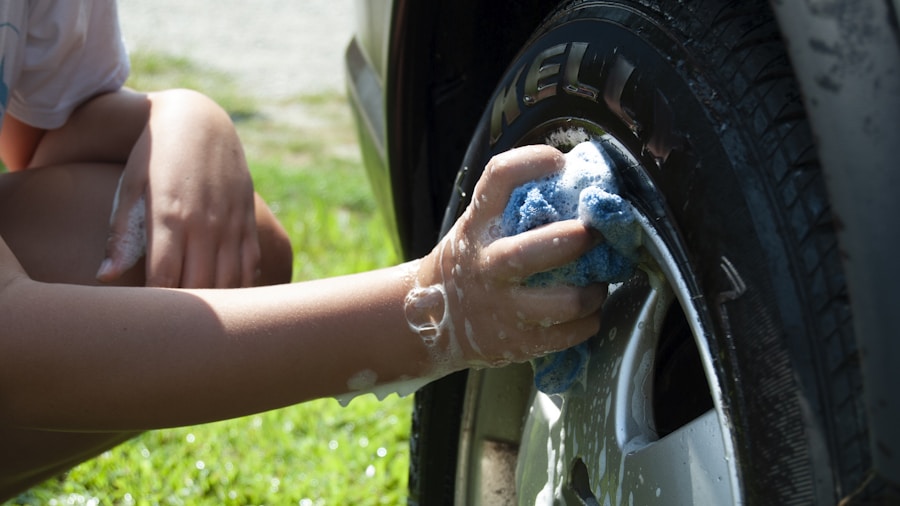
Surface preparation is the foundation of successful adhesive weight installation. Before you apply any weight, clean the wheel with alcohol or a dedicated wheel cleaner. This step removes grease, silicone residue, brake dust, and other contaminants that prevent the adhesive from bonding properly. Use a lint-free cloth and allow the surface to dry completely. Even small amounts of contamination can compromise adhesion, so take your time here. Your attention to this preliminary step will directly influence how long your weights stay in place.
Tip 2: Use a Wheel Balancer to Locate the Exact Position
Never guess where a weight should go. Position the tire on a quality wheel balancer to identify the precise location where the weight needs to be applied. The balancer shows you exactly how much weight and where it must be placed for optimal balance. This precision is what separates a professional installation from a DIY mistake. Mark the spot clearly before you proceed.
Tip 3: Handle the Adhesive with Care
Once you are ready to apply the weight, avoid touching the adhesive backing at all costs. Skin oils and moisture compromise the bonding strength. When you peel away the backing, do so carefully and place the weight immediately on the marked location. If you accidentally touch the adhesive, clean it with alcohol and apply a fresh weight instead.
Tip 4: Apply Even Pressure from Center Outward
Press the weight onto the wheel using consistent, even pressure starting from the center and working toward the outer edges. This technique pushes out air bubbles and ensures full contact between the adhesive and the wheel surface. Uneven pressure leaves gaps where moisture and contaminants can seep in, weakening the bond over time. Spend 20 seconds applying steady pressure to achieve maximum adhesion.
Tip 5: Allow Adequate Curing Time
The adhesive requires 24 to 72 hours to fully cure and reach its maximum bonding strength. During this window, the weight is vulnerable to movement or separation. Plan your tire installation accordingly, and inform customers about the curing period. Mark vehicles with a note reminding drivers to avoid aggressive driving, rapid acceleration, or hard braking until the adhesive has completely set.
Tip 6: Drive Carefully After Installation
Once you install adhesive weights, resist the urge to drive aggressively. Sudden acceleration, hard cornering, and rough road conditions place stress on the freshly bonded weights. Smooth, normal driving allows the adhesive to bond without unnecessary stress. This is especially important during the first 48 hours after installation. Customers who follow this guidance experience significantly fewer weight-adhesion problems down the road.
Tip 7: Monitor Your Tires Over Time
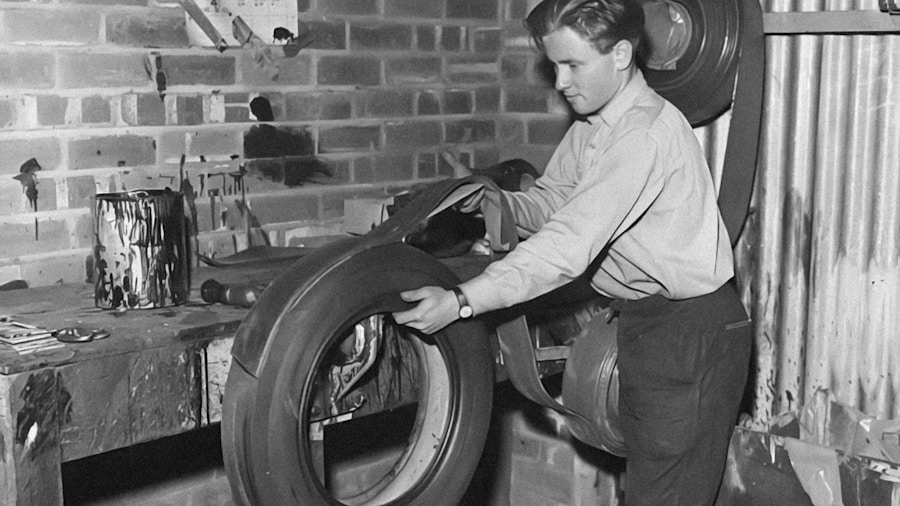
After installation, periodically inspect your tires and wheels for any signs of weight separation or loss. If you notice vibration developing weeks or months after installation, it may indicate that a weight has loosened. Early detection prevents further tire damage. Additionally, proper tire maintenance and regular balancing checks ensure that weights remain secure and your tire investment remains sound.
Professional Installation Pays Off
While adhesive weights offer a premium appearance, their success depends entirely on installation quality. Clean surfaces, precise positioning, careful adhesive handling, and proper curing time work together to keep weights firmly attached. If you are uncertain about any step, consult a professional tire technician. Quality tire care starts with proper installation fundamentals, and adhesive weights are no exception. Take the time to do the job right, and your wheels will look sharp and perform reliably for years to come. When industry professionals invest in quality products and proper technique, consumers benefit from better balance, longer tire life, and the confidence that comes with expert workmanship.










Write Your Review
No reviews yet. Be the first to share your experience!